人工智能项目

Search documents
Meta斥超百亿美元在美建大型数据中心
Huan Qiu Wang Zi Xun· 2026-02-12 03:46
Core Insights - Meta announced an investment of over $10 billion to build a data center park in Lebanon, Indiana, marking it as one of the largest AI infrastructure investments to date [1][3] - The new data center is expected to provide 1 gigawatt of power and will support both Meta's AI projects and core social media operations, covering an area of approximately 372,000 square meters [3] - The project is set to be operational by the end of 2027 or early 2028, and the investment will be completed over the coming years [3] Investment and Strategic Focus - Meta has prioritized AI as a key development strategy, significantly increasing investments in related infrastructure [3] - The CEO, Mark Zuckerberg, emphasized that robust AI infrastructure is essential for gaining a competitive edge in the AI sector [3] - Meta's capital expenditures for the year are projected to reach $135 billion, a record high, with AI infrastructure being a major focus area [3] Economic Impact - The Lebanon data center will be Meta's second project in Indiana, expected to create over 4,000 construction jobs during peak construction and provide 300 long-term jobs once operational [4] - Additionally, Meta plans to invest over $120 million in local infrastructure upgrades during the construction period [4]


摩根大通:我们在主经纪业务和外汇业务的人工智能项目正实现实实在在的收入增长。
Xin Lang Cai Jing· 2026-02-10 15:24
Core Insights - JPMorgan Chase is experiencing tangible revenue growth from its artificial intelligence projects in the prime brokerage and foreign exchange businesses [1] Group 1 - The company is leveraging artificial intelligence to enhance its prime brokerage services [1] - The foreign exchange business is also benefiting from AI initiatives, contributing to overall revenue increases [1]

马鞍山:探索建设“人才试验区” 推动毗邻地区人才高质量发展
Xin Lang Cai Jing· 2026-01-13 16:42
Core Viewpoint - Ma'anshan City is leveraging national development strategies to enhance its talent attraction and retention, achieving recognition as one of China's top cities for talent attraction and being awarded the title of the best city for talent recruitment in 2024 [1] Group 1: Talent Attraction Strategies - The city is actively addressing the talent siphoning effect from neighboring provincial capitals by integrating into the "dual-circle city" strategy, establishing a strategic foundation for building a "talent experimental zone" [1] - Ma'anshan has implemented a "1+7+16" talent promotion mechanism and introduced ten measures to support the construction of the "talent experimental zone," including high-level talent incentives and the creation of a science and technology talent corridor [1] Group 2: Talent Recruitment and Utilization - In the past two years, Ma'anshan has successfully attracted over 11,000 full-time talents and established 12 "talent (R&D) bases," along with 79 "master studios" for teachers and doctors, resulting in the flexible introduction of over 2,200 talents [1] - The city has initiated over 600 collaborative projects, demonstrating the effectiveness of its flexible talent recruitment approach [1] Group 3: Project Implementation and Innovation - The effectiveness of flexible talent recruitment is exemplified by the successful establishment of two artificial intelligence companies in collaboration with Nanjing University of Posts and Telecommunications, showcasing rapid project implementation and policy breakthroughs [2] - Ma'anshan is deepening reforms through various initiatives, including the "one test, three certificates" reform and the "talent sharing" mechanism, to enhance innovation and entrepreneurship [2] Group 4: Talent Development Ecosystem - The city is focused on optimizing the talent development ecosystem by enhancing service responsiveness and establishing a "talent reception hall" to address over 620 talent-related concerns [2] - Ma'anshan's approach emphasizes differentiated competition, self-cultivation, and institutional innovation as key components for creating an environment where everyone can realize their potential [2]
带着2大诉求,库克访华,美媒点名苹果和特斯拉:“中方很清楚,有能力痛击美企”
Sou Hu Cai Jing· 2025-10-16 03:00
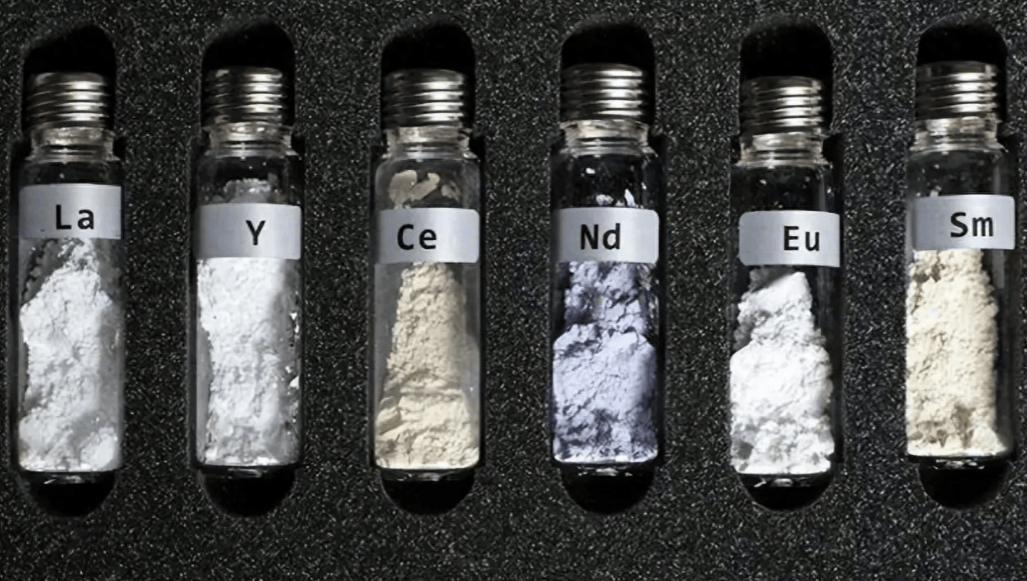
Core Insights - Tim Cook's visit to China aims to promote eSIM technology and enhance Apple's AI projects in the country, amidst rising tensions in US-China relations [1] - China's new rare earth export regulations are seen as a strategic move to assert its influence in the global market and protect its interests [1][3] - The US media expresses concern that these regulations may disrupt the supply chains of American companies like Apple and Tesla, potentially impacting their profitability in China [3][5] Group 1: Rare Earths and Technology - Rare earth metals are crucial for modern high-tech industries, affecting everything from smartphones to military products, making their control vital for economic and national security [3] - China dominates the global rare earth market, controlling the supply of seven key rare earth metals, while the US lacks refining capabilities in this area [3] - The shift in China's role to a "rare earth order manager" enhances its bargaining power in US-China relations, potentially affecting American companies' operations [3][5] Group 2: US-China Relations - The recent changes in China's rare earth policies may compel the US to reassess its approach towards China, especially in light of ongoing technological restrictions [5][6] - The strategic adjustments in the rare earth sector could provide new dimensions for future negotiations between the US and China, particularly on sensitive issues like Taiwan and the South China Sea [5][6] - The evolving dynamics in the rare earth market could lead to a recalibration of the current imbalance in US-China relations, with China leveraging its dominance to influence negotiations [5][6] Group 3: Future Implications - The implementation of new rare earth regulations marks a turning point in US-China relations, reflecting a sophisticated approach to international negotiations by China [6][7] - Companies like Apple need to understand China's strategic intentions and seek cooperation based on mutual benefits to navigate the complexities of US-China competition [6][7] - The trajectory of the global rare earth market will significantly impact both China's development and the technological supremacy of the US, making it a critical variable in future bilateral relations [7]