
众智FlagOS 1.6

Search documents
北京成为全球AI科研核心策源地
Xin Lang Cai Jing· 2026-01-08 16:57
Core Insights - Beijing has rapidly ascended to a leading position in the global AI landscape, with numerous prominent AI models such as Doubao, Kimi, and DeepSeek emerging from the city [1][4] - The city is recognized as the best entrepreneurial hub for tech companies due to its abundant high-end talent, research resources, and supportive government policies [2][8] Talent and Innovation - The concentration of talent in Beijing is a significant driver of innovation, with many AI professionals motivated by the vision of Artificial General Intelligence (AGI) [3][4] - The establishment of the Zhiyuan Artificial Intelligence Research Institute has positioned Beijing as a core training ground for AI innovators, contributing to the city's reputation as a hub for AI research [2][3] Research and Development - Beijing leads globally in AI research output, with 7,340.3 adjusted papers and an AI index of 402.59, significantly surpassing other cities like Hong Kong and the San Francisco Bay Area [4] - The city is home to a diverse range of AI companies, including those focused on multimodal and embodied intelligence, which are essential for advancing AI technologies [5][6] Ecosystem and Infrastructure - The AI ecosystem in Beijing is characterized by a collaborative environment that fosters innovation, with various AI innovation districts being developed to support this growth [8][9] - The Beijing government is actively promoting the establishment of AI innovation zones, aiming to create a comprehensive industrial ecosystem that encourages collaboration and technological advancement [8][9] Future Outlook - By 2025, Beijing's AI core industry is projected to reach a scale of 450 billion yuan, with over 2,500 companies expected to be established in the sector [6][10] - The city's commitment to AI development is seen as a reflection of China's broader goals for technological self-reliance and innovation, positioning Beijing as a key player in the global AI arena [10]
中国AI崛起,“根”在这里
Bei Ke Cai Jing· 2026-01-08 08:52
Core Insights - The "AI New Year First Meeting" was held in Beijing on January 5, focusing on the construction of the 2026 Beijing Artificial Intelligence Innovation High Ground [5][18] - Beijing has rapidly advanced its position in the global AI landscape, with numerous prominent AI models emerging from the city [4][8] - The city is recognized as a fertile ground for tech startups due to its talent pool, research resources, and supportive government policies [4][11][18] Group 1: AI Development and Innovation - The Beijing Academy of Artificial Intelligence officially released the "Zhongzhi FlagOS 1.6," a software stack aimed at solving compatibility issues for training large models across different AI chips [5] - Beijing's AI research output is significant, with 7,340.3 adjusted papers and an AI index of 402.59, placing it first globally [8] - The city has transformed from a "follower" to a core source of AI research and innovation [8] Group 2: Talent and Ecosystem - The concentration of high-end, interdisciplinary talent in Beijing is a key factor driving innovation in the AI sector [4][11] - The presence of major universities like Tsinghua University facilitates a strong academic atmosphere, fostering a culture of innovation among young researchers [6][11] - Companies in Beijing benefit from a well-established AI ecosystem that encourages collaboration and avoids isolated development [11][12] Group 3: Government Support and Policy - The Beijing government demonstrates a deep understanding of technological frontiers, providing strong support for long-term investments and early-stage startups [18][19] - The city is developing multiple innovation districts, including the Haidian Original Community, to enhance its AI industry landscape [18][20] - Beijing's development strategy emphasizes a "one committee, one industry, one area, one product" approach to foster AI integration across various sectors [19] Group 4: Industry Growth and Future Prospects - By 2025, Beijing's core AI industry is projected to reach a scale of 450 billion yuan, with over 2,500 companies established [16] - The city is expected to continue leading in AI innovation, contributing to various sectors such as healthcare, governance, and industry [22][23] - The narrative of Beijing's AI development reflects China's commitment to technological self-reliance and innovation [22][23]

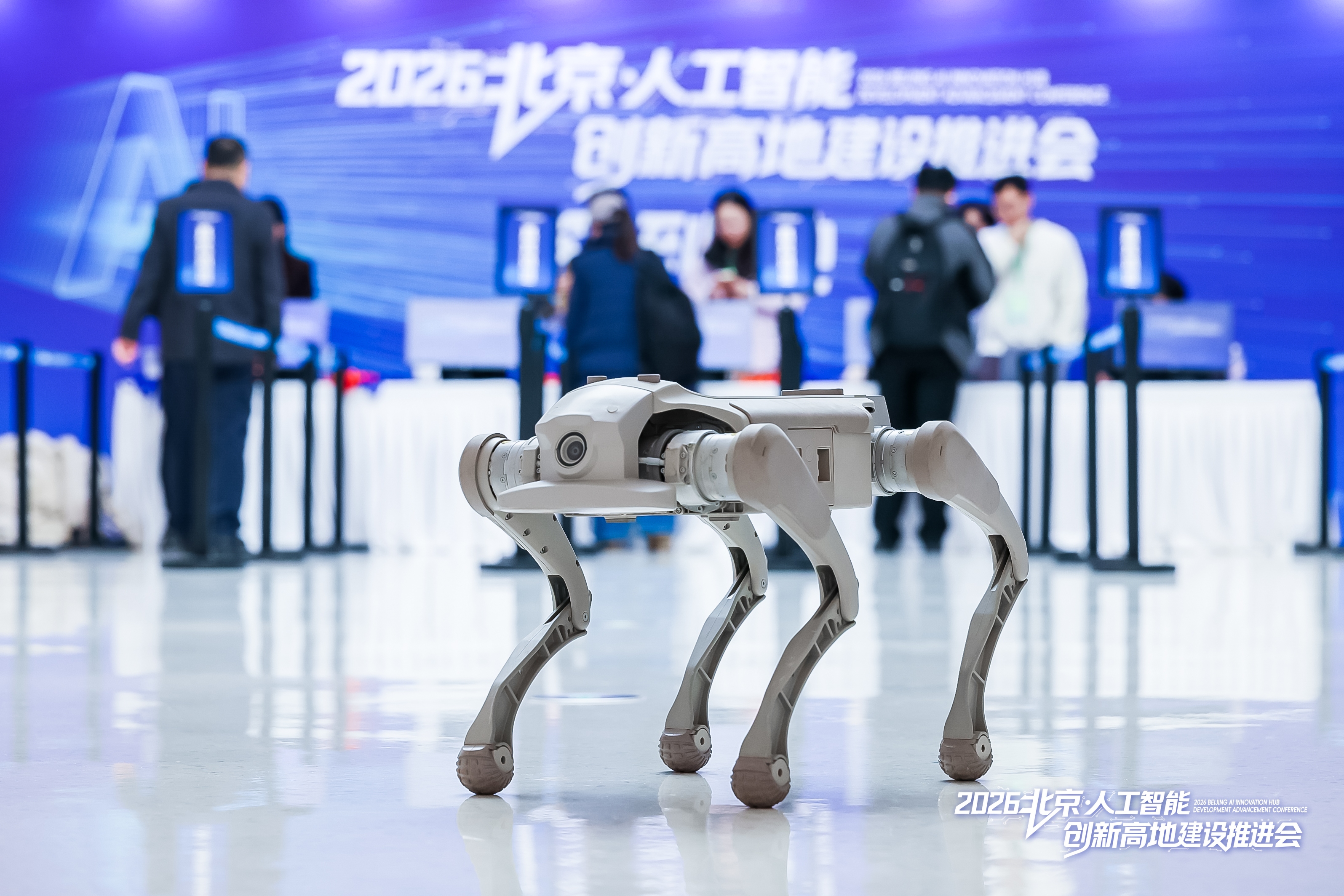
北京新年人工智能第一会 释放了什么信号?
Xin Jing Bao· 2026-01-05 23:48
Core Insights - Beijing is positioning itself as a global hub for artificial intelligence (AI) innovation, with a projected core industry scale of 4.5 trillion yuan by 2025, reflecting a year-on-year growth of 25.3% [3][5] - The city has over 2,500 AI companies and has registered 209 large models, accounting for nearly 30% of the national total [3][5] - The "Nine Major Actions" plan aims to enhance AI foundational theories and core technology capabilities significantly within two years, targeting the emergence of more original achievements and a competitive industry landscape [7][9] Industry Development - AI technology is deeply integrated into urban development in Beijing, transitioning from laboratory concepts to practical applications in various sectors such as healthcare, education, and transportation [4][9] - Major companies like Xiaomi and Altair are leveraging AI for industrial applications, enhancing efficiency and innovation in product design and quality control [2][4] - The city is home to nearly 60 listed AI companies and about 40 unicorns, showcasing its strong industrial cluster development [5][6] Talent and Ecosystem - Beijing boasts a significant talent pool, with 148 influential AI scholars and a total of 15,000 AI researchers, representing over 30% of the national total [4][5] - The city has established a robust ecosystem that includes two national laboratories, four new research institutions, and numerous educational programs in AI [4][5] - The favorable business environment and diverse application scenarios in Beijing provide a solid foundation for AI technology deployment and iteration [4][5] Future Directions - The focus on "scientific intelligence" aims to enhance AI's role in scientific discovery, with an emphasis on integrating AI with the physical world [9] - The goal is for embodied intelligence to serve as a partner to humans rather than a replacement, indicating a shift towards collaborative AI applications [9] - The city aims to surpass a core AI industry scale of 1 trillion yuan and establish a new form of intelligent economy within the next two years [9]
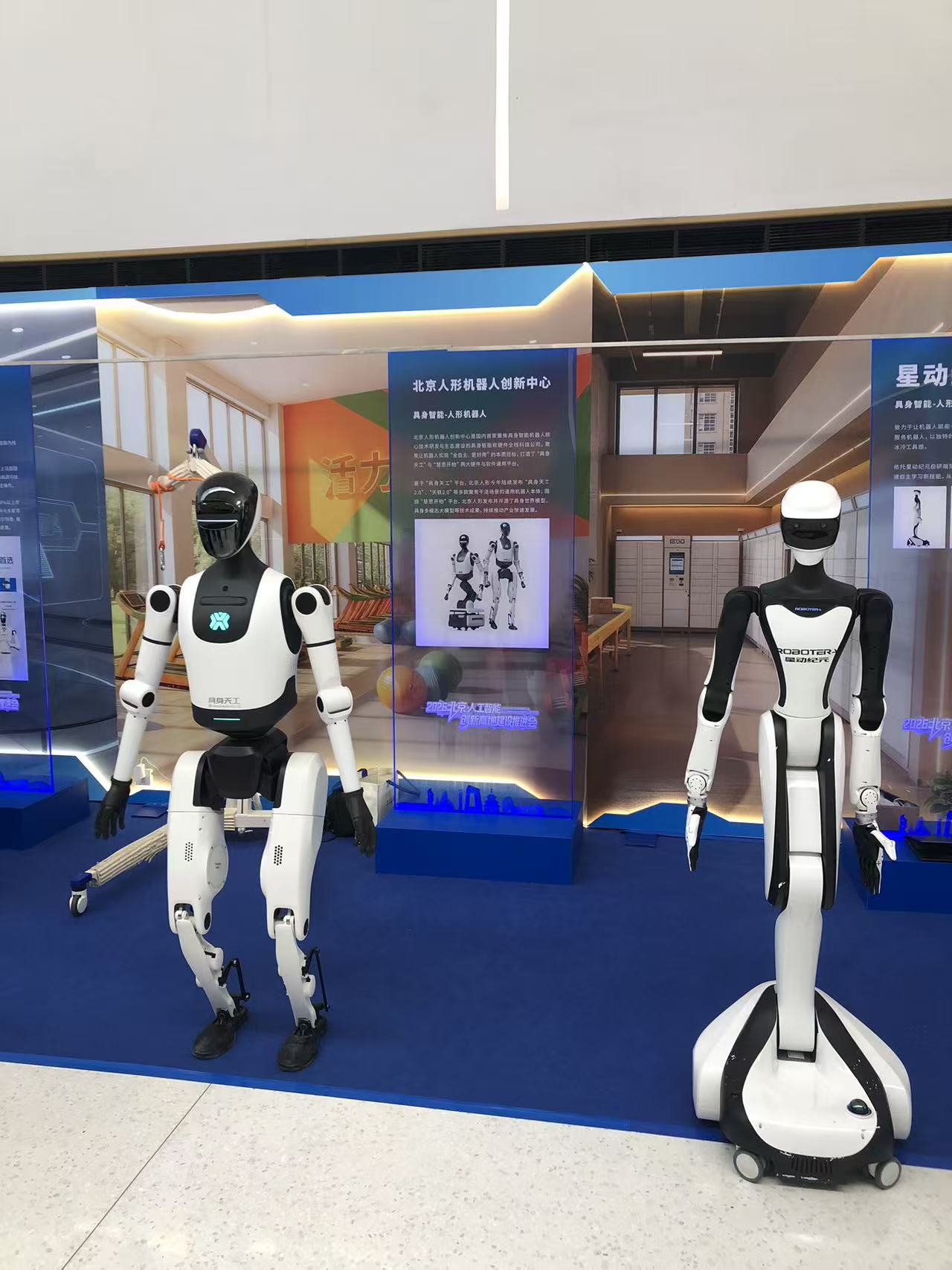
北京人工智能第一城“炼金术”
Bei Jing Shang Bao· 2026-01-05 15:10
Group 1 - The core viewpoint of the article highlights Beijing's rapid development as a leading hub for artificial intelligence (AI), showcasing significant advancements in AI technology, particularly in chip development and large model applications [1][2][3] - As of the first half of 2025, Beijing's AI core industry is projected to reach a scale of 215.2 billion yuan, with an expected annual growth rate of 25.3%, potentially reaching 450 billion yuan by the end of the year [1] - Beijing has established a "chip matrix" in the AI chip sector, featuring leading domestic products such as Kunlun, Cambricon, and Moore Threads, which are now integral to real business applications [3][8] Group 2 - The article emphasizes the importance of a cohesive ecosystem that integrates algorithms, chips, and data, enabling AI technologies to transition from laboratories to everyday applications [2] - The launch of the FlagOS 1.6 system software stack by Zhiyuan Research Institute aims to unify various AI chips and frameworks, addressing the compatibility challenges faced by large models [7][8] - Beijing is home to 209 registered large models, accounting for nearly 30% of the national total, with notable models like Doubao and Kimi being developed locally [9][10] Group 3 - The article discusses the innovative capabilities of Beijing's AI models, such as the GLM-4.7-flash, which enhances training efficiency while reducing resource consumption [10][11] - The MiniCPM-o 4.5 model, developed by Mianbi Intelligent, is highlighted for its unique features, including full-duplex and multimodal capabilities, showcasing advancements in human-computer interaction [12][13] - The "density law" of large models, which suggests that their capability density doubles approximately every 3.5 months, has been validated by recent research and is a key aspect of Beijing's AI development [13] Group 4 - Beijing plans to implement nine major actions to further establish itself as a global AI innovation hub, focusing on technology innovation, data quality, and application empowerment [14][19] - The RoboFinals platform, introduced by Guanglun Intelligent, represents a significant advancement in industrial-grade evaluation for embodied intelligence, creating a closed-loop system for data generation, model training, and capability assessment [18][19] - The article concludes by emphasizing the collaborative efforts of various stakeholders in Beijing's AI ecosystem, which have contributed to its sustainable growth and resilience [20]
北京新年人工智能第一会,释放了什么信号?
Bei Ke Cai Jing· 2026-01-05 15:00
Core Insights - Beijing is positioning itself as a global hub for artificial intelligence (AI), with a projected core industry scale of 450 billion yuan by 2025, reflecting a year-on-year growth of 25.3% [2][6] - The city has over 2,500 AI companies and has registered 209 large models, accounting for nearly 30% of the national total [2][3] - The "Nine Major Actions" plan was introduced to enhance AI innovation, focusing on technology, ecosystem, and application scenarios [2][6] Group 1: AI Integration and Applications - AI technologies are deeply integrated into various sectors, including healthcare, education, and transportation, with innovations like the Galaxy General G1 robot for smart medical retail and AI tools for creative industries [1][3] - Xiaomi's AI vision technology has significantly improved industrial efficiency, achieving detection rates that are dozens of times faster than manual inspections [1] - The introduction of AR smart glasses by Liangliang Vision aims to enhance communication and navigation for users with accessibility needs [1] Group 2: Talent and Ecosystem Advantages - Beijing boasts a strong talent pool, with 148 influential AI scholars and a total of 15,000 AI researchers, representing over 40% and 30% of the national figures, respectively [3][4] - The city has a favorable business environment and diverse application scenarios, which facilitate the implementation and iteration of AI technologies [4][5] - The presence of major AI companies and a robust industrial cluster underscores Beijing's competitive edge in the AI sector, with nearly 60 listed companies and around 40 unicorns [4][5] Group 3: Future Development Plans - The "Nine Major Actions" aim to significantly enhance AI foundational theories and core technologies within two years, targeting the emergence of more original achievements and leading global standards in scientific and embodied intelligence [6][7] - The goal is to establish a self-sufficient computing power system and create over 100 benchmark AI applications, alongside attracting 200 billion yuan in investment [6] - The vision includes a breakthrough in the AI core industry scale to over 1 trillion yuan, forming a new intelligent economic model [8]