低电导率冷却液

Search documents
德联集团(002666) - 002666德联集团投资者关系管理信息20251218
2025-12-18 12:50
Group 1: Investment and Production Progress - The company's targeted stock issuance project, "DeLian Automotive New Material Adhesive R&D and Manufacturing Project," was successfully completed and reached its intended operational status by September 30, 2025, with small-scale production starting in October 2025. This project will add 61,700 tons of adhesive production capacity, alleviating existing capacity constraints [1] - The company plans to steadily advance its production ramp-up plan, prioritizing supply to cooperative automotive enterprises and new energy vehicle clients, aiming for gradual mass delivery [1] Group 2: Business Expansion and Strategic Partnerships - The adhesive business is expanding beyond automotive manufacturing into the shipbuilding industry, with a partnership with South Korea's Unicon expected to yield LNG ship-specific adhesives, set to launch in Q1 2026 [2] - The company’s integrated platform offers comprehensive services, including R&D, procurement, production, and market development, which attracts international enterprises for localized production and supply [2] Group 3: Product Application and Market Diversification - The core liquid cooling product, characterized by low electrical conductivity and excellent insulation, has successfully penetrated new application areas, including energy storage, wind energy, and nuclear power, achieving large-scale deployment [2] - Key clients in the wind energy sector include Goldwind Technology and Vestas, while in the energy storage sector, partnerships have been established with Foxconn and others, demonstrating a robust supply chain across various industries [2] Group 4: Future Planning and Market Trends - The company aims to deepen upstream technical cooperation and enhance independent product R&D to increase market share, focusing on the trends in the Chinese automotive industry, particularly in new energy vehicles [3] - The strategy includes expanding product categories in the new energy sector and leveraging opportunities in energy conservation, lightweighting, and localization within the automotive industry to strengthen competitive advantages and ensure long-term stable growth [3]

10元每升的「致命」冷却液,让理想痛失20亿
3 6 Ke· 2025-11-07 11:49
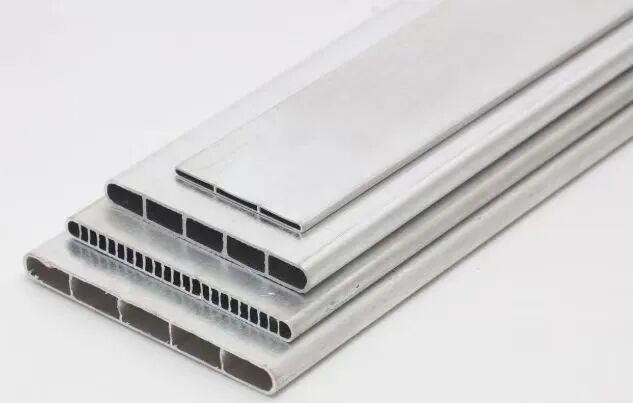
Core Viewpoint - The recall of 11,411 units of the Li Auto MEGA electric vehicle is expected to cost the company around 2 billion yuan due to a fire incident caused by inadequate corrosion resistance of the coolant used in the vehicle's cooling system [2][3]. Group 1: Incident Overview - A fire incident involving a Li Auto MEGA occurred in Shanghai, leading to significant consumer panic regarding electric vehicle safety [2]. - The company announced a recall for the 2024 MEGA models produced between February 18, 2024, and December 27, 2024, to replace the coolant and address potential battery overheating issues [2][3]. Group 2: Technical Details - The coolant used in the 2024 MEGA is a low-conductivity type, which was intended to meet insulation design requirements but has shown insufficient corrosion resistance compared to traditional coolants [3][7]. - The low-conductivity coolant is a newer solution, costing approximately 10 yuan per liter, and is designed to prevent issues like foaming and stratification that can occur with traditional coolants [8][9]. Group 3: Industry Implications - The incident raises concerns about the validation processes for coolant and cooling system components within the automotive industry, particularly for new energy vehicles [11][12]. - The rapid corrosion of the cooling plates in the MEGA, which typically should last over a decade, has prompted scrutiny of both the vehicle manufacturer and the battery supplier regarding their testing and validation protocols [10][16]. Group 4: Future Considerations - Following the incident, Li Auto has established a dedicated materials laboratory to enhance research in basic materials, fluids, and chemicals, indicating a shift in focus towards the underlying material science in automotive safety [23]. - Other companies using the same battery technology, such as Xiaomi Auto, are also conducting urgent reviews of their cooling systems to prevent similar issues [20].


理想万辆电车召回:10元单价冷却液引发的质量风暴
3 6 Ke· 2025-11-05 00:56
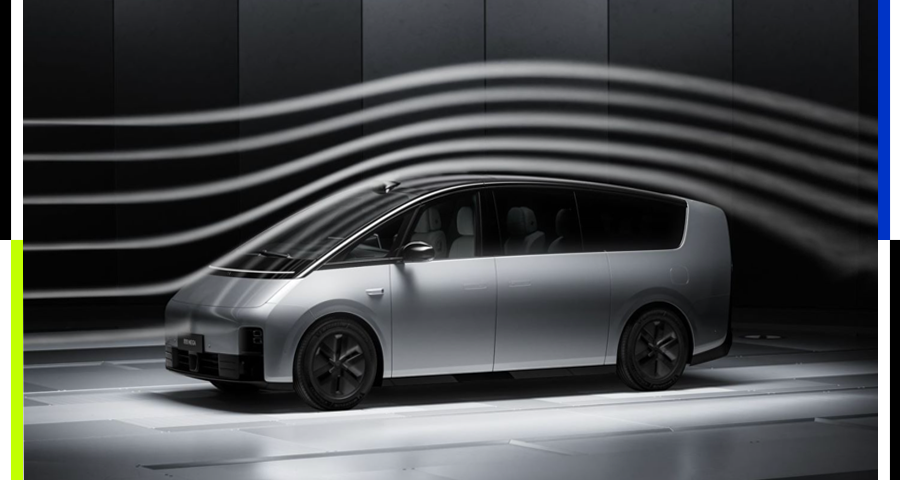
Core Viewpoint - The incident involving the Ideal MEGA electric vehicle, which caught fire due to a cooling liquid issue, has raised significant concerns in the industry and among consumers, leading to a recall of over 11,000 vehicles and an estimated cost of 2 billion yuan for the company [2][4][18]. Group 1: Incident Overview - On October 23, an Ideal MEGA electric vehicle caught fire in Shanghai after a malfunction related to its cooling system [1]. - The fire was attributed to insufficient corrosion resistance of the cooling liquid, which led to leakage and potential thermal runaway of the battery [2][3]. - Ideal announced a recall of 11,411 MEGA vehicles produced between February 18, 2024, and December 27, 2024, to replace the cooling liquid and affected components [2][3]. Group 2: Technical Details - The MEGA is Ideal's first pure electric model, launched in March 2024, priced at 550,000 yuan, featuring CATL's first-generation Kirin battery with ultra-fast charging capabilities [3]. - The cooling liquid used in the 2024 MEGA was a low-conductivity type, intended to meet insulation design requirements, but it failed to provide adequate corrosion resistance [3][9]. - The corrosion issue arose within just over a year of the vehicle's launch, which is unusual for such components that typically have a lifespan exceeding 15 years [13][18]. Group 3: Industry Implications - The incident has prompted other manufacturers, such as Xiaomi Automotive, to conduct urgent inspections of their cooling systems and battery structures [26]. - The industry is now questioning the verification processes for cooling liquids and the materials used in electric vehicle components, highlighting a potential oversight in testing protocols [15][17]. - The shift to low-conductivity cooling liquids, while aimed at improving safety, has revealed vulnerabilities that need to be addressed through more rigorous testing and validation [11][12][19].