低GI米粉

Search documents
食角新赏 | 盼盼、劲仔、美心生活较量“低GI”市场,品类认知教育仍待补齐
Cai Jing Wang· 2025-12-09 09:24
Core Insights - The rising health awareness is driving the demand for low GI (glycemic index) foods, expanding from niche markets to a broader audience [1] - Numerous companies are launching low GI products, indicating a growing trend in the food industry [1][3][4] Company Developments - Panpan Foods has expanded its low GI product line, recently announcing the launch of "low GI sugar-free monkey head mushroom ginseng biscuits" and other products [1] - Meixin Life has introduced "low GI golden peony red tea-flavored cookies" at Sam's Club, which have reduced sugar content by 50% compared to the original product [3] - Jinzhai Foods has launched "Zhou Xian Xian low GI bean curd," focusing on low GI offerings primarily in the bean product category [4] Market Trends - The interest in low GI foods has surged, with a 146% year-on-year increase in related social media content and a 200% rise in engagement [6] - Searches for low GI food and beverage products have increased by 56% over the past year, reflecting a significant uptick in consumer interest [6] - Major brands like Jinlongyu and COFCO are entering the low GI market with products such as low GI rice noodles and low GI grains [6] Consumer Insights - Consumers perceive low GI products as essential for health and wellness, often associating them with a lighter dietary burden [7] - The definition of low GI is clarified, with a GI value of ≤55 indicating slower digestion and stable blood sugar levels [7] - There is a caution against "pseudo low GI" products, emphasizing the need for proper certification and nutritional balance [7][8] Industry Challenges - The proliferation of low GI labeled products raises concerns about authenticity, with some brands lacking proper certification [8] - Consumers are encouraged to develop skills to discern genuine low GI products through authoritative labels and testing reports [8]


响应体重管理年!金龙鱼八赴进博,布局 “东方食养”
Guo Ji Jin Rong Bao· 2025-11-10 07:17
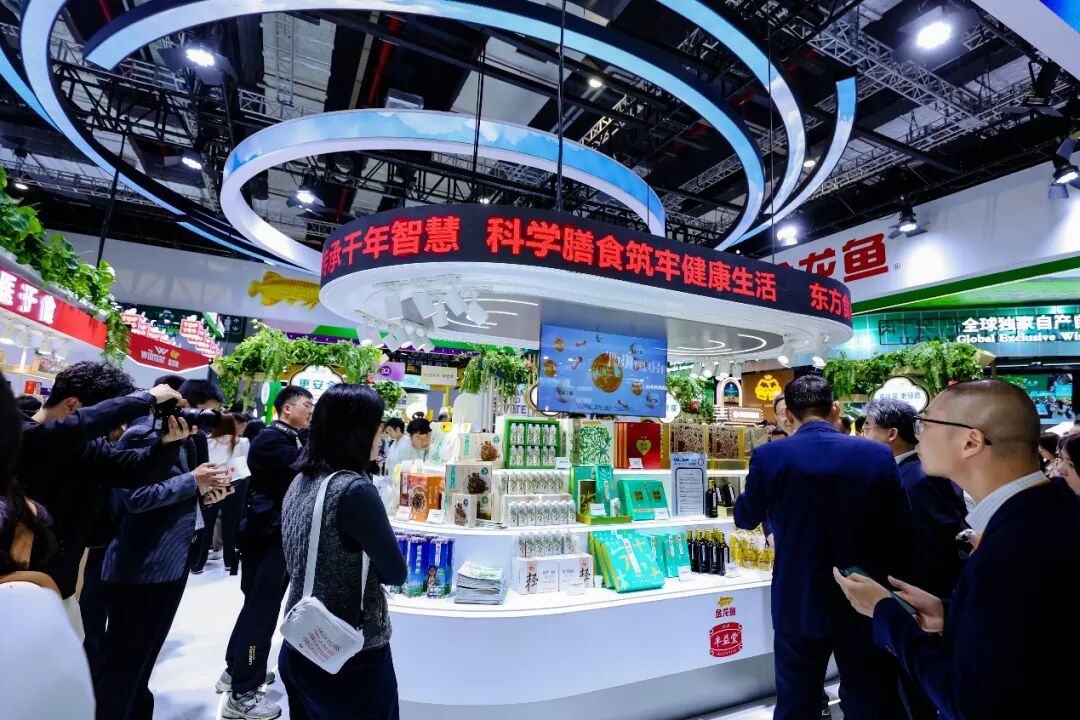
Core Insights - The article highlights the increasing consumer demand for health-oriented products, with Golden Dragon Fish showcasing its new health-focused offerings at the China International Import Expo [1][3][6] - The company aims to align with national health initiatives, particularly the "Healthy China 2030" plan, by introducing products that cater to specific dietary needs [3][6] Product Offerings - Golden Dragon Fish presented a range of health products including plant sterol soy milk, low GI rice flour, and instant wheat germ, targeting consumers with specific health concerns such as obesity and diabetes [3][4] - The products are designed to meet the needs of various demographics, including those with high cholesterol and blood sugar management requirements [4][6] Strategic Partnerships - During the expo, Golden Dragon Fish secured partnerships with companies like Qilu Pharmaceutical and Tmall Supermarket, with a total signed amount exceeding $11 billion [6] - The company is responding to a significant market need, with over 400 million overweight individuals and more than 300 million cardiovascular patients in China [6] Market Potential - The health industry in China is projected to reach a market size of 13.4 trillion yuan by 2025, further increasing to 29.1 trillion yuan by 2030 [6] Food Safety Commitment - Golden Dragon Fish emphasizes food safety as a foundational principle, ensuring that its products meet stringent quality standards, including compliance with EU regulations [7][9] - The company is committed to enhancing nutritional value while minimizing artificial additives in its products [9] Technological Innovation - The company has established an AI technology application team to enhance operational efficiency across its supply chain, from procurement to sales [10][13] - Golden Dragon Fish is implementing a rice circular economy model, maximizing the value of rice by-products, which could significantly reduce the pressure on oil imports [13] Strategic Transformation - The company's participation in the expo reflects its strategic shift from a grain and oil giant to a leader in the health industry, leveraging its full industry chain advantages and continuous technological innovation [13]