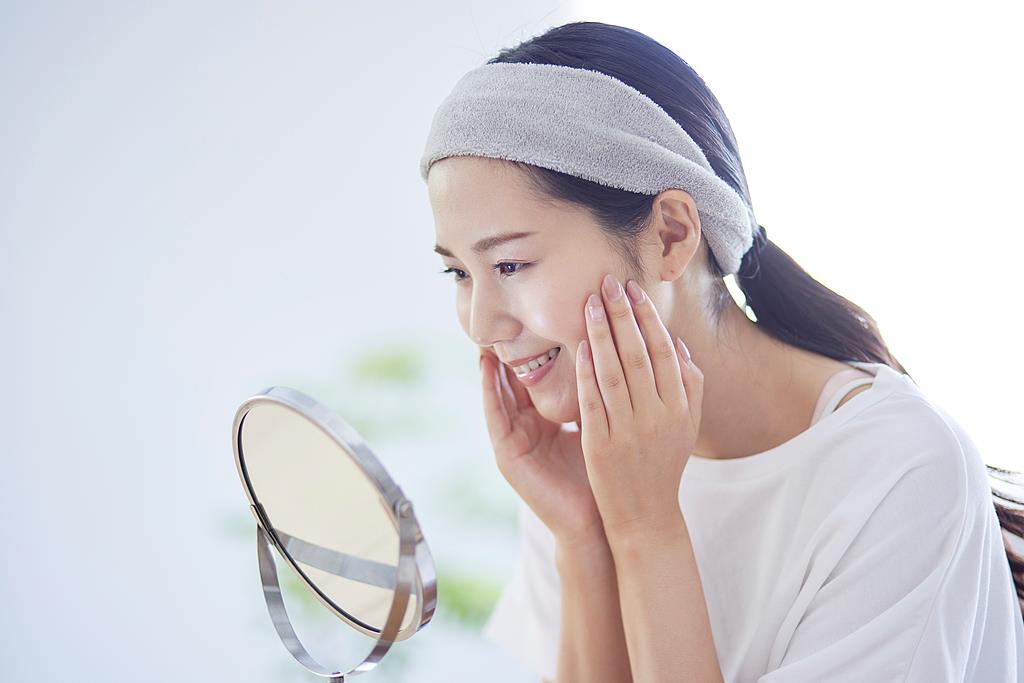
保湿产品

Search documents
粤小伙罹皮肤病赴济求医涂平妙手施治本月再坐诊
Xin Lang Cai Jing· 2026-01-13 16:42
Core Insights - The article highlights the successful consultation of Professor Tu Ping, a renowned dermatologist from Peking University First Hospital, who provided specialized treatment for difficult skin diseases in Jinan, attracting patients from various regions [1][2]. Group 1: Patient Case Study - A 23-year-old patient, Mr. Li, traveled from Guangdong to seek help for severe skin issues that had persisted for six months, significantly affecting his quality of life [1]. - Mr. Li experienced adverse effects from isotretinoin treatment, leading to symptoms such as nasal bleeding, facial redness, and persistent dryness, which worsened after stopping the medication [1][2]. - After a thorough examination, Professor Tu diagnosed Mr. Li with atopic dermatitis and created a personalized treatment plan that combined Western and traditional Chinese medicine [2]. Group 2: Consultation Outcomes - During the consultation, Professor Tu treated over 40 patients, successfully diagnosing and formulating individualized treatment plans for various rare skin conditions, including lymphocytic infiltration and mycosis fungoides [2]. - The detailed consultations and tailored treatment strategies provided hope to many families struggling with skin diseases [2]. Group 3: Future Engagements - Professor Tu is scheduled to return to Jinan for another consultation on January 27, 2026, allowing more patients to seek his expertise [3].
网上爆火的“以油养肤” 真的有用吗
Xin Lang Cai Jing· 2025-12-30 13:56
Core Viewpoint - The article discusses the concept of "oil-based skincare" and its effectiveness, emphasizing the importance of understanding the types of oils suitable for skin care and the need for a comprehensive moisturizing strategy rather than relying solely on oils [1][8]. Group 1: Understanding "Oil" in Skincare - The term "oil" in skincare refers to specific types of oils, not cooking oils like lard or canola oil, which are unsuitable for skin application [1]. - Common skincare oils include plant oils (e.g., coconut oil, jojoba oil) that are rich in fatty acids and help moisturize the skin [4]. - Mineral oils, such as dimethicone, provide moisturizing and skin conditioning effects by forming a protective barrier on the skin [5]. Group 2: Mechanism of "Oil-Based Skincare" - The principle behind "oil-based skincare" is that human skin contains natural lipids, and applying additional oils can help restore the lipid layer, preventing moisture loss and dryness [7][8]. - However, relying solely on oils for hydration is insufficient; a balanced approach considering skin type and environmental factors is necessary [8]. Group 3: Selecting Moisturizing Products - A good moisturizing product should not only contain oils but also effectively provide hydration and maintain skin softness and health [8]. - Key tips for selecting moisturizing products include understanding skin type, checking ingredient lists, considering seasonal changes, evaluating brand reputation, and assessing personal experience with the product [9][10][11][12][13]. Group 4: Key Ingredients for Moisturization - Effective moisturizing ingredients include hyaluronic acid, glycerin, ceramides, and plant oils, which help retain moisture and restore the skin barrier [15]. - Ingredients to avoid, especially for sensitive skin, include excessive fragrances, alcohol, and irritating chemicals [10].

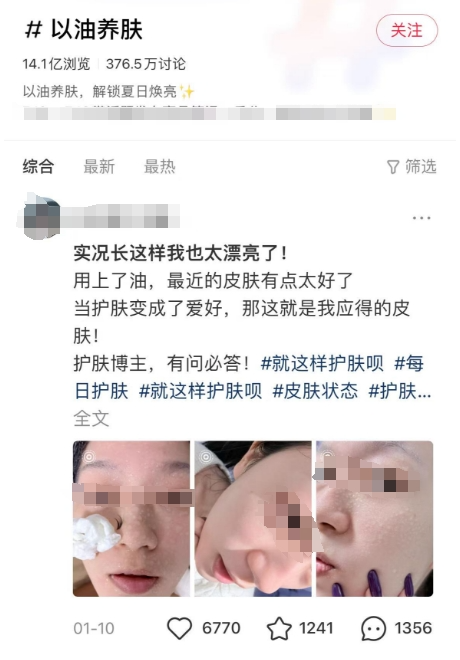
网上爆火的“以油养肤”,真有用还是“智商税”?
Xin Lang Cai Jing· 2025-12-30 10:51
Core Viewpoint - The article discusses the concept of "oil-based skincare" and its effectiveness, emphasizing that while certain oils can be beneficial, they should not be relied upon solely for hydration and must be used in conjunction with other moisturizing ingredients [1][12]. Group 1: Understanding "Oil" in Skincare - The term "oil" in skincare refers to specific types of oils, primarily plant oils (like coconut oil and jojoba oil) and mineral oils (like dimethicone), which can help moisturize and protect the skin [3][5]. - Some oils, such as olive oil, may actually harm the skin barrier due to their fatty acid structure [3]. Group 2: Mechanism of "Oil-Based Skincare" - The skin naturally contains lipid substances that help maintain its barrier; using additional oils can help restore this lipid layer, preventing moisture loss and dryness [7]. - However, oils alone do not provide hydration as they do not contain water, and relying solely on them can lead to continued dryness, especially in arid conditions [9]. Group 3: Limitations of Using Oils - Excessive use of oils can exacerbate acne and other skin issues, as they may promote the growth of acne-causing bacteria [10]. - Some oils may not be easily absorbed by the skin, leading to a greasy feeling without providing adequate moisture [11]. - Oils primarily create a barrier to prevent moisture loss but do not offer additional benefits like hydration or repair [11]. Group 4: Selecting Moisturizing Products - Effective moisturizing products should focus on providing sufficient hydration and preventing moisture loss, rather than just containing oils [14]. - Key ingredients to look for in moisturizers include hyaluronic acid, glycerin, ceramides, and plant oils, which can enhance hydration and skin barrier function [18][20][21][22]. Group 5: Tailoring Moisturizers to Skin Type - Different skin types require specific formulations: dry skin benefits from rich, hydrating products; oily skin should opt for lighter formulations; and sensitive skin needs gentle, low-irritant products [14][15][16]. - Seasonal and climatic conditions should also influence product choice, with heavier creams preferred in dry seasons and lighter lotions in humid conditions [24]. Group 6: Importance of Brand and User Experience - Choosing reputable brands with clinical validation can provide assurance of product efficacy [26]. - Personal experience and feedback from similar skin types are crucial in determining the effectiveness of a moisturizer [27].
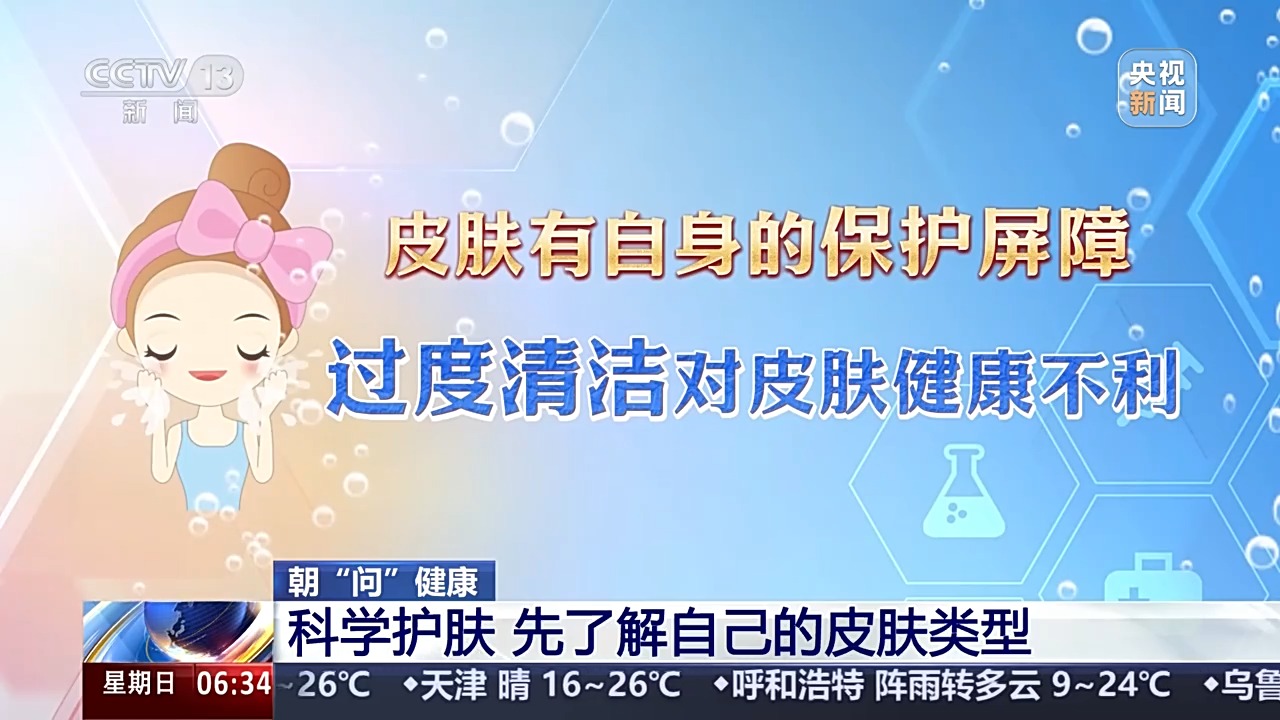
如何判断自己是干皮还是油皮?超详细的科学护肤教程来了
Yang Shi Xin Wen· 2025-05-25 02:24
Group 1: Skin Types and Identification - Healthy skin is categorized into four types: oily, normal, dry, and combination, with most adults over 25 having either oily, dry, or combination skin [2][3] - To identify skin type, a gentle cleanser is used, followed by observation after 1-2 hours: oily skin shows shine, dry skin feels tight and may flake, and combination skin has an oily T-zone but dry cheeks [3][5] Group 2: Cleansing and Moisturizing Recommendations - Oily and combination skin can be cleansed twice daily, while normal and dry skin should cleanse once at night and use water in the morning, adjusting frequency in summer [5] - For moisturizing, oily and combination skin should use lightweight products to avoid clogged pores, while normal and dry skin should adjust products based on the season [5] Group 3: Sunscreen Selection and Usage - Different skin types require specific sunscreen choices: oily skin benefits from chemical sunscreens, while dry and sensitive skin should opt for physical sunscreens [7] - Sunscreen should be applied at least 15 minutes before sun exposure and reapplied every two hours during high activity [8] Group 4: Special Considerations for Vulnerable Groups - Special populations such as the elderly, pregnant women, and sensitive skin individuals should prioritize physical sun protection methods and use less irritating sunscreens [10] - Infants under six months should avoid sunscreen, relying on physical shade, while those over six months can use baby-specific sunscreens [10] Group 5: Misconceptions about Moisturizing Masks - The effectiveness of moisturizing masks is limited as they primarily hydrate the skin's surface and do not significantly enhance hydration [11][12] - Increased mask usage is recommended post-light therapy treatments, with a preference for medical-grade masks that are free from fragrances and preservatives [14]