修丽可胶原针

Search documents
——化妆品医美行业周报20251214:11月化妆品淘系略承压,胶原医美赛道再添两员-20251214
Shenwan Hongyuan Securities· 2025-12-14 11:20
Investment Rating - The report indicates a weak performance in the cosmetics and medical beauty sector, with the Shenwan Beauty Care Index declining by 1.6% from December 5 to December 12, 2025, underperforming the market [3][4]. Core Insights - The cosmetics sector faced pressure in November, with overall GMV in the Taobao system showing weakness due to the pre-promotion of the Double 11 sales event and the rise of Douyin as a sales channel. Brands like Han Shu and Lin Qingxuan maintained stable GMV, while others like Feicui continued to grow significantly [3][9]. - The collagen medical beauty segment is expanding, with two new animal-derived collagen products approved for market entry, expected to drive growth in this area [3][9]. - The report highlights the leading market share of Minoxidil products from Mandi International in the hair loss treatment market, with a steady revenue growth from 982 million yuan in 2022 to approximately 1.455 billion yuan in 2024, reflecting a CAGR of 21.7% from 2022 to 2024 [10][11]. - L'Oréal's acquisition of an additional 10% stake in Galderma, raising its total ownership to 20%, signifies a strategic shift towards the medical beauty and skin health sectors, aiming to adapt to the slowing growth in the Chinese beauty market [3][18]. Summary by Sections Industry Performance - The Shenwan Beauty Care Index and its sub-indices for cosmetics and personal care products have shown declines of 1.2% and 1.7%, respectively, indicating underperformance compared to the Shenwan A Index [4][6]. Key Market Developments - The overall GMV for cosmetics in November was weak, influenced by earlier sales spikes in October and competition from Douyin [9]. - The approval of new collagen products is expected to enhance the supply side of the medical beauty market, with projections for continued expansion in 2026 [9][22]. Company Highlights - Mandi International has maintained a dominant position in the Minoxidil market, with its products accounting for approximately 57% and 71% of the market share in the hair loss treatment and Minoxidil categories, respectively, as of 2024 [11][13]. - The report notes that the Chinese consumer healthcare market is projected to grow from 931.3 billion yuan in 2018 to 16.42 trillion yuan by 2024, with significant growth in hair health and skin health segments [12][13].
欧莱雅的进击
Xin Lang Cai Jing· 2025-12-09 15:50
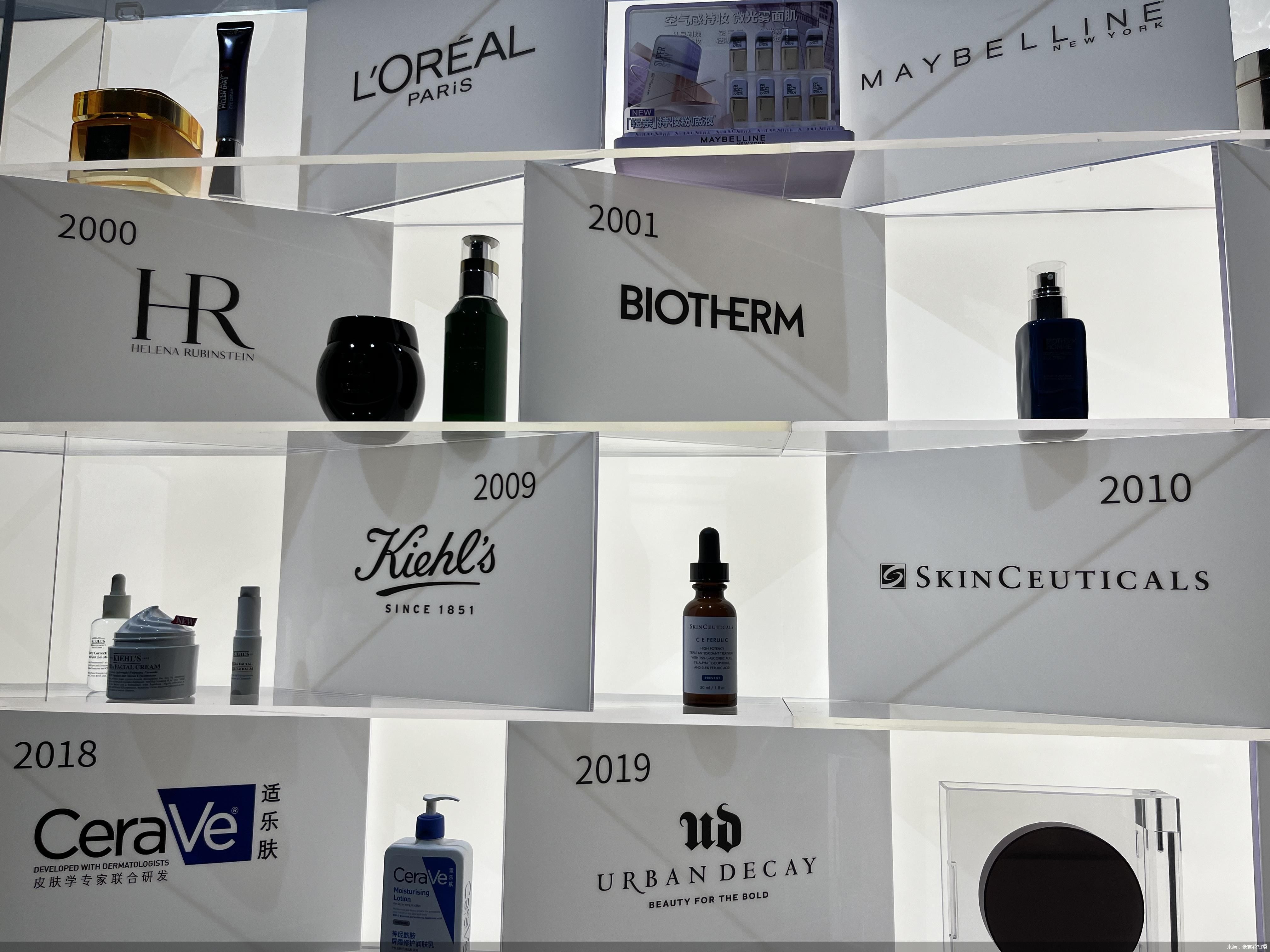
Core Viewpoint - L'Oréal is actively expanding its market presence through acquisitions and investments, particularly in the medical aesthetics sector, in response to slowing growth in its core business [1][9]. Group 1: Acquisition and Investment Strategy - L'Oréal has acquired an additional 10% stake in Galderma, increasing its ownership to 20%, following an initial investment in 2024 [2]. - The acquisition aligns with L'Oréal's strategy to enhance its presence in the medical aesthetics market, which includes products like injectables and skincare treatments [2][3]. - L'Oréal's CEO emphasized the importance of the aesthetics business as a key extension of its core beauty operations, indicating a strong commitment to this market [2]. Group 2: Market Context and Performance - L'Oréal's sales for the first three quarters of the year reached €32.8 billion, reflecting a growth rate of approximately 1.2%, a significant decline from the previous year's 6% [9]. - The company reported a sales decline of 1.1% in the North Asia market for the first half of 2025, highlighting challenges in this key region [9]. - Overall, L'Oréal's growth has slowed, with a projected annual sales increase of only 5.1% for 2024, compared to much higher growth rates in previous years [9]. Group 3: Broader Market Trends - L'Oréal is not only focusing on the medical aesthetics sector but is also building a comprehensive beauty ecosystem that includes luxury, mass-market, skincare, and haircare products [5]. - The company has established a long-term strategic partnership with Kering Group, involving a €4 billion acquisition of several luxury beauty brands [6]. - Recent investments in domestic beauty brands, such as a stake in Naturals and LAN, indicate L'Oréal's strategy to tap into the growing potential of the Chinese beauty market [6].
欧莱雅的“进击”
Bei Jing Shang Bao· 2025-12-09 13:12
Core Viewpoint - L'Oréal is actively expanding its market presence through acquisitions and investments, particularly focusing on the medical aesthetics sector, in response to slowing growth in its core beauty business [2][9]. Group 1: Acquisitions and Investments - L'Oréal has acquired an additional 10% stake in Galderma, increasing its ownership to 20%, following an initial investment in 2024 [3]. - The company recently invested €4 billion to acquire beauty licenses for several luxury brands from Kering Group, including Creed and others, with a total agreement value of €40 billion [6]. - L'Oréal has also invested in domestic skincare brands, including a stake in Naturals and a minority investment in LAN [6]. Group 2: Medical Aesthetics Focus - The acquisition of Galderma is seen as a strategic move to enhance L'Oréal's presence in the medical aesthetics market, which includes skincare and aesthetic treatments [4]. - Galderma's product offerings, such as Restylane and Sculptra, have gained regulatory approval in China, indicating a strong market potential [3]. - L'Oréal's CEO emphasized the importance of the aesthetics business as a key extension of their core beauty operations, aiming to deepen collaboration with Galderma [3]. Group 3: Financial Performance - L'Oréal's sales for the first three quarters of the year reached €32.8 billion, reflecting a growth rate of approximately 1.2%, a decline from the previous year's 6% [9]. - The company's sales in the North Asia market, including China, saw a decline of 1.1% to €5.39 billion in the first half of 2025 [9]. - Overall, L'Oréal's projected sales growth for 2024 is 5.1%, significantly lower than the growth rates of 18.5% and 7.6% in 2022 and 2023, respectively [9].

第12次登上IMCAS大会,修丽可何以成为双美“灯塔”?
FBeauty未来迹· 2025-07-13 11:08
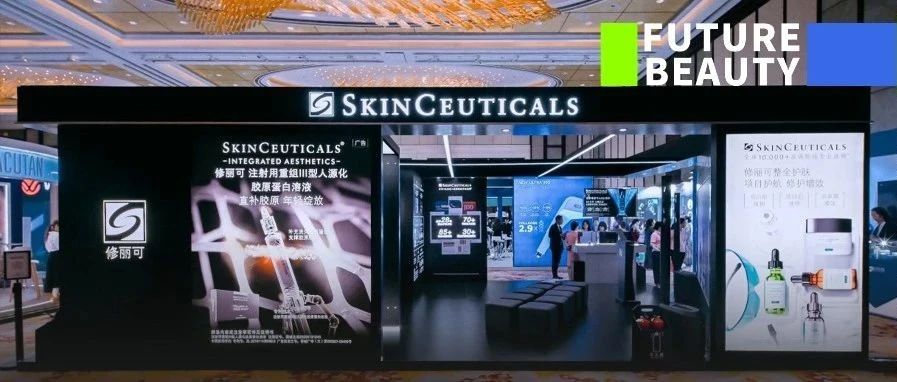
Core Viewpoint - The Chinese medical beauty market is rapidly expanding, with a market size of 217.9 billion yuan in 2021, projected to exceed 1 trillion yuan by 2030. The "perioperative skincare" segment is gaining traction, attracting over 20 beauty companies to enter the field [2]. Group 1: Market Expansion and Trends - The "perioperative skincare" segment is a professional blue ocean attracting major beauty brands, with international giants and emerging brands competing for growth [2]. - The concept of "holistic skincare" was first introduced by SkinCeuticals in China in 2012, establishing a scientific system and comprehensive product matrix in the perioperative skincare field [4]. Group 2: Academic Leadership and Events - SkinCeuticals has been invited to the IMCAS conference for 12 consecutive years, showcasing its academic strength and industry leadership through various dimensions [3]. - The IMCAS conference featured a satellite meeting led by Professor Xiang Lei Hong from Fudan University, discussing global trends in medical beauty and advancements in holistic skincare [6]. Group 3: Holistic Skincare Development - SkinCeuticals has established a mature "dual beauty" concept system under the holistic skincare philosophy, setting standardized guidelines for the industry [8]. - The brand emphasizes the synergy between effective skincare products and medical beauty projects, supported by clinical research and global case studies [9]. Group 4: Innovations and Product Launches - SkinCeuticals is expanding the holistic skincare concept into holistic aesthetics with the launch of the "SkinCeuticals Collagen Injection," the only human-derived collagen solution certified as a Class III medical device in China [15]. - The introduction of the A.G.E. serum, featuring 30% progerin solution and five patented anti-glycation technologies, highlights the brand's commitment to advanced anti-aging solutions [23]. Group 5: Industry Challenges and Solutions - The medical beauty industry faces challenges such as excessive marketing and misinformation, which can lead to safety risks for consumers [19]. - A roundtable forum was held to discuss the core needs of consumers and explore solutions to industry pain points, emphasizing a return to scientific principles in anti-aging practices [21].
资生堂求解医美赛道
Bei Jing Shang Bao· 2025-04-01 13:05
Core Viewpoint - Shiseido has launched its first medical beauty brand, RQPYOLOGY, marking its entry into the medical aesthetics market amid declining performance over recent years. The company aims to leverage the growing market potential, but faces competition from established players like L'Oréal and Estée Lauder [1][3]. Group 1: Brand Launch and Product Information - RQPYOLOGY is positioned as a high-end medical beauty brand that integrates skin care with medical aesthetics, targeting consumers seeking professional beauty results and premium experiences [3]. - The brand has successfully registered two products: RQPYOLOGY Brightening Essence and RQPYOLOGY Sunscreen, and plans to collaborate with medical clinics and hospitals in China for product development [3][4]. Group 2: Market Context and Strategic Moves - Shiseido's management has expressed intentions to enter the medical aesthetics market, supported by investments and collaborations, including partnerships with domestic medical technology firms and research institutions [4]. - The medical aesthetics market is projected to grow significantly, with estimates suggesting an increase from 99.3 billion yuan in 2017 to 638.2 billion yuan by 2030, indicating a high growth rate and potential for high-margin opportunities [7]. Group 3: Financial Performance and Challenges - Shiseido has faced declining sales, with net sales of 990.6 billion yen in 2024, a 1.8% increase, but a core operating profit decrease of 35 billion yen, and a net loss of 108 billion yen [5]. - The company has experienced a downward trend in performance over the past few years, with net sales dropping by 8.8% in 2023 and a significant decline in operating profit and net profit [5]. Group 4: Competitive Landscape - Major beauty brands like L'Oréal and Estée Lauder are also expanding into the medical aesthetics sector, indicating a trend among beauty companies to seek higher value and profit margins in this area [7][8]. - The medical aesthetics market requires a higher level of professionalism and involves medical-grade systems, presenting challenges for beauty companies that primarily operate in brand and channel management [9].