倍斯特嘉槟

Search documents
KKR入主,大窑汽水创始人退出
Guo Ji Jin Rong Bao· 2025-12-23 12:20
Core Viewpoint - The recent management changes at Dayao Beverage, a rising player in the domestic soda market, signify a critical shift in control as KKR deepens its involvement in the company through both equity and management layers [2][3]. Group 1: Management Changes - Dayao Beverage has undergone significant leadership changes, with founder Wang Qingdong stepping down from key positions, including legal representative and chairman [1][2]. - The new chairman and financial officer, Dai Cheng, is seen as a key figure from KKR, bringing experience in post-investment management and corporate integration [2][3]. - Following these changes, only three executives remain at Dayao, indicating a substantial shift in the company's governance structure [3]. Group 2: KKR's Investment Strategy - KKR has been actively investing in the Chinese consumer sector since 2007, with a portfolio that includes notable brands like Mengniu and others, suggesting a strategic focus on enhancing Dayao's operational capabilities [5]. - The acquisition of an 85% stake in Dayao's parent company, Yuanjing International, allows KKR to exert control over the beverage company [2][3]. Group 3: Market Dynamics - Dayao's competitive edge lies in its strong presence in the restaurant channel, which accounts for over 85% of its sales, but the market is becoming increasingly competitive with new entrants [5][6]. - The carbonated beverage market is experiencing stagnation, with ready-to-drink tea surpassing carbonated drinks as the leading category, indicating a need for Dayao to innovate and diversify its product offerings [6]. - New product launches by Dayao, such as prebiotic juice soda and birch juice soda, aim to create a second growth curve amidst a challenging market environment [6].


中国汽水,集体变成大窑味?
3 6 Ke· 2025-07-11 07:58
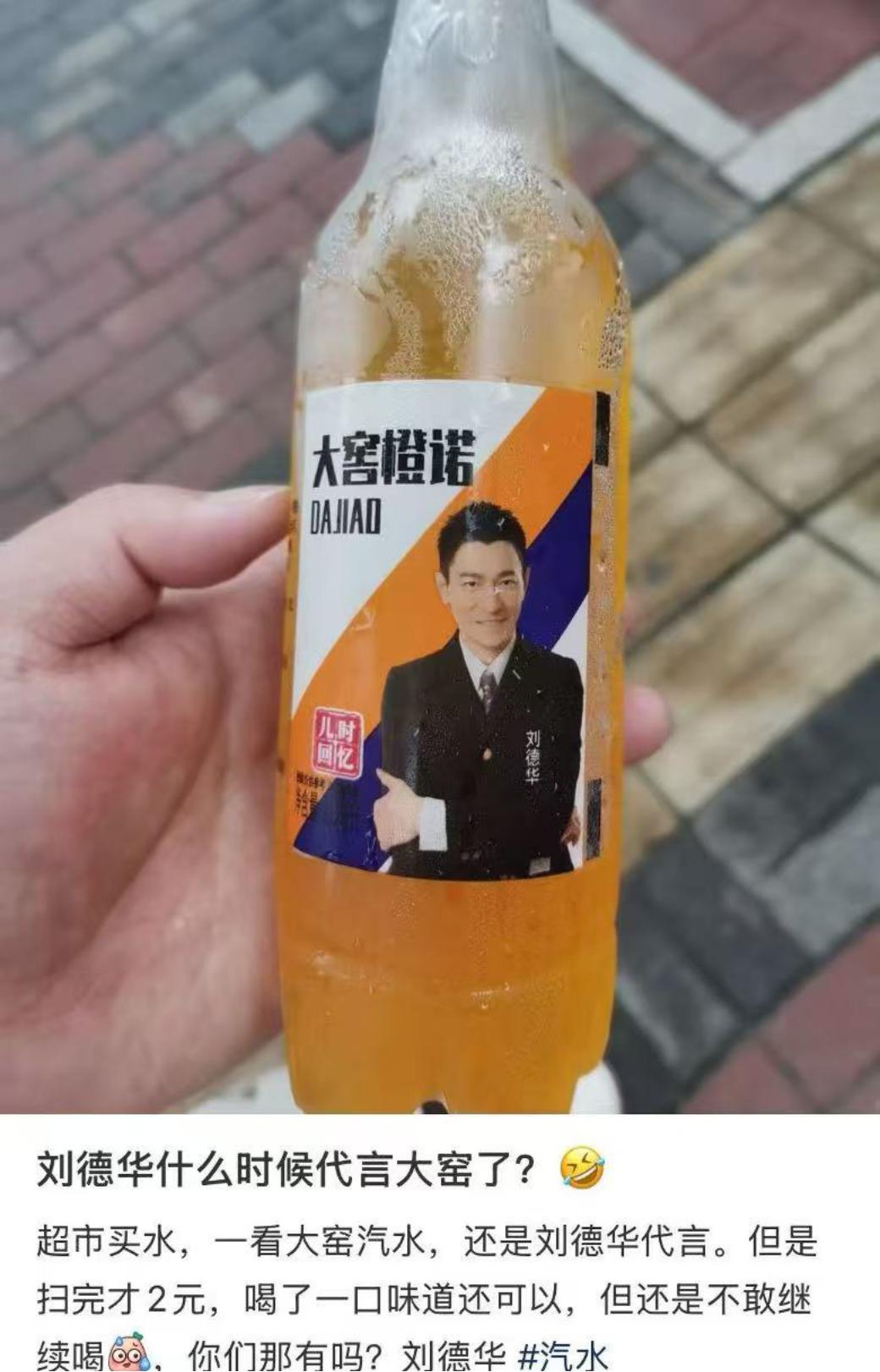
Core Viewpoint - The beverage market in China is experiencing a trend termed "Dajiao-ization," where products like Dajiao soda are gaining popularity despite the overall decline in carbonated drink sales, indicating a shift in consumer preferences towards sweeter, more flavorful options [1][5][21]. Group 1: Market Trends - The summer beverage market has seen a surge in sales, with Dajiao soda standing out as a notable success, achieving revenue of 3.2 billion yuan, significantly outperforming competitors like Ice Peak and North Ice Ocean [3][5]. - Nielsen research indicates that carbonated drinks are the only category among seven beverage types in China to experience a decline in sales growth in 2023, highlighting Dajiao's unique position in the market [3][5]. Group 2: Consumer Preferences - Dajiao soda, despite its high sugar content and artificial flavoring, has attracted consumers who appreciate its refreshing taste, contrasting with the health trends that have dominated the market [3][20]. - The product's design, resembling beer, has led to initial consumer confusion, with many mistaking it for an alcoholic beverage, which has contributed to its appeal in social settings [6][9]. Group 3: Business Strategy - Dajiao's business model primarily targets the restaurant sector, with over 85% of its sales coming from this channel, allowing it to maintain competitive pricing and high profit margins for restaurant owners [14][18]. - The beverage's pricing strategy, where it is sold to restaurants at approximately 3 yuan per bottle, enables restaurant owners to sell it at a markup, making it an attractive option for both parties [14][18]. Group 4: Marketing and Branding - Dajiao has effectively utilized marketing strategies that resonate with consumers, emphasizing its perceived value and affordability, which aligns with the current trend of consumer downgrade in spending [21][25]. - The brand's collaboration with advertising agency Hua Yu Hua has resulted in memorable campaigns featuring popular figures like Wu Jing, enhancing its market presence and consumer recognition [23][25].
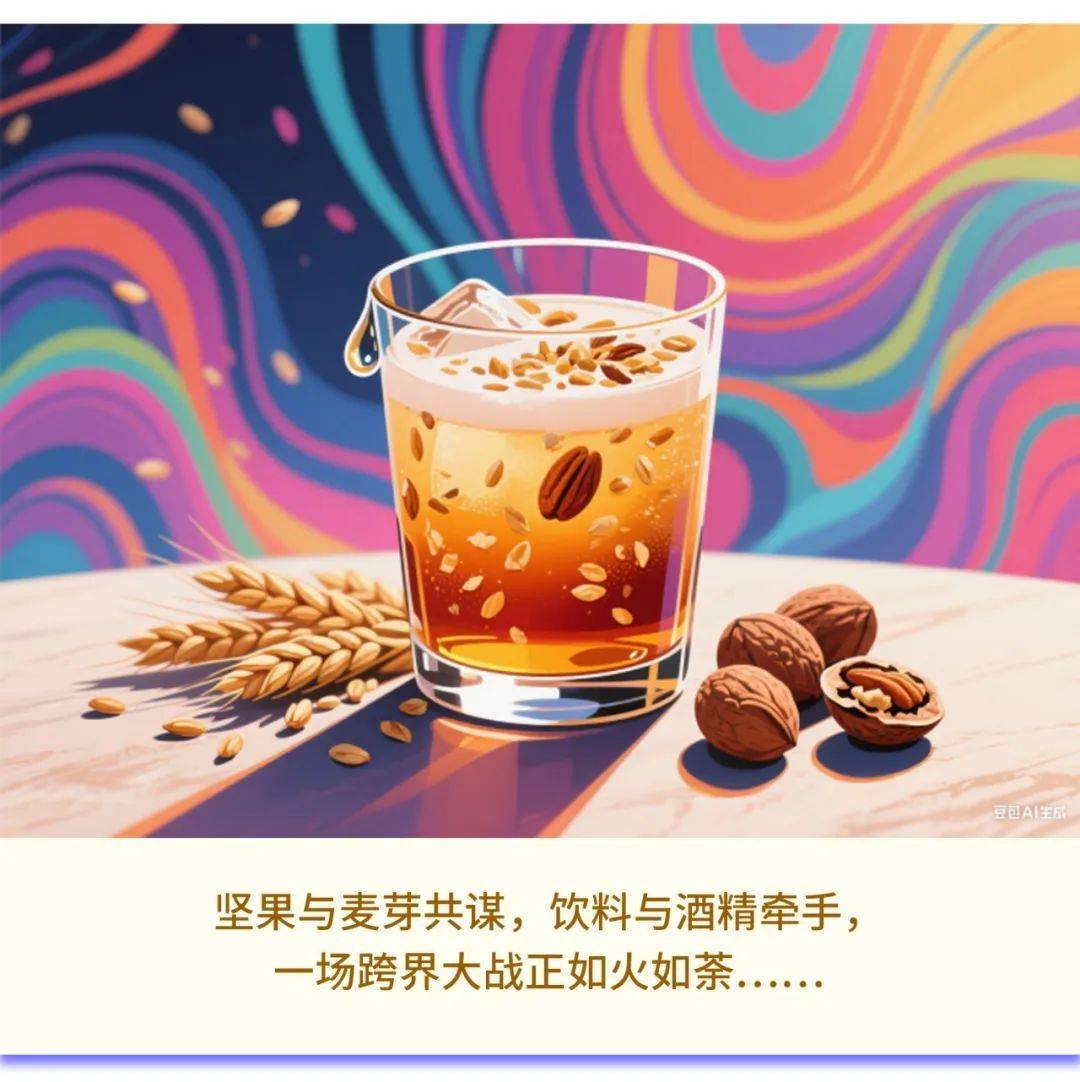
酒水与饮料的“双向奔赴”:一场边界模糊的集体突围
Sou Hu Cai Jing· 2025-06-03 14:02
Core Viewpoint - The beverage and alcohol industries are experiencing a significant crossover, with companies like Three Squirrels launching alcoholic beverages and traditional alcohol brands entering the beverage market, reflecting a blurred boundary and a collective anxiety for growth in a saturated market [4][5][6]. Group 1: Industry Trends - Three Squirrels has introduced three alcoholic brands: "Sun Wukong" craft beer, "Huxi" fruit wine, and "Orange Cat" red wine, aiming to diversify its product matrix for various drinking scenarios [5][6]. - Beverage giants are leveraging their existing consumer bases and distribution networks to penetrate the alcohol market, as seen with Yuanqi Forest's low-alcohol sparkling wine and Fulu's fresh beer business modeled after milk tea [5][9]. - Traditional alcohol companies are also expanding into non-alcoholic beverages, with brands like Moutai and Chongqing Beer launching products such as blueberry juice and orange-flavored soda, respectively [6][9]. Group 2: Strategic Insights - The crossover strategy is driven by the need to optimize resources and create greater boundary efficiency, allowing companies to share costs and enhance value from existing consumer bases [7][11]. - Beverage companies are capitalizing on their high-frequency consumption patterns and established user connections to introduce low-alcohol products, effectively extending their market reach [9][11]. - Alcohol companies are focusing on maximizing their distribution networks by introducing non-alcoholic products, which helps stabilize revenue during seasonal fluctuations in alcohol consumption [11][12]. Group 3: Challenges and Considerations - The success of these crossovers hinges on the ability to build consumer trust in new product categories, as seen with Three Squirrels' wine and Fulu's beer [14][15]. - Companies must redefine the boundaries of "scene integration" and "professional barriers" to ensure that crossovers are not merely superficial but resonate with consumer needs and preferences [15][16]. - Both beverage and alcohol sectors face growth challenges, necessitating a return to core business principles focused on deep consumer insights and effective market positioning rather than blind pursuit of trends [16].