
资本收购

Search documents
又要诞生一个「上纬新材」?
Xin Lang Cai Jing· 2025-12-23 13:22
Core Viewpoint - Qiteng Robotics has announced a significant acquisition, planning to invest over 1.6 billion yuan to take control of Shengtong Energy, marking another instance of a primary market player acquiring a secondary market company [2][3]. Group 1: Acquisition Details - The acquisition involves a two-step process: first, Qiteng Robotics will purchase 29.99% of Shengtong Energy's shares through a direct agreement, followed by a tender offer to acquire an additional 15% of shares [6][7]. - The initial share purchase is priced at 13.28 yuan per share, totaling approximately 1.124 billion yuan, strategically keeping the ownership below the 30% threshold to avoid complex regulatory processes [6][7]. - After the completion of both steps, Qiteng Robotics will hold 44.99% of Shengtong Energy's shares, becoming the controlling shareholder with Zhu Dong as the actual controller [7]. Group 2: Company Profiles - Shengtong Energy is a stable traditional business primarily engaged in LNG (liquefied natural gas) operations, reporting a revenue of 4.513 billion yuan and a net profit of 44.39 million yuan for the first three quarters of 2025, reflecting a year-on-year revenue growth of 21.34% and a net profit increase of 83.58% [3][4]. - Qiteng Robotics specializes in high-risk scenario robotics, achieving a revenue of 954 million yuan and a net profit of 123 million yuan in 2024, with a net profit margin of 12.9% [3][4]. Group 3: Market Impact - Following the announcement of the acquisition, Shengtong Energy's stock experienced a limit-up trading halt, closing at 17.85 yuan per share, with a total market capitalization of 5.038 billion yuan, effectively doubling its stock price within the year [4]. - The acquisition is expected to leverage synergies between Qiteng Robotics and Shengtong Energy in the LNG sector, facilitating technology implementation and market expansion [4][5]. Group 4: Background of Qiteng Robotics - Founded in 2010 by Zhu Dong, Qiteng Robotics has evolved into a leader in the special robotics sector, recognized as a national-level "little giant" enterprise and high-tech company [8][9]. - The company has developed a range of products, including fire-fighting robots and inspection robots, with applications in various industries such as oil, chemicals, and electrical sectors [8][9].



KKR入主,大窑汽水创始人退出
Guo Ji Jin Rong Bao· 2025-12-23 12:20
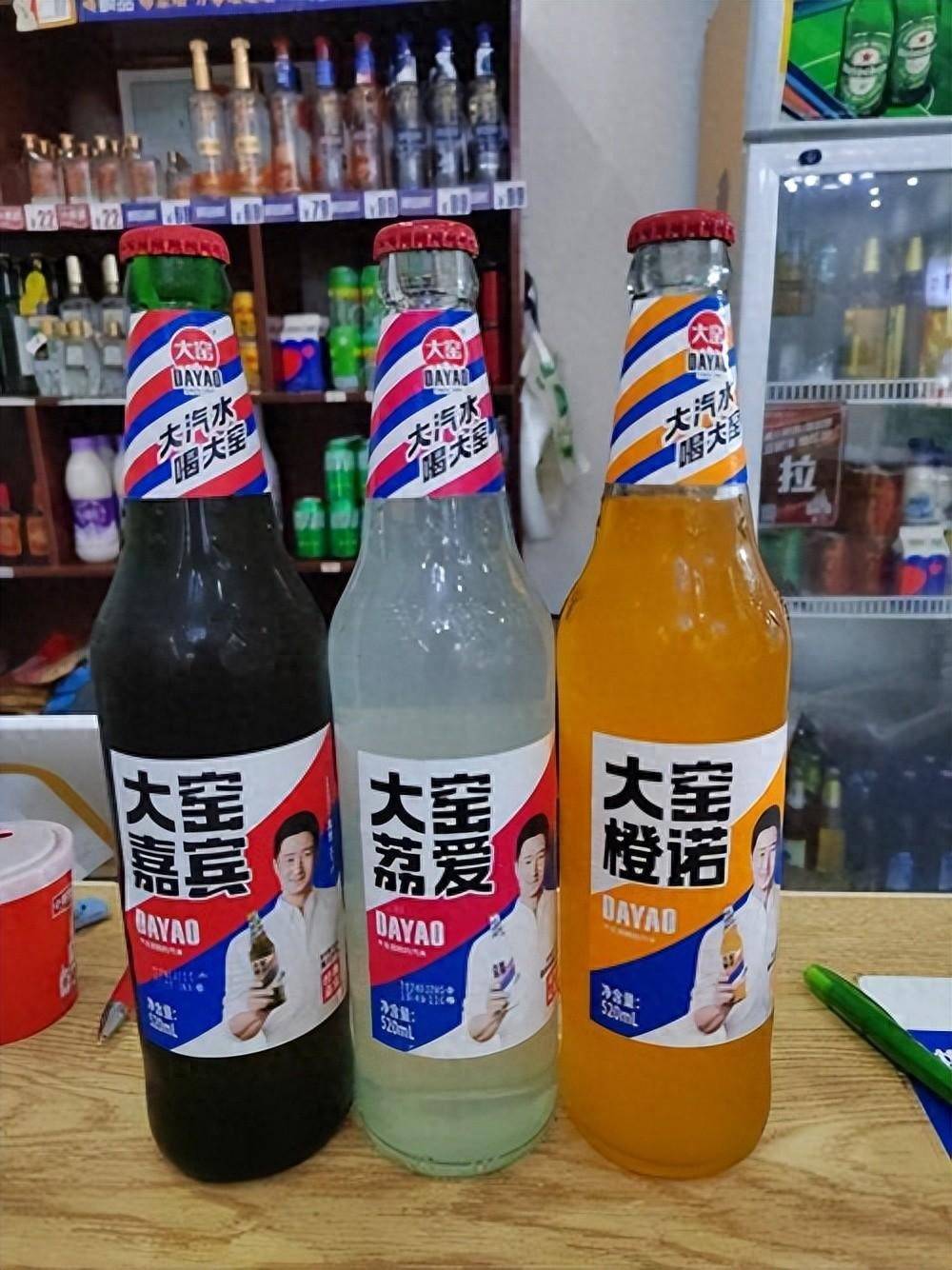
Core Viewpoint - The recent management changes at Dayao Beverage, a rising player in the domestic soda market, signify a critical shift in control as KKR deepens its involvement in the company through both equity and management layers [2][3]. Group 1: Management Changes - Dayao Beverage has undergone significant leadership changes, with founder Wang Qingdong stepping down from key positions, including legal representative and chairman [1][2]. - The new chairman and financial officer, Dai Cheng, is seen as a key figure from KKR, bringing experience in post-investment management and corporate integration [2][3]. - Following these changes, only three executives remain at Dayao, indicating a substantial shift in the company's governance structure [3]. Group 2: KKR's Investment Strategy - KKR has been actively investing in the Chinese consumer sector since 2007, with a portfolio that includes notable brands like Mengniu and others, suggesting a strategic focus on enhancing Dayao's operational capabilities [5]. - The acquisition of an 85% stake in Dayao's parent company, Yuanjing International, allows KKR to exert control over the beverage company [2][3]. Group 3: Market Dynamics - Dayao's competitive edge lies in its strong presence in the restaurant channel, which accounts for over 85% of its sales, but the market is becoming increasingly competitive with new entrants [5][6]. - The carbonated beverage market is experiencing stagnation, with ready-to-drink tea surpassing carbonated drinks as the leading category, indicating a need for Dayao to innovate and diversify its product offerings [6]. - New product launches by Dayao, such as prebiotic juice soda and birch juice soda, aim to create a second growth curve amidst a challenging market environment [6].

行业边界崩塌!为什么说贝壳、京东、盈峰们的收购,比同行价格战可怕十倍?
Xin Lang Cai Jing· 2025-12-11 11:18
Core Viewpoint - The home decoration industry is experiencing a shift from traditional price wars to capital-driven acquisitions, fundamentally altering the competitive landscape. Companies like Beike, JD.com, and Yingfeng are leveraging their capital to acquire established players, posing a greater threat to traditional businesses than mere price competition [1][22][50]. Group 1: Beike's Strategy - In 2021, Beike acquired Saintu for 8 billion yuan, marking the largest merger in the home decoration industry that year, which was initially seen as a business expansion but revealed Beike's deeper ambitions [2][29]. - Saintu, founded in 2002, had revenues exceeding 4 billion yuan in 2020 and provided Beike with a mature supply chain and delivery capabilities, which were essential for Beike's growth [4][31]. - By mid-2025, Beike's home decoration business transformed from a marginal player to a significant profit generator, with total revenue from 2022 to 2024 reaching 30.747 billion yuan, and a net income of 10.9 billion yuan in 2023 [6][34]. Group 2: JD.com's Expansion - JD.com has been strategically entering the home decoration market since 2011, launching its home decoration channel and expanding its offline presence to over 300 stores by 2025 [11][38]. - In June 2025, JD.com acquired a stake in Sichuan Living Home, enhancing its offline delivery capabilities and integrating its online and offline services [13][41]. - JD.com has launched its self-operated home decoration brand stores and plans to create a comprehensive experience space that combines home decoration, home goods, and home appliances [15][43]. Group 3: Yingfeng's Moves - Yingfeng Group, under the leadership of He Jianfeng, has been quietly building a "big home" industry platform by acquiring leading home furnishing companies, including a 29.42% stake in Gujia Home for 8.88 billion yuan [16][44]. - Yingfeng's strategy includes integrating Gujia and Sophia to create a comprehensive ecosystem that combines soft furnishings and customized furniture with home appliances [21][49]. - Despite Sophia's declining revenue, Yingfeng sees potential in its brand value and the customized home furnishing sector, supported by Midea's supply chain and digital capabilities [22][49]. Group 4: Impact of Capital Acquisitions - Capital acquisitions are seen as more destructive than price wars because they fundamentally change the competitive dynamics of the industry, allowing companies to bypass traditional customer acquisition challenges [22][50]. - The shift from price competition to capital-driven acquisitions is leading to a concentration of resources among a few major players, diminishing the survival space for smaller companies [25][53]. - The entry of cross-industry players like Beike, JD.com, and Yingfeng signifies a transition from product and price competition to a deeper contest of capital and ecosystem integration [25][53].



大窑老板套现离场,32亿中国饮料巨头,终被“卖身”美国资本大鳄
Sou Hu Cai Jing· 2025-07-24 08:02
Core Viewpoint - The sale of the domestic soda brand "Dai Yao" to the American private equity giant KKR has sparked public outrage and disappointment, as the founder Wang Qingdong previously vowed not to sell to foreign investors [1][3][21] Company Background - Wang Qingdong, the founder of Dai Yao, started his journey by selling soda from a tricycle, targeting a significant market gap for non-alcoholic beverages during dining occasions [5][7] - Dai Yao quickly gained popularity with its unique positioning as a beer alternative, achieving annual sales of 3.2 billion yuan and becoming the third-largest player in China's carbonated beverage market [7][12] Market Challenges - The brand has faced challenges due to changing consumer preferences towards healthier, low-sugar options, while Dai Yao's traditional recipes still rely heavily on sugar and additives [9][12] - The iconic glass bottle packaging, while cherished locally, has become a burden for national expansion due to high transportation costs and complex recycling processes [11][12] Acquisition by KKR - KKR's acquisition of an 85% stake in Dai Yao represents a shift towards a more aggressive business strategy, focusing on restructuring and maximizing company value [1][16] - KKR is known for its efficient capital management and has a history of transforming companies like Mengniu and ByteDance, which may lead to significant operational changes at Dai Yao [16][18] Future Implications - The acquisition may bring in much-needed capital for production upgrades and broader distribution, but it could also result in the loss of the brand's original identity and emotional connection with consumers [18][20] - The potential replacement of traditional packaging and recipes to align with modern health trends raises questions about the future of the brand's unique appeal [18][23]
斯凯奇被投资公司3G资本收购;新茶饮“五一”假期销售火热丨消费早参
Mei Ri Jing Ji Xin Wen· 2025-05-06 23:36
Group 1: Beijing SKP Share Sale - Beijing SKP is set to sell a stake to the Boyu Capital's fifth USD fund, which will acquire 42% to 45% of the shares through its affiliates [1] - The transaction amount has not been disclosed, but it reflects capital's recognition of high-end retail's resilience amid economic challenges [1] - SKP has been a leader in high-end retail, but faces challenges from luxury market growth bottlenecks and competition from new projects [1] Group 2: Skechers Acquisition by 3G Capital - Skechers has agreed to be acquired by 3G Capital for $63 per share, a 30% premium over its 15-day volume-weighted average price [2] - The transaction is expected to close in the third quarter of this year, after which Skechers will become a private company [2] - This acquisition represents a strategic move for Skechers to restructure and adapt, with a focus on supply chain, market expansion in China, and brand rejuvenation [2] Group 3: New Tea Beverage Sales During May Day Holiday - New tea beverage brands experienced significant sales growth during the May Day holiday, with Tea Baidao reporting a 50% increase in overall sales and some stores seeing sales up by 3000% [3] - Nayuki's Tea also reported a surge in orders, with some locations experiencing over 300% increase compared to pre-holiday levels [3] - The new tea beverage sector has become a popular choice among young consumers, but the industry must continue to innovate and operate efficiently as the flow of consumer traffic diminishes [3] Group 4: May Day Film Box Office Performance - The total box office for the May Day film season was 747 million yuan, less than half of last year's figures, marking the lowest daily average box office in nearly a decade [4] - The number of moviegoers decreased by 44%, and there was low pre-release interest in new films [4] - Changes in consumer logic and audience demands are impacting cinema consumption, with higher expectations for production quality, emotional resonance, and content innovation [4]