全触控大屏

Search documents
电动车还要“反人类”多久?
创业邦· 2025-11-12 03:08
Core Viewpoint - The article discusses the evolution of electric vehicles (EVs) and critiques the design choices made by automakers, particularly the shift towards touchscreens and hidden door handles, which may compromise safety and user experience [5][22][45]. Group 1: Evolution of Electric Vehicles - Electric vehicles have transformed from being seen as niche products to becoming mainstream, overcoming initial skepticism regarding range and charging efficiency [5]. - The introduction of Tesla's Model S in 2012 marked a significant turning point in the automotive industry, establishing a new standard for smart electric vehicles [8][9]. Group 2: Design Trends and Critiques - Tesla's design philosophy emphasizes minimalism, reducing mechanical components in favor of sleek, touch-based interfaces, which has influenced many other automakers [9][12]. - The trend of integrating large touchscreens and eliminating physical buttons has led to usability challenges, particularly in critical functions like defrosting and door operation [11][30][31]. Group 3: Safety and Usability Concerns - The shift to touchscreens and hidden door handles raises significant safety concerns, as these designs can distract drivers and complicate emergency situations [40][41]. - Regulatory bodies are beginning to respond to these concerns, with new guidelines requiring physical buttons for certain functions to ensure safety [42][43]. Group 4: Future Directions - The automotive industry may move towards a hybrid approach, combining touchscreens with essential physical buttons to balance innovation with safety and usability [45]. - The article suggests that while the design of electric vehicles is evolving, practical solutions like heat-resistant films for glass roofs are still necessary to enhance user comfort [46].


电动车还要“反人类”多久?
3 6 Ke· 2025-11-11 01:51
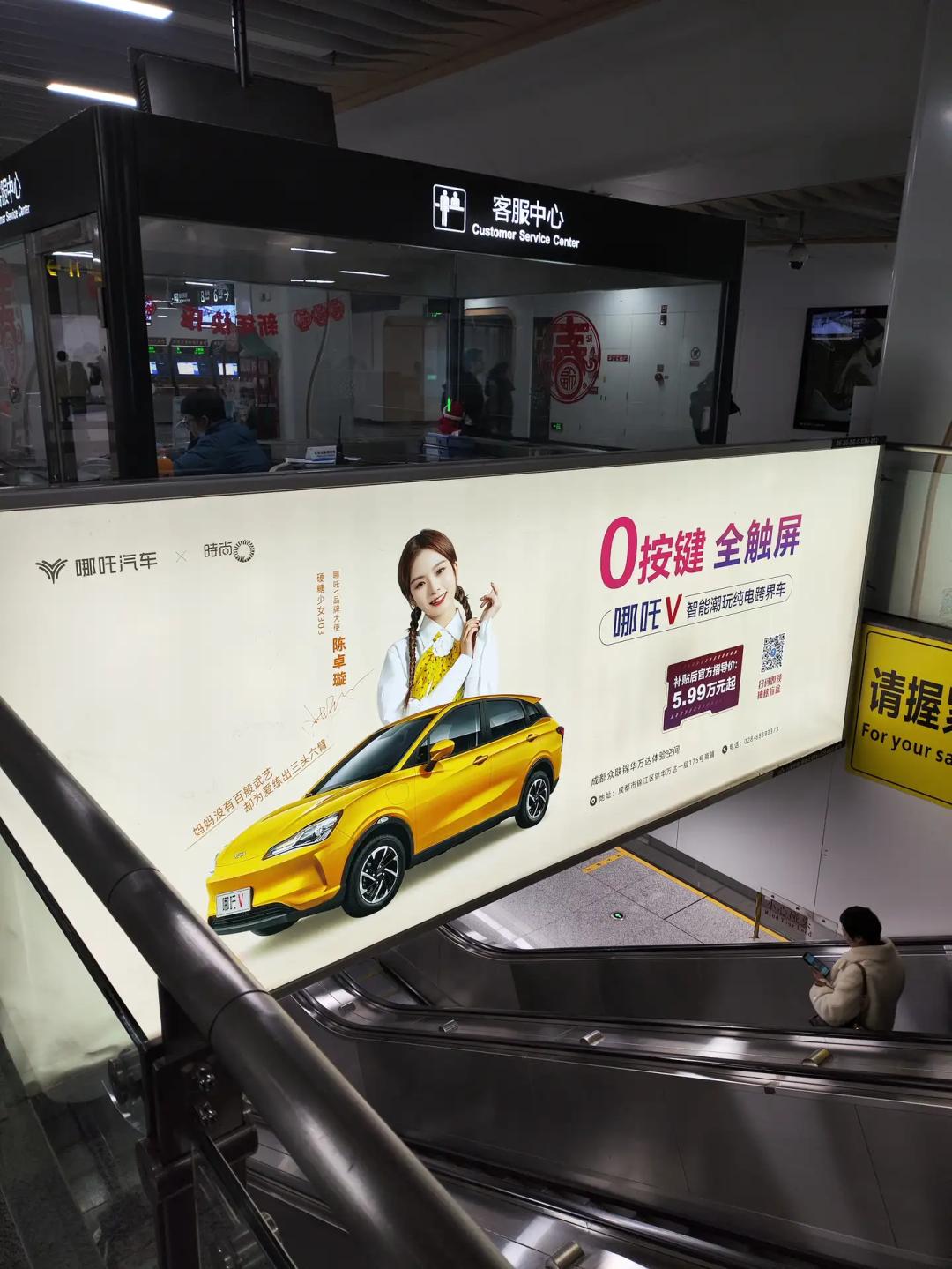
Core Viewpoint - The electric vehicle (EV) industry has evolved significantly over the past decade, overcoming initial skepticism regarding range and charging efficiency, but it has also introduced design elements that may complicate user experience, such as glass roofs, touchscreens, and hidden door handles [1][2][4]. Group 1: Evolution of Electric Vehicles - The launch of the Tesla Model S in 2012 marked the beginning of the smart electric vehicle era, receiving accolades for its innovative design [2][3]. - Tesla's design philosophy emphasizes the removal of mechanical components in favor of a sleek, intelligent interface, aiming for a futuristic automotive experience [2][4]. Group 2: Industry Trends and Challenges - Many automakers have adopted Tesla's design elements, leading to a trend where physical buttons are minimized, and touchscreens dominate vehicle controls [5][6]. - New entrants in the market are pushing for "zero buttons, all touchscreen" interfaces, which can complicate user interactions, especially in critical situations [7][9]. Group 3: User Experience and Safety Concerns - The shift to touchscreens and hidden door handles has raised concerns about usability, particularly in emergency situations where traditional controls may be more intuitive [19][30]. - The automotive industry has historically prioritized safety in user interactions, but the current trend may compromise this principle by prioritizing aesthetics and convenience over safety [30][31]. Group 4: Regulatory Responses - Regulatory bodies are beginning to respond to these design trends, with new safety requirements that may limit the use of hidden door handles and emphasize the need for physical buttons for critical functions [31][34]. - The European New Car Assessment Programme (E-NCAP) and China's Ministry of Industry and Information Technology are both advocating for a return to more traditional controls to ensure safety [31][34]. Group 5: Future Directions - The industry may move towards a hybrid model that combines touchscreens with essential physical buttons to balance safety and modern design [37]. - As technology advances, there is potential for improved user interfaces that maintain safety while offering the benefits of modern design elements [37].

电动车还要“反人类”多久?
远川研究所· 2025-11-10 13:19
Core Viewpoint - The article discusses the evolution and challenges of electric vehicles (EVs), highlighting the shift from traditional mechanical components to modern design elements like glass roofs, touchscreens, and hidden door handles, while raising concerns about safety and usability [3][5][26]. Group 1: Evolution of Electric Vehicles - The introduction of the Tesla Model S in 2012 marked a significant turning point in the electric vehicle industry, being recognized as a groundbreaking invention [8][10]. - Tesla's design philosophy aimed to eliminate mechanical components in favor of a sleek, minimalist aesthetic, which has influenced many automakers [9][12]. - The trend of integrating large touchscreens and hidden door handles has become prevalent, often at the expense of user-friendliness and safety [13][23]. Group 2: User Experience and Safety Concerns - The shift to touchscreens and hidden controls has led to usability issues, with drivers struggling to locate essential functions quickly, especially in emergencies [35][45]. - The article emphasizes that the automotive industry has historically prioritized safety, but recent trends may compromise this principle by prioritizing aesthetics over functionality [44][55]. - Regulatory bodies are beginning to respond to these concerns, with new safety requirements for physical buttons and controls being proposed [47][48]. Group 3: Future Directions - The article suggests a potential shift towards a hybrid approach, combining touchscreens with essential physical buttons to enhance safety and usability [56][57]. - It anticipates that by 2027, a balanced integration of technology and traditional controls will likely emerge, addressing both design and safety needs [58][59].