
八观

Search documents
阿里巴巴承办COP30中国角边会 展示AI驱动气候治理新成果
Sou Hu Cai Jing· 2025-11-21 16:05
Core Viewpoint - The 30th United Nations Climate Change Conference (COP30) in Brazil emphasizes the role of artificial intelligence (AI) in addressing climate change, marking a significant shift in discussions since the Paris Agreement in 2015 [1][3]. Group 1: AI and Climate Solutions - AI is highlighted as a key discussion topic at COP30, with the launch of a climate-related "AI initiative" aimed at accelerating the development of climate solutions by governments [1]. - Alibaba, as a core organizer, showcased AI-driven climate solutions during the Digital Day, collaborating with various international organizations [3][6]. - The "Baguang" AI-driven high-precision weather forecasting model was presented, capable of providing hourly updates with a 1 km grid resolution, demonstrating its application in multiple provinces in China [5][7]. Group 2: Green Computing and Energy Efficiency - Alibaba Cloud's data centers utilize a "five greens" system to provide low-carbon solutions throughout the data center lifecycle, achieving a Power Usage Effectiveness (PUE) of 1.19, which is industry-leading in Asia [4]. - The company is committed to matching green power for its intelligent computing clusters and optimizing energy use through AI-driven dynamic scheduling [4]. Group 3: AI in Disaster Prevention and Climate Services - AI is being used to enhance extreme weather prediction and climate modeling, providing valuable information for sectors like agriculture and fisheries [5]. - The "Baguang" model has shown a 50% reduction in prediction error for significant weather events, aiding in disaster prevention and response [7]. Group 4: Circular Economy and Carbon Reduction - Alibaba's "Scope 3+" carbon reduction methodology achieved a reduction of 59.208 million tons in the 2025 fiscal year, a 77.6% increase year-on-year, showcasing the platform's influence on ecological partners [8]. - The platform's initiatives, such as promoting energy-efficient appliances, contributed significantly to carbon reduction efforts [8]. Group 5: Open Collaboration and AI Standards - Alibaba advocates for integrating AI with open collaboration and scientific rigor to enhance climate action, emphasizing the need for global cooperation [9]. - The company is involved in developing international standards for assessing the environmental impact of AI systems, contributing to a comprehensive approach to AI's role in climate governance [13].


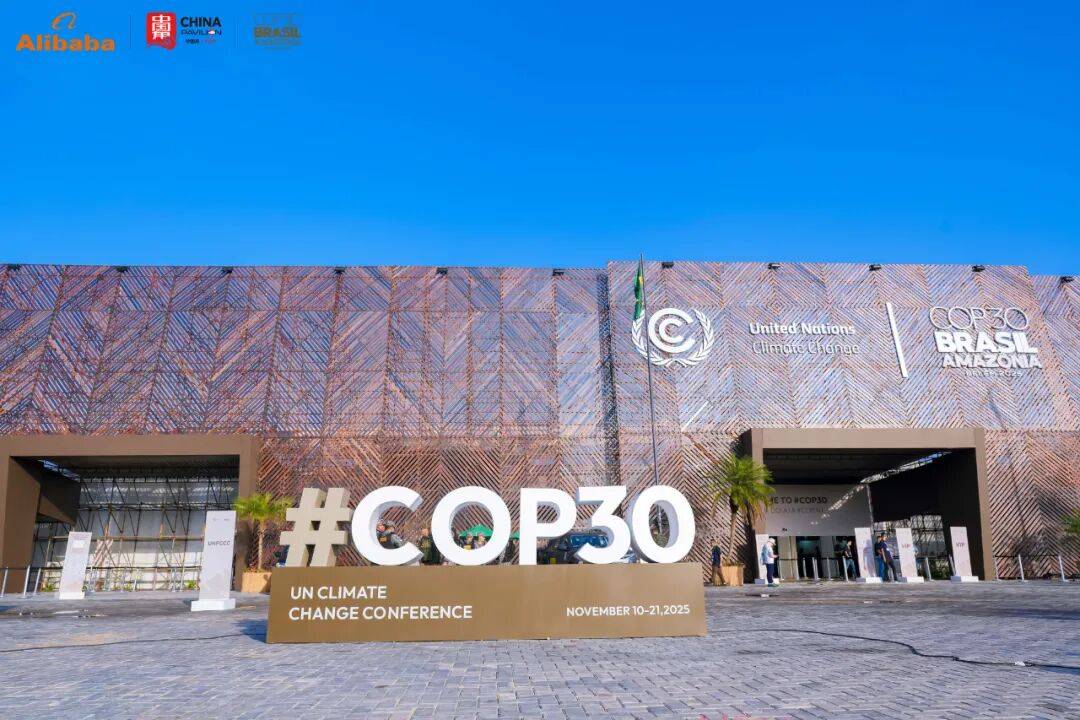
COP30中国角聚焦人工智能,共议数字技术驱动全球气候治理
2 1 Shi Ji Jing Ji Bao Dao· 2025-11-20 12:27
Group 1 - The COP30 conference has recognized artificial intelligence (AI) as a key topic for discussion, launching a climate-related "AI initiative" to support governments in developing climate solutions [1] - The Digital Day event at COP30 showcased various AI-based climate solutions, highlighting China's advancements in using AI for extreme weather forecasting and climate modeling [1] - International experts acknowledged China's significant contributions to climate services, emphasizing the development path from early warning initiatives to comprehensive climate services [1] Group 2 - The director of Tsinghua University's Carbon Neutrality Research Institute emphasized the unprecedented opportunities AI presents for environmental and climate system analysis, advocating for a digital governance system for a beautiful China [2] - Chinese companies demonstrated specific achievements in AI applications, with Alibaba presenting its high-precision weather forecasting model and other digital economy initiatives [2] - Experts called for greener AI development, with a joint initiative launched to promote green AI across energy, infrastructure, and operations [2] - The International Telecommunication Union (ITU) is working on environmental impact assessment guidelines for AI systems, with participation from various stakeholders, including Chinese companies [2] - The Digital Day event highlighted the importance of integrating AI with openness, scientific rigor, and global collaboration to address the climate crisis [2]