共享菜园

Search documents
太仓福福农场二期开园 打造“多巴胺”新地标
Yang Zi Wan Bao Wang· 2026-02-05 14:37
Group 1 - The FooFarm's second phase project officially opened, marking a comprehensive upgrade of the "dopamine" themed farm, which integrates American style with naturalism [1] - The second phase covers an area of 40 acres and introduces new attractions such as a non-motorized playground and water projects, with an expected annual visitor count exceeding 300,000 [1] - The farm emphasizes a "full-time consumption" experience, offering daytime activities for families and an upgraded evening area with extended hours to cater to urban demands [1] Group 2 - The opening of the second phase will further promote the integration of agriculture, culture, tourism, and health in the Science and Education New City, providing richer natural lifestyle options for residents and visitors in Taicang [2]
“共享菜园”为啥火
Jing Ji Ri Bao· 2025-12-28 23:32
Core Insights - The "shared garden" model has gained popularity as a new way for urban residents to engage with nature and rural life, providing an immersive experience from planting to harvesting, while also enhancing social interaction [1][2] - This model addresses the long-standing issue of underutilized rural land by transforming idle plots into rental gardens, generating stable rental income for rural communities and promoting diverse economic activities [1] Group 1 - The "shared garden" model allows urban dwellers to reconnect with nature, fulfilling their desire for pastoral living amidst urbanization [1] - It leverages the concept of shared economy to meet new consumer demands while benefiting rural areas by converting unused land into valuable assets [1] - The influx of visitors to rural areas can stimulate various sectors such as local dining, educational experiences, and direct sales of agricultural products, fostering a new development model of "agriculture + experience + service" [1] Group 2 - The sustainability of the "shared garden" model faces challenges, including maintaining tenant engagement and preventing land from becoming idle again [2] - To ensure long-term success, regions must adopt differentiated development strategies and improve benefit mechanisms for all stakeholders involved [2] - Continuous enhancement of service quality and user experience is essential to meet diverse needs and make "shared gardens" a desirable destination [2]
杭州408块“共享菜园”20天抢空
Hang Zhou Ri Bao· 2025-11-28 02:28
Core Insights - The "shared garden" concept in Hangzhou has gained significant popularity, with 408 plots rented out within 20 days, indicating a strong demand for urban farming experiences [3][4] - The initiative targets urban residents, particularly young professionals and families, who seek a connection to nature and a sense of community through gardening [4][5] Group 1: Market Demand - The "shared garden" attracts 300 to 400 visitors on weekdays and 800 to 1,000 on weekends, showcasing its appeal to the local community [3] - The annual rental fee for a 32-square-meter plot is 988 yuan, with a discounted rate of 788 yuan for a three-year lease, making it an affordable option for urban dwellers [3] Group 2: User Demographics - Users of the "shared garden" include young families and retirees, with activities focused on educating children about nature and food production [4] - The initiative has fostered a supportive community among renters, who share gardening tips and experiences through a dedicated group [4] Group 3: Future Development - Currently, the "shared garden" represents only 10% of the overall project by Hangzhou Gengdu Garden Agricultural Technology Co., Ltd., indicating potential for expansion [5] - Future plans include developing more comprehensive agritourism projects, such as strawberry picking and fishing, to enhance the urban farming experience [5]

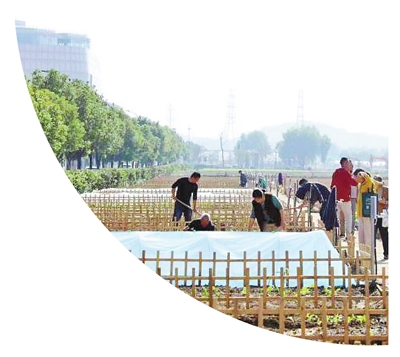
陕西洛南县麻坪街村“共享菜园”上线——河滩荒地变身都市人的“云端菜园”
Huan Qiu Wang· 2025-11-19 09:46
Core Insights - The article highlights the transformation of a previously idle riverbank area in Mapiing Street Village into a thriving ecological shared vegetable garden, supported by the Xi'an branch of Pudong Development Bank with an investment of 186,000 yuan [3][4] - The shared garden has become a community hub, promoting organic farming and providing educational opportunities for children, while also generating income for local villagers through employment and land rental [3][4] Group 1 - The shared vegetable garden occupies 10 acres and has been divided into 102 independent plots, with an annual rental fee of 500 yuan per plot [3] - Pudong Development Bank employees have adopted 57 plots, while local government staff have also participated, creating a "rural partner" co-construction model [3][4] - The garden cultivates over 20 types of seasonal vegetables, serving as a venue for family interaction and nature education [3][4] Group 2 - The garden has increased local tourism, with visitors enjoying fresh, organic produce and local delicacies, thereby expanding income channels for villagers [4] - Each acre of the garden pays villagers 500 yuan in rent annually, and it provides stable employment for over 20 villagers, with monthly incomes ranging from 1,500 to 2,000 yuan [4] - The "cloud garden" feature allows plot adopters to monitor vegetable growth in real-time, enhancing engagement and interest in the shared garden [4]
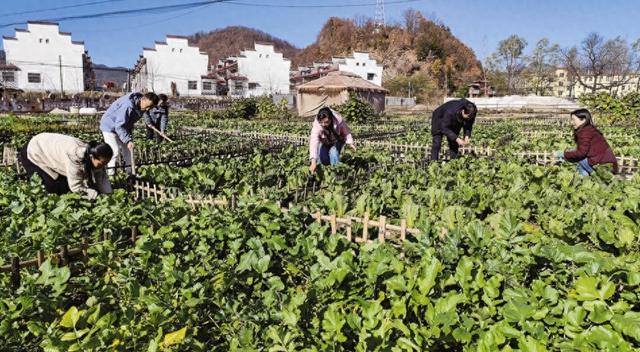
太仓青禾谷共享农场,实现在“城里”的农耕乐趣
Yang Zi Wan Bao Wang· 2025-11-13 07:20
Group 1 - The Qinghe Valley Shared Farm in Taicang Science and Education New City has officially opened, created through a collaboration between Xingfeng Community Star Labor Cooperative and Qinghe Valley Agricultural Co., Ltd. This project utilizes an innovative model of "infrastructure equity + land sharing" to activate idle resources, quickly becoming a popular destination since its opening in June 2025 [1][3] - The project is located in the Tai'an Third Group, with a planned agricultural area of 36.92 acres and supporting construction land of 0.35 acres. It will be developed in two phases, creating 402 standardized shared vegetable gardens, with 214 in the first phase and 188 in the second phase [3] - The cooperative has invested in infrastructure improvements, including road and waterway renovations, establishing a solid foundation for project operations, exemplifying the transformation of resources into assets and investments into equity [3] Group 2 - The park focuses on "organic planting + diverse experiences," featuring green planting, fruit picking, and pet interaction, ensuring food safety while integrating with compulsory education labor courses. It offers two cultivation models: "self-cultivation" and "full托," with standardized plots of 20-40 square meters and a one-year cycle [6] - Approximately 100 vegetable plots have been successfully leased, receiving a positive market response. The self-cultivation model provides tools and technical guidance, while the full托 model is managed by a professional team, allowing citizens to pick vegetables at their convenience [6] - To ensure quality, the park strictly adheres to organic planting standards, uses organic fertilizers, and regularly publishes soil testing reports. It also offers activities like "vegetable classrooms" and "farming practice classes" to enhance parent-child interactions and promote exploration of nature [8] Group 3 - This project enriches urban leisure scenes and provides stable income for village collectives through land rent and management fees, creating job opportunities in fertilization and weeding. The shared farm, with around 100 "urban landlords," serves as a vibrant connection between urban and rural areas and offers a replicable model for rural revitalization, promoting a healthy and low-carbon lifestyle [11]

在“浙”看到未来乡村(“融”观中国)
Ren Min Ri Bao Hai Wai Ban· 2025-10-13 04:29
Core Insights - The article discusses the transformation of rural areas in Zhejiang Province through digitalization, enhancing agricultural efficiency and improving living standards for residents [7][10]. Group 1: Digital Agriculture - The implementation of smart sensors and digital platforms in agriculture allows for real-time monitoring and management of crops, leading to increased productivity and efficiency [8][9]. - The "shared vegetable garden" initiative enables citizens to pay for and monitor a 15-square-meter plot of land, generating over 5 million yuan in income from 200 households by the end of 2024 [8][9]. - The collective economic income of Yong'an Village increased from 730,000 yuan in 2019 to 6.09 million yuan in 2024, with 215,000 visitors contributing to a total revenue of 10.75 million yuan from agricultural tourism [9]. Group 2: Smart Waste Management - The introduction of smart garbage trucks in Wusi Village allows for real-time tracking of waste collection, achieving a 95% accuracy rate in waste classification [12][13]. - A digital governance platform integrates data from various sectors, improving the efficiency of environmental management and reducing response times for issues from five days to three hours [12][13]. Group 3: Health and Wellness Innovations - The establishment of smart health stations in villages provides residents with access to medical services, including remote consultations and health monitoring through wearable devices [15][16]. - The smart wristbands distributed to elderly residents can monitor vital signs and send alerts in emergencies, enhancing the safety and health management of the aging population [16][17]. Group 4: Future Developments - Zhejiang Province plans to build 1,000 digital agricultural factories and 100 future farms by the end of 2027, positioning digital economy as a key driver for rural economic development [10][14].
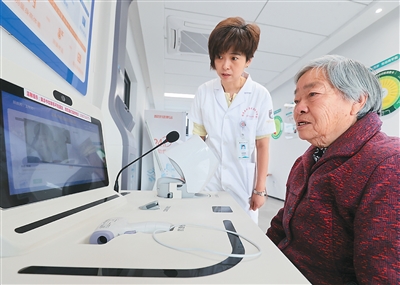
马明龙调研农村资产管理情况监督工作时强调 切实守护群众身边资产 更好助力乡村全面振兴
Zhen Jiang Ri Bao· 2025-09-25 20:44
Core Points - The emphasis on the importance of rural asset management and supervision to ensure the safety and appreciation of collective assets, contributing to rural revitalization [1][3] - The exploration of activating idle rural resources through eco-agriculture and leisure experiences, promoting the integration of agriculture, culture, and tourism [1][2] - The establishment of innovative practices in rural asset management, particularly in the context of red culture and ecological resources, to benefit more communities [2][3] Summary by Sections Rural Asset Management - The need for in-depth learning and implementation of the supervisory responsibilities of the People's Congress regarding rural asset management [1][3] - The focus on ensuring the safety and appreciation of collective assets to protect community interests [1][3] Development Initiatives - The "Five-color Dongyue" party brand leading efforts to revitalize idle resources in Dongyue Village, with a focus on eco-agriculture and leisure experiences [1] - The creation of Jiangsu's first red education base in the Kuangxinwei traditional village, showcasing the integration of red culture and natural resources [2] Innovative Practices - The introduction of new projects like the Longshan Aviation Camp to activate idle assets and promote high-quality development in the cultural tourism sector [2] - The encouragement of grassroots innovation in asset management to enhance community benefits and satisfaction [3]
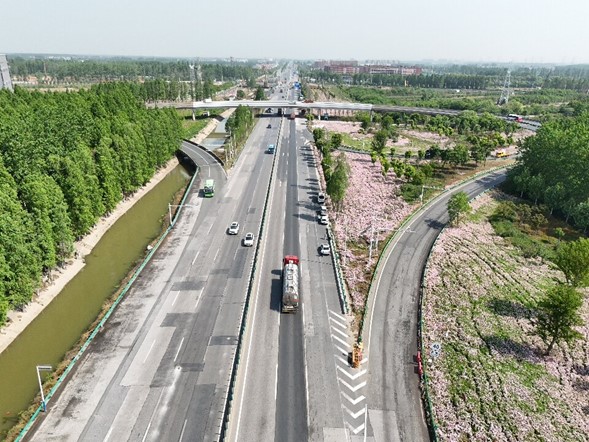
增绿覆绿4000余平方米,武汉持续纵深推进“四线一口”整治提升工作
Chang Jiang Ri Bao· 2025-05-01 04:00
Group 1 - The article highlights the ongoing efforts in Wuhan to enhance the urban environment through the "Four Lines and One Mouth" comprehensive improvement initiative, involving significant manpower and resources [1][11] - Over the past week, 2,143 personnel and more than 270 vehicles were deployed to clean up 145 tons of waste and improve green spaces across 100 designated areas [1] - The initiative includes the transformation of previously neglected areas into vibrant green spaces, such as the "Flower Sea Park" in the Dongxihu District, which features over 20,000 square meters of blooming flowers [2][4] Group 2 - The Huangtang Lake Park renovation incorporates a "Flower Sea + Vegetable Garden" model, creating a visually appealing and functional space for residents [4] - In the Hongshan District, efforts to convert a 20-acre wasteland into an ecological park are underway, with the removal of illegal structures and the planting of various trees to enhance the local environment [6][7] - The Huangpi District has also seen improvements, with the removal of illegal vegetable plots and garbage, resulting in a cleaner and more attractive area for residents and visitors [8][9]