
乡村发展

Search documents
拔河绳上的“乡愁”
Xin Lang Cai Jing· 2026-02-27 22:33
Group 1 - The article highlights a unique tug-of-war competition held in Yaopu Town, Anshun Economic Development Zone, which has become a significant cultural event for the local community, especially for young people returning home during the Spring Festival [1][2] - The tug-of-war tradition in Yaopu has historical roots, evolving from ancient practices and serving as a means for community bonding and cultural preservation, with participation from both local residents and returning migrants [2] - The event has been organized more systematically in recent years, allowing for broader participation across age groups, thus revitalizing the traditional custom and enhancing community spirit [2] Group 2 - The "Village Tug-of-War" competition aims to activate rural vitality and foster development through cultural engagement, with over 100,000 spectators participating both online and offline, indicating a significant boost to local tourism and economy [3] - Local officials emphasize the importance of leveraging cultural events like the tug-of-war to create a distinctive brand for the village, which can lead to increased income and prosperity for the community [3]
一碗红烧羊肉里的江南
Xin Lang Cai Jing· 2026-02-26 22:50
Core Insights - The article explores the cultural significance and evolution of red-braised lamb in Jiangnan, highlighting its transition from a ceremonial dish to a common household staple, reflecting broader societal changes [5][9] - The lamb industry in Huzhou has developed into a significant economic driver, with a complete industrial chain that includes breeding, processing, and tourism, contributing to local farmers' income [8] Group 1: Cultural Significance - Red-braised lamb is not merely a dish but a representation of regional culinary traditions and memories, deeply embedded in the local culture of Jiangnan [6][9] - The preparation methods and ingredients have evolved over time, showcasing the blend of northern and southern culinary practices, resulting in a unique flavor profile [6][7] Group 2: Economic Impact - The lamb industry in Huzhou has established a comprehensive industrial chain, generating an annual output value of 560 million yuan, significantly benefiting local farmers [8] - The average disposable income for farmers in Lushan Township reached 51,000 yuan last year, indicating the economic importance of the lamb industry in the region [8]


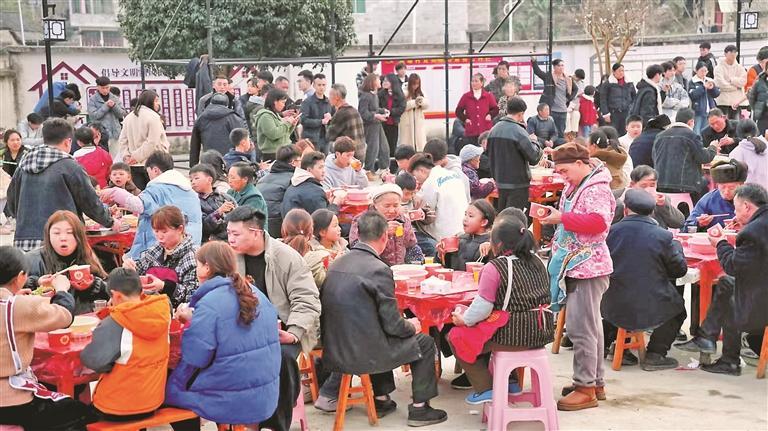
家门口办“村晚” 吉祥话里迎新春
Xin Lang Cai Jing· 2026-02-17 22:47
Group 1 - The article highlights a community event called "village evening" in Quanzhuang Village, where villagers gather to celebrate and strengthen community bonds through shared meals and performances [3][4]. - Villagers contributed over 30,000 yuan to organize the event, showcasing a collective effort to enhance community spirit and cultural activities [3][4]. - The event featured self-organized performances, including a dance titled "Me and My Country," reflecting the villagers' pride and sense of belonging [5]. Group 2 - The village has seen significant improvements in local industries such as beef cattle, pumpkins, and tobacco, alongside enhanced infrastructure, leading to increased happiness among residents [4]. - In 2025, the village plans to distribute 378,900 yuan in industry subsidies benefiting 44 poverty-stricken households, indicating a focus on economic development and support for vulnerable groups [4]. - The first harvest of over 10 acres of grapes generated nearly 10,000 yuan in revenue, demonstrating the potential for agricultural growth and sustainability within the community [4].
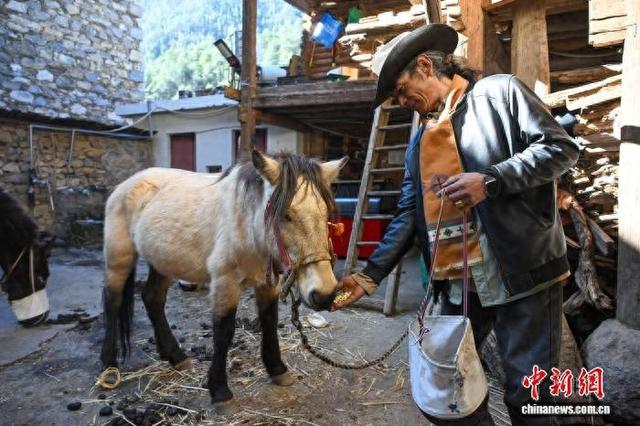
(新春见闻)香格里拉秘境尼汝村的“第一”
Zhong Guo Xin Wen Wang· 2026-02-17 08:53
Core Insights - The article highlights the transformation of Nirou Village in Shangri-La, Yunnan, showcasing the integration of modern technology and traditional practices among the local Tibetan community [1][3][5]. Group 1: Technological Adoption - Danzen Peichu, a local resident, is noted for being the first in the village to adopt various technologies, including a walkie-talkie, smart phone, smart watch, and drone for livestock management [5][6]. - The village has seen significant technological advancements, such as the introduction of broadband internet and 5G networks, facilitating the sale of local products like matsutake mushrooms and yak meat through e-commerce platforms [5][6]. Group 2: Infrastructure Development - The construction of roads in the early 2000s marked a significant change in the village, ending the reliance on manual transport methods [5]. - The establishment of the first small shop in the village reflects a shift in consumer behavior and access to goods [5]. Group 3: Tourism and Economic Growth - The arrival of backpackers has led to a new understanding of the village's natural beauty, prompting some residents to engage in tourism-related activities [5][6]. - A local resident, Ram, has innovated in the hospitality sector by focusing on guest experiences and collaborating with travel agencies to create educational travel routes [6][7]. Group 4: Community Aspirations - The younger generation is bringing back new development ideas, as seen with Ram's efforts to upgrade her family's guesthouse and introduce new services, including electric vehicle charging stations [6][8]. - There is a collective hope among residents for further infrastructure improvements, such as a road to the pastures, and aspirations for social media recognition [8].
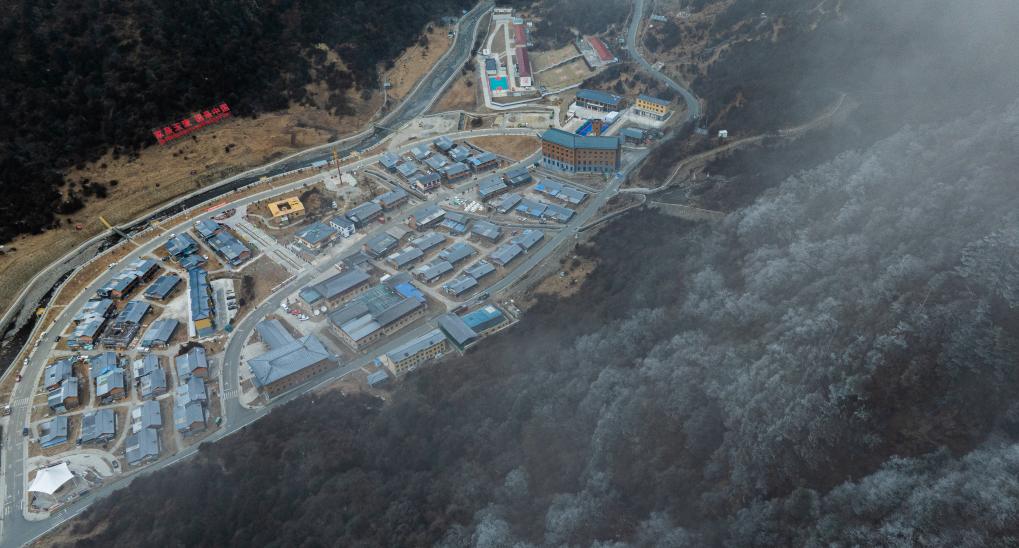
新春走基层丨玉麦的新年
Xin Hua She· 2026-02-17 07:39
Core Viewpoint - The article highlights the transformation of Yuma Township in Tibet, showcasing its development from a remote area to a thriving community with improved living conditions and infrastructure, while emphasizing the importance of local guardianship and cultural heritage [1][5][6]. Group 1: Development and Infrastructure - Yuma Township, located in a challenging environment, has seen significant improvements, including the introduction of 5G signals and the construction of paved roads [5]. - In 2025, Yuma Township welcomed 12,000 national tourists, indicating a growing interest in the area [6]. - The average disposable income for residents reached 49,000 yuan, marking Yuma as a well-off township [6]. Group 2: Cultural Heritage and Community - The local population, including figures like Sangye Quba and the sisters Zhuoga and Yangzong, have preserved the tradition of border guarding and passed it on to future generations [5]. - The article emphasizes the role of local residents in maintaining cultural practices, such as preparing traditional foods for celebrations [9][11]. - The community's resilience and commitment to their homeland are highlighted as key factors in the township's development [5][8].
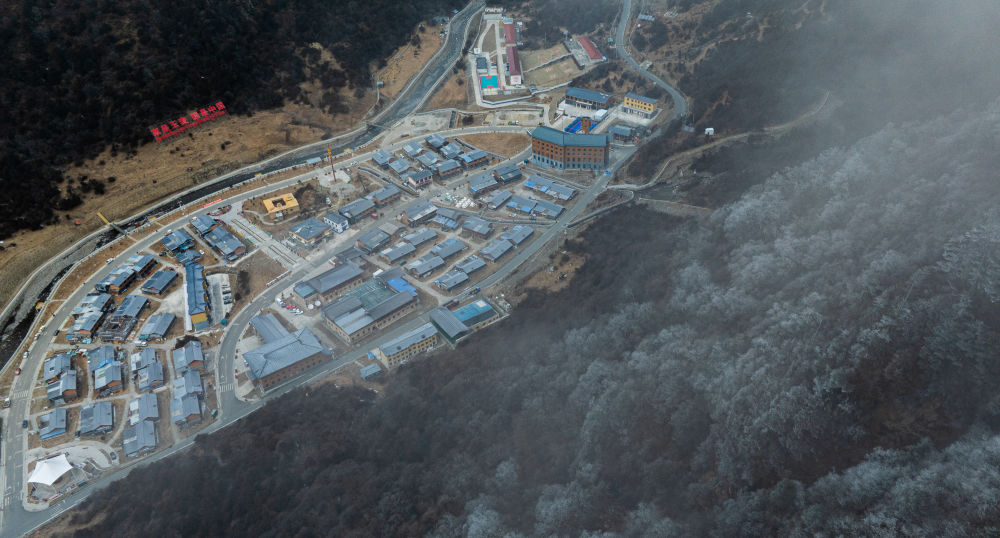
新春走基层|玉麦的新年 - 西部网(陕西新闻网)
Xin Lang Cai Jing· 2026-02-17 01:47
Core Viewpoint - The article highlights the transformation of Yuma Village in Tibet, showcasing its development from a remote area with minimal resources to a thriving community with improved living conditions and infrastructure, while emphasizing the importance of local guardianship and cultural heritage. Group 1: Development and Infrastructure - Yuma Village, located in a challenging environment, has seen significant improvements, including the introduction of 5G signals and the construction of paved roads, enhancing connectivity and living standards [6][8] - In 2025, Yuma Village welcomed 12,000 national tourists, indicating a growing interest in the region and contributing to local economic development [8] Group 2: Economic Growth and Living Standards - The per capita disposable income in Yuma Village reached 49,000 yuan in 2025, marking it as a well-off community [8] - The village has evolved from being a sparsely populated area known as the "three-person village" to a vibrant community with a strong sense of identity and purpose [6][8] Group 3: Cultural Heritage and Community - The local guardianship tradition has been preserved by families like that of Sangyequba, who have maintained their role in protecting the border and passing down cultural values to future generations [6][10] - The article emphasizes the warmth and resilience of the villagers, who continue to celebrate their heritage and adapt to modern changes [10][11]
【新春走基层·走进西海固】薛庄村:“这日子,喜气多!”
Xin Lang Cai Jing· 2026-02-16 22:33
Group 1 - The article highlights the transformation of Xue Zhuang Village in Ningxia, which was once a "hollow village" due to water scarcity, but has now revitalized with cultural activities and tourism, attracting back former residents [1][7]. - The village is currently engaged in vibrant cultural performances, including dragon dances and traditional folk dances, showcasing community spirit and cultural heritage [3][4]. - The introduction of tap water from the Yellow River has significantly improved living conditions, enabling the development of various industries, particularly in cultural tourism, which has absorbed a large workforce [7]. Group 2 - The village's cultural activities, such as shadow puppet shows and traditional celebrations, have become popular attractions, drawing in visitors and enhancing community engagement [4][6]. - The local government has played a crucial role in this transformation by providing essential resources like water, which has led to a resurgence in population and economic activity [7]. - The article emphasizes the importance of community gatherings and traditional celebrations, such as the New Year's Eve dinner, in fostering social cohesion and cultural identity [3][8].
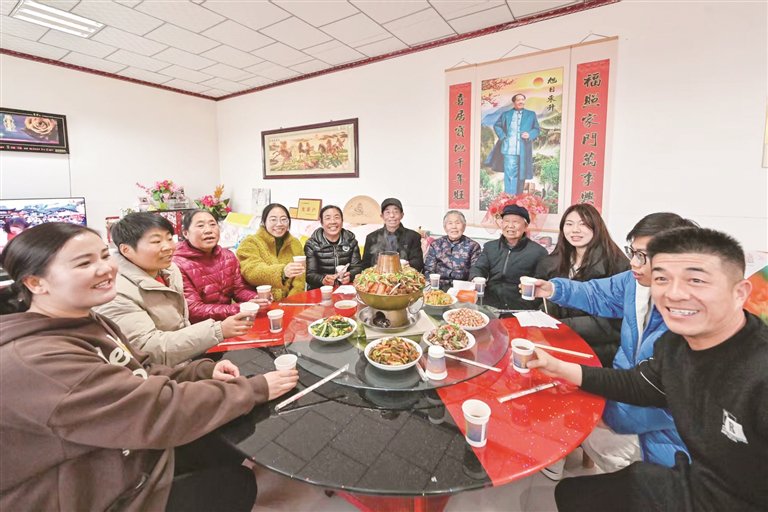
新春走基层·山乡新貌|云南大理白族山坳里的烟火与欢喜
Xin Lang Cai Jing· 2026-02-16 02:30
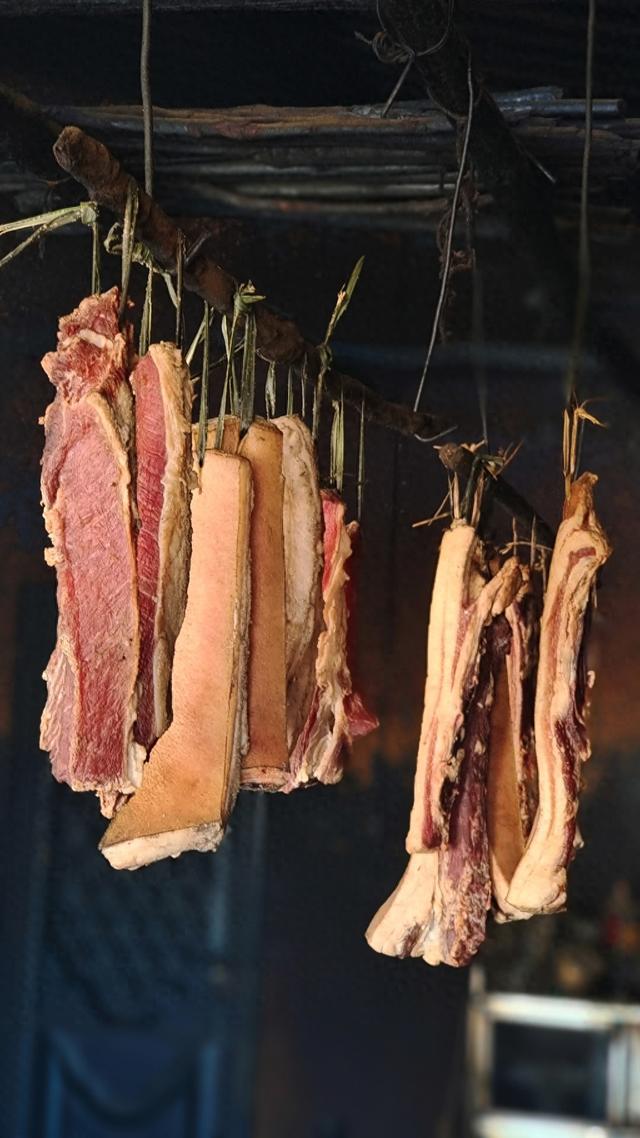
Group 1 - The article highlights the festive atmosphere in Daping Village, Yunnan, as the New Year approaches, marked by traditional activities such as pig slaughtering and communal feasting [1][11][18] - The village has undergone significant improvements, with better infrastructure and agricultural practices leading to increased income for residents, reflecting a positive change in their living standards [38] - Community gatherings remain a vital part of village life, where neighbors come together to celebrate important events, reinforcing social bonds and a sense of belonging [38] Group 2 - The preparation of traditional cured meats is a central theme, showcasing local culinary practices that contribute to the festive spirit [11][16] - The writing of Spring Festival couplets is another cultural activity that adds to the celebratory atmosphere, with villagers actively participating in this tradition [25][26] - The article emphasizes the simplicity and authenticity of rural life, contrasting it with urban hustle, and portraying the villagers' genuine happiness and hope for the future [38]
东北人家迎新年
Xin Lang Cai Jing· 2026-02-15 13:49
Core Viewpoint - The article highlights the vibrant atmosphere and community engagement during the pre-New Year celebrations in Baoqing County, Heilongjiang Province, showcasing local agricultural products and cultural activities that promote economic development and social cohesion [1][2]. Group 1: Community and Economic Development - The "Nostalgia Town New Year Goods Fair" serves as an important initiative for benefiting the community by gathering local specialty agricultural products from various townships [1]. - The event has been attracting an average of 20,000 visitors daily since its launch, continuing until the Lantern Festival, thus enhancing local tourism and economic activity [2]. - Employment opportunities have been created around the fair, allowing local elderly and women to work nearby, thereby promoting income generation and community support [2]. Group 2: Cultural Significance and Family Traditions - The fair features traditional elements such as lion dances and local handicrafts, contributing to a festive atmosphere that strengthens community bonds [1]. - Families engage in traditional activities like making dumplings together, reflecting the cultural significance of family gatherings during the New Year [2]. - The improvements in local infrastructure, such as wider roads and better housing, have made it easier for families to prepare for the New Year celebrations, enhancing their overall quality of life [2].
山村融入大市场
Ren Min Ri Bao· 2026-02-15 01:16
Core Viewpoint - The logistics and e-commerce infrastructure improvements in Wudu District, Gansu Province, have significantly enhanced the delivery speed and efficiency, benefiting local farmers and businesses. Group 1: Logistics Improvements - The road network in Longnan City has been upgraded, with 99% of natural villages now accessible via hardened roads, totaling 19,600 kilometers of national, provincial, county, township, and village roads [3] - Delivery times for packages have been reduced to approximately three days, a decrease of six to seven days compared to five years ago [3] Group 2: E-commerce Development - Wudu District has established a three-tiered distribution network, including district-level, township-level, and village-level service points, achieving a 100% delivery service coverage in villages [3] - The district has introduced nine courier companies and implemented cooperative models to enhance logistics efficiency [3] - As of last year, Wudu District had 2,325 online stores, with one company achieving over 100 million yuan in sales and 15 companies exceeding 10 million yuan [4] Group 3: Economic Impact - The introduction of pre-cooling and cold chain logistics has improved the quality and marketability of local products, such as the sale of 135,000 orders of local pepper, generating 90 million yuan in revenue and increasing farmers' income by over 20% [3] - The total e-commerce transaction volume in Wudu District reached 2.6 billion yuan [4]