
冰雪夜游

Search documents
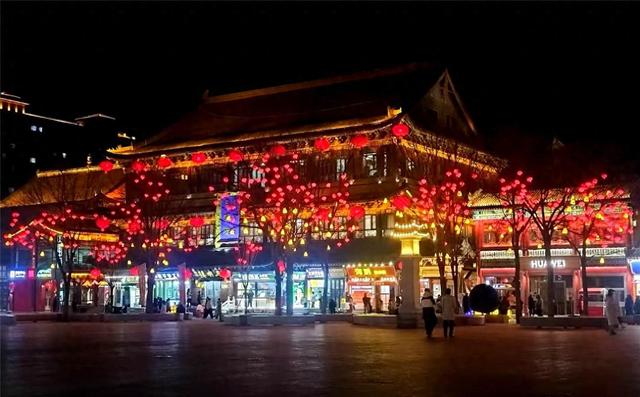
2026新春走基层 | 璀璨灯火点燃内蒙古新春夜经济
Xin Lang Cai Jing· 2026-02-21 10:03
Core Viewpoint - The article highlights the vibrant atmosphere and economic activities during the Spring Festival in Inner Mongolia, showcasing various events and initiatives that enhance nighttime economy and consumer engagement [1][7]. Group 1: Nighttime Economic Activities - The Spring Festival in Inner Mongolia features colorful lantern displays and cultural events, significantly boosting nighttime economic activities [1][7]. - In Baotou City, a large-scale lantern exhibition attracts numerous visitors, providing a one-stop experience with food markets and interactive activities [2][5]. - The "乐购新春" campaign involves distributing over 65 million yuan in consumer vouchers and organizing nearly 400 promotional events across various sectors, including retail and dining [5]. Group 2: Consumer Engagement and Preferences - Traditional and modern elements are blended in the lantern festival, appealing to families and enhancing the festive atmosphere [2]. - Popular items include handmade lanterns with prices ranging from 20 to 300 yuan, reflecting consumer interest in festive decorations [2]. - The food scene, particularly in Hohhot, sees increased foot traffic and sales due to promotional activities, with some businesses reporting a doubling of customer volume during the festival [5]. Group 3: Winter Tourism and Activities - Night skiing and winter-themed events are highlighted as key attractions, with venues like the Mazong Mountain Ski Resort offering a romantic and enjoyable experience for visitors [5]. - Various winter festivals across Inner Mongolia, such as the "Winter Night" in Ulanqab and ice carnivals in Ordos, contribute to family bonding and enhance the appeal of nighttime tourism [5].

冰雪经济中的发展之道
Ren Min Ri Bao· 2025-12-30 02:53
Core Insights - The ice and snow economy has evolved from a niche market to a trillion-yuan industry, transitioning from event-driven growth to a systematic and industrialized development phase [1] Group 1: Transformation of Ice and Snow Economy - The surge in ice and snow tourism is driven by a profound change in consumer behavior, moving beyond mere sightseeing to immersive experiences that resonate emotionally with visitors [1] - The integration of ice and snow with culture, sports, and technology has diversified offerings, allowing for better alignment with consumer demands [1] Group 2: Cultural Revitalization - Historical resources serve as valuable assets for the ice and snow economy, with innovative approaches transforming old cultural elements into new attractions [2] - The introduction of AR technology in historical sites, such as the ice and snow night tour in Luoyang, enhances visitor engagement by blending history with modern experiences [2] Group 3: Collaborative Development - The ice and snow economy thrives on collaboration, requiring a break from isolated development to create synergies across multiple attractions and regions [3] - The model of leveraging a central attraction, like the snow town in Heilongjiang, to benefit surrounding areas exemplifies effective regional cooperation [3] Group 4: Expanding Industry Boundaries - The development of the ice and snow economy must address existing gaps and leverage available resources to maximize value [4] - Initiatives such as enhancing transportation networks and developing snow equipment industries in regions like Zhejiang illustrate strategies to fill market voids and stimulate growth [4] - The rise of the ice and snow economy reflects broader trends in economic restructuring and the release of consumer potential in China [4]