冻豆包

Search documents
“冰”糖葫芦、“冰糖”葫芦?网友热议东北“冻货”正宗吃法
Xin Lang Cai Jing· 2026-01-30 23:52
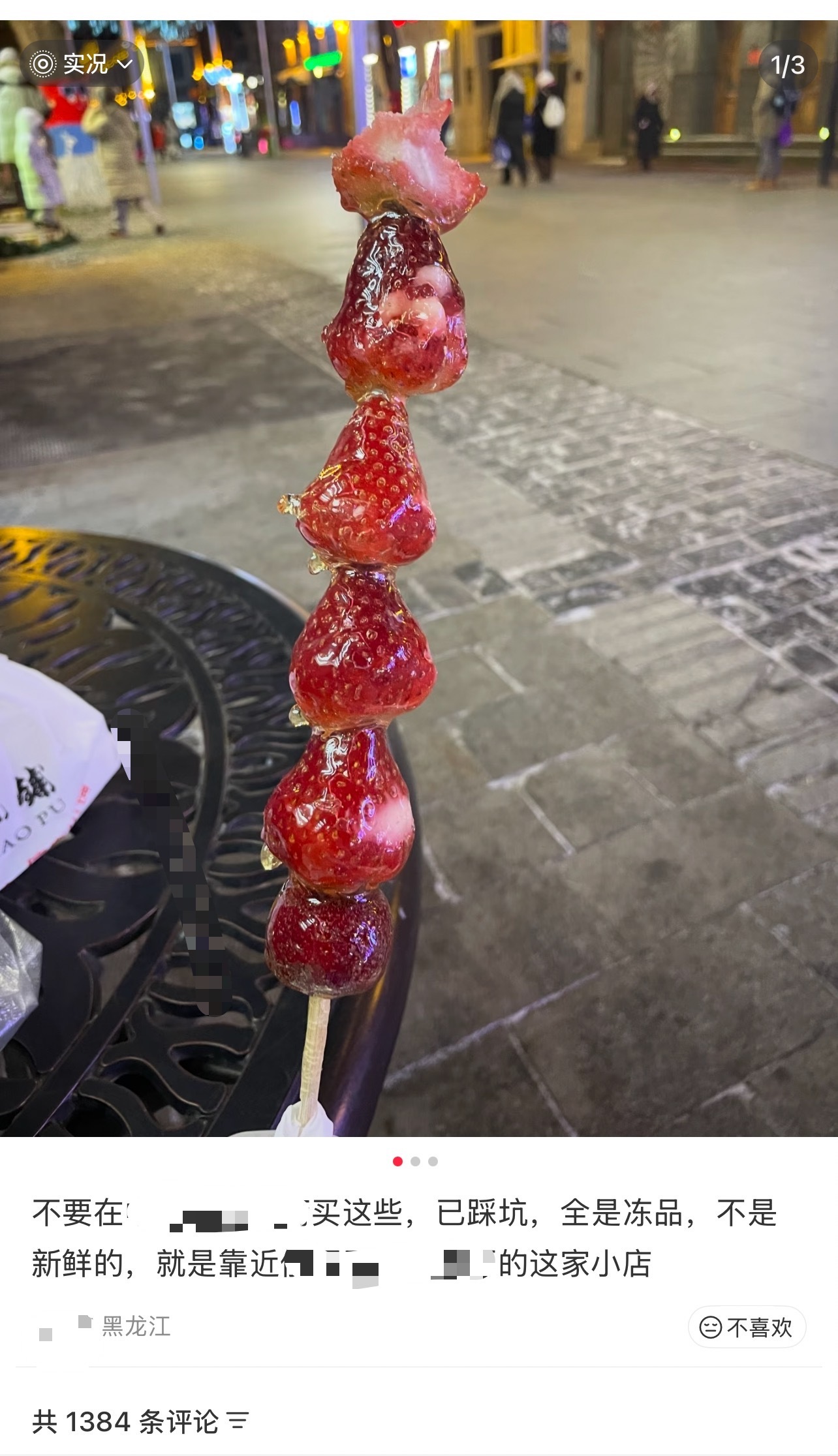
Core Viewpoint - The article discusses the unique food culture in Northeast China, particularly focusing on the winter delicacies like "frozen" snacks, which have sparked interesting discussions among netizens about regional differences in food perception and preparation [1][9]. Group 1: Northeast Food Culture - Many southern netizens shared their experiences of buying "sugar-coated hawthorn" and "frozen pears" in Harbin, expressing disappointment over their freshness, leading to a humorous discussion about regional food differences [1][6]. - In Northeast China, "frozen" sugar-coated hawthorn is considered a common snack, utilizing the natural freezing effect of the cold climate to create a unique texture that resembles ice sand [9][11]. - The traditional sugar-coated hawthorn, known as "tanghulu," varies in name and preparation across different regions, with the Northeast's version being particularly notable for its icy texture [12][14]. Group 2: Frozen Fruits and Snacks - The article highlights the "frozen fruit trio" commonly enjoyed in Northeast winters, which includes frozen pears, frozen persimmons, and frozen hawthorn fruits, enhancing sweetness and extending shelf life [18][20]. - Frozen fruits are not eaten directly; they require a thawing process, referred to as "huān" in Northeast dialect, which results in a crispy ice shell that enhances the eating experience [20]. - The article describes how frozen pears serve as a traditional New Year delicacy, providing a refreshing taste after heavy meals, and emphasizes the unique preparation methods for other frozen fruits like persimmons and hawthorn [20][21]. Group 3: Variety of Frozen Products - Besides frozen fruits, the Northeast region offers a wide array of frozen products, including frozen vegetables, dried goods, tofu, chicken, and fish, which are popular among locals and tourists alike [24][21]. - The availability of these diverse frozen goods reflects the region's adaptation to its cold climate, making it a significant aspect of local culinary culture [24][21].

百年大集焕发勃勃生机 百姓在“买买买”中品味热闹幸福新年滋味
Xin Lang Cai Jing· 2026-01-25 09:58
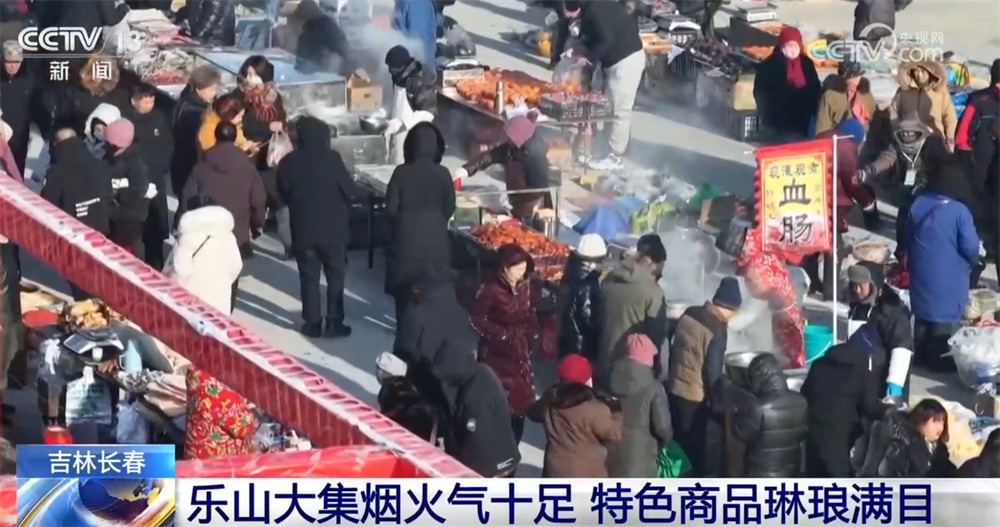
Group 1 - The core event is the bustling atmosphere of the Le Shan market in Changchun, Jilin, which has become a popular destination for both locals and tourists as the Spring Festival approaches [1] - The Le Shan market, with a history of over a century, opened on January 25, showcasing over 390 stalls and more than 2,000 types of products, providing a one-stop shopping experience for various New Year necessities [1] - The market has an average daily sales revenue of 5 million yuan, attracting visitors from various regions, including international students [9] Group 2 - The food section of the market features traditional Northeast delicacies, such as cornmeal pancakes, which have been popular among visitors, with one vendor reporting sales exceeding 600 yuan in just a few hours [3] - The market also includes a section for frozen goods, which are essential for festive gatherings, with products like frozen fish and fruits being highlighted as local favorites [6]
百年大集焕发勃勃生机 “买买买”中品味热闹幸福新年滋味
Yang Shi Wang· 2026-01-25 06:41
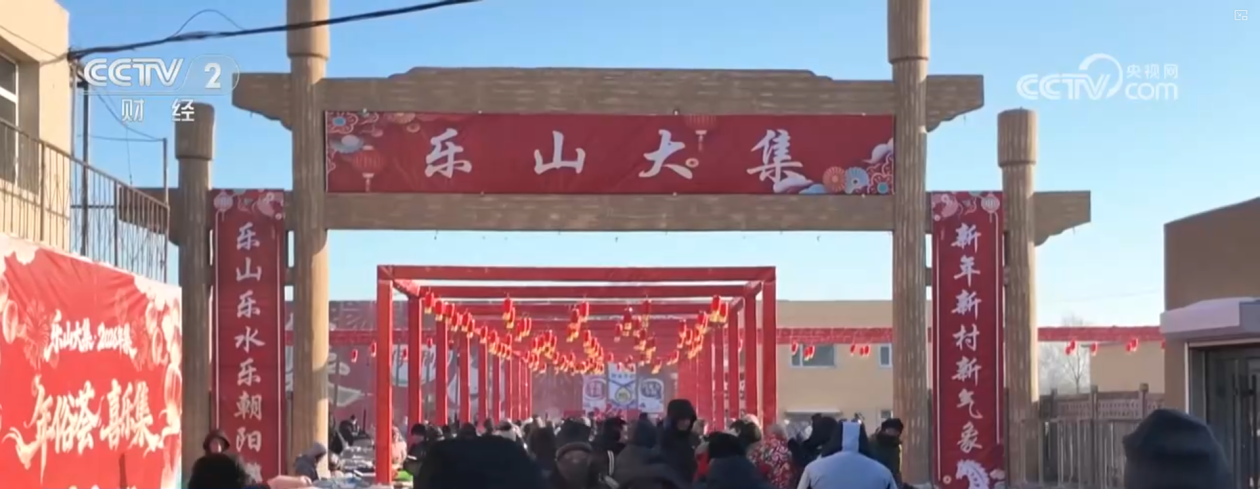
Core Viewpoint - The article highlights the vibrant atmosphere of the Le Shan market in Changchun, Jilin, as it prepares for the upcoming Spring Festival, showcasing a variety of local products and attracting both locals and tourists [1][9]. Group 1: Market Overview - The Le Shan market, with a history of over a century, opened on January 25, coinciding with the lunar calendar's seventh day of the twelfth month, and has become a hub for local goods and cultural tourism [1][3]. - The market features over 390 stalls and more than 2,000 types of products, providing a one-stop shopping experience for various New Year necessities, from groceries to festive decorations [3]. Group 2: Food and Cultural Significance - The food section of the market offers traditional Northeast delicacies, such as cornmeal pancakes, with vendors reporting significant sales, indicating strong consumer interest and nostalgia for local flavors [5]. - The market also includes a section for frozen goods, which are essential for festive gatherings, highlighting the region's unique winter climate that preserves these products effectively [7]. Group 3: Economic Impact - The average daily sales at the Le Shan market have reached 5 million yuan, demonstrating its economic vitality and appeal to a diverse range of visitors, including international students [9].
年货大集打造“农文旅融合”亮丽名片 烟火气中“线上+线下”齐享消费盛宴
Yang Shi Wang· 2026-01-25 06:15
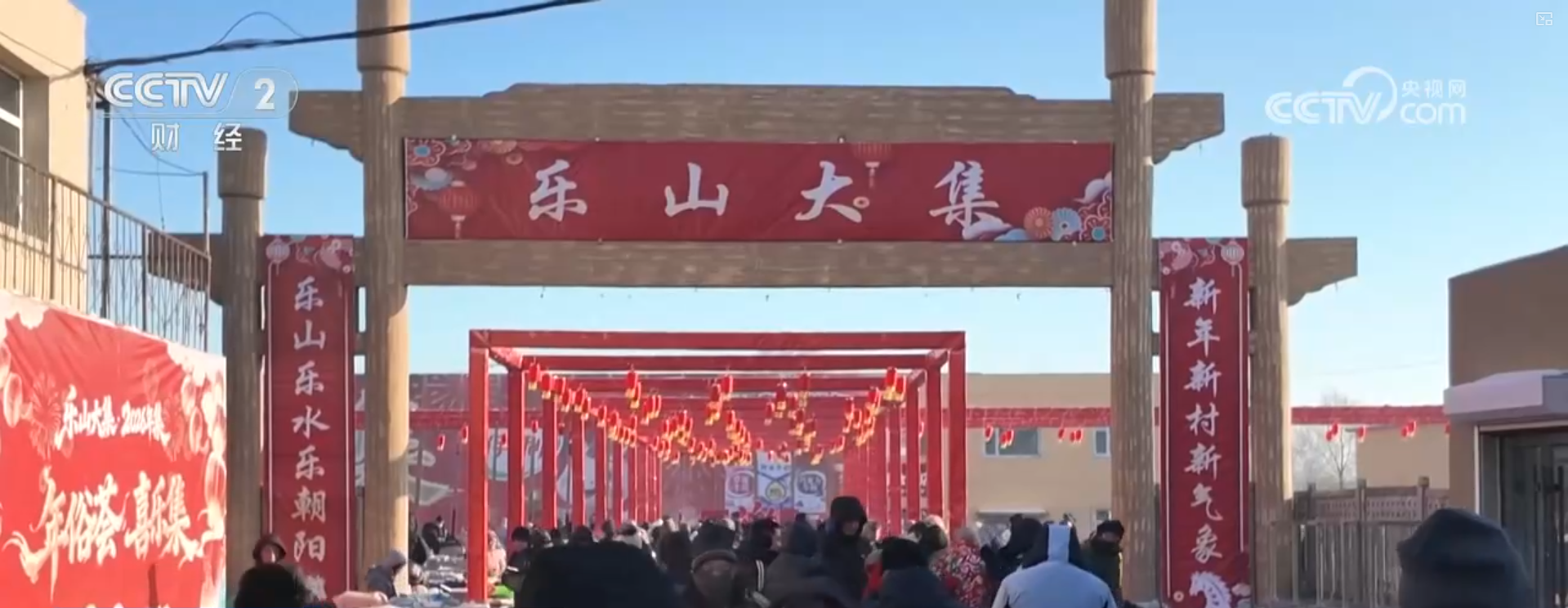
Group 1 - The core event is the traditional market known as Leshan Daji, which has a history of over a hundred years and has become a popular destination for both locals and tourists, especially as the Lunar New Year approaches [3][18] - On January 25, the market featured over 390 stalls and more than 2,000 types of products, providing a one-stop shopping experience for various New Year necessities [5][18] - The market atmosphere is lively, with a significant number of visitors enjoying local delicacies and traditional foods, enhancing the festive spirit [7][18] Group 2 - The market includes a variety of food sections, such as fresh meat and frozen goods, which are popular among local residents who prefer traditionally raised livestock [9][11] - The dried goods section is also bustling, with local farmers selling homemade dried vegetables, contributing to both their income and the preservation of local culinary traditions [14] - Modern elements have been integrated into the market, with village leaders conducting live-streaming sales for local products, showcasing a blend of tradition and innovation [16] Group 3 - In a similar vein, the annual New Year market in Yongfeng, Jiangxi, features over 200 types of local agricultural products, attracting families and showcasing ethnic cultural performances [19][25] - The event has seen significant sales, with online and offline sales exceeding 10 million yuan in a single day, indicating strong market activity and consumer interest [28] - The market not only serves as a shopping venue but also as a cultural experience, emphasizing the importance of local traditions and community engagement [30]