凯迪拉克凯雷德

Search documents
美国经销商没事找事?
汽车商业评论· 2026-02-23 23:04
Core Viewpoint - The article discusses ongoing legal disputes between BMW and Audi dealerships in New York, highlighting the growing tensions in the U.S. automotive market, particularly regarding sales performance and dealer incentives [4][5][6]. Group 1: Legal Disputes - A BMW dealership in New York has accused BMW North America of breaching contract and good faith by withholding payments due to delays in store renovations, amounting to hundreds of thousands of dollars [4]. - Another Audi dealership group has filed a lawsuit against Audi USA, claiming that the profit incentive policy linked to sales discriminates against them, as it does not provide equal rebate opportunities to all authorized dealers [5][8]. - Both BMW and Audi have denied the allegations and refrained from commenting on the lawsuits, indicating a significant strain in the dealer-manufacturer relationship [5]. Group 2: Sales Performance - Despite overall sales remaining stable year-on-year, BMW's sales in the U.S. are projected to decline by 3.4% in Q4 2025, primarily due to weakening demand for electric vehicles [5]. - Audi's situation is more severe, with a projected sales drop of 14% in 2024 and another 16% in 2025, with internal forecasts suggesting sales could fall to approximately 144,000 units in 2026, the lowest since 2012 [5][6]. Group 3: Economic Challenges - Economic affordability is becoming a critical topic in the U.S. automotive sector, with predictions of rising vehicle prices in 2026 posing challenges for the luxury car market [6][18]. - The average transaction price for new vehicles reached $47,104 in December 2025, reflecting a $715 increase from December 2024, indicating a trend of increasing vehicle costs [18]. - Analysts warn that maintaining growth in the U.S. automotive market in 2026 may be difficult due to economic uncertainties and rising costs associated with tariffs [18]. Group 4: Dealer Challenges - U.S. automotive dealers are facing a crisis in customer retention for after-sales services, with a significant decline in loyalty as consumers shift to independent repair shops [20][22]. - The average age of vehicles is increasing, but loyalty to the dealership for maintenance has dropped, with only 54% of owners of vehicles aged two years or less returning to their purchasing dealer for service, down from 72% in 2023 [20]. - Customer dissatisfaction is primarily due to unexpected charges and poor communication, with 45% of vehicle owners expressing dissatisfaction with dealership service experiences [22]. Group 5: Recommendations for Dealers - Dealers are encouraged to reassess their after-sales strategies to regain market share and improve customer retention rates [20]. - Implementing digital tools for better communication and offering modern conveniences such as flexible service appointments could enhance customer satisfaction [22]. - Dealers are missing opportunities to engage customers with significant repair needs, as many are willing to consider trade-ins, but most dealers do not proactively offer valuation services [22].

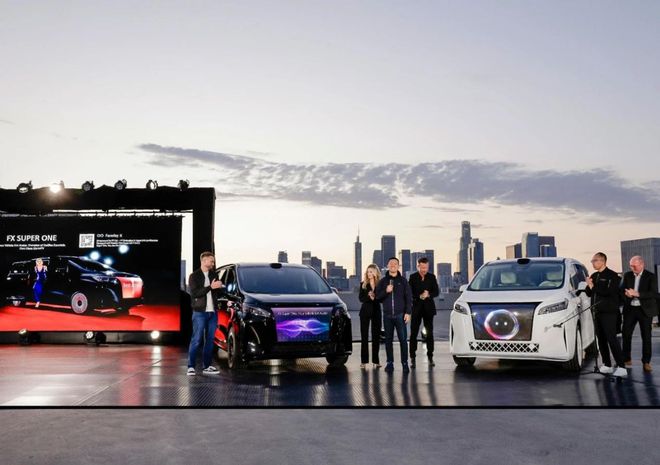
魏建军回应与贾跃亭合作造车:系中间商操作,长城没直接参与
Nan Fang Du Shi Bao· 2025-09-12 03:33
Core Viewpoint - The collaboration between Faraday Future (FF) and Great Wall Motors regarding the Super One model is primarily an intermediary operation, with Great Wall not directly involved in the assembly process, although the chairman expressed a positive outlook on such collaboration for Chinese automakers [1][3]. Group 1: Company Developments - FF launched its sub-brand FX and introduced the Super One model, which is expected to begin deliveries by the end of 2025, with a projected price under $80,000 (approximately 580,000 RMB) [3]. - The Super One model has been noted for its striking resemblance to Great Wall's Weipai Gaoshan 9, leading to allegations of design plagiarism against FF [3]. - Reports indicate that the FX Super One is actually a model developed in collaboration with Great Wall, which is one of the four Chinese partners in FF's proposed Sino-American automotive industry bridge strategy [3]. Group 2: Industry Reactions - Great Wall's chairman, Wei Jianjun, acknowledged the potential benefits of such intermediary collaborations for Chinese automotive companies, despite the lack of direct involvement in the Super One project [1]. - FF's global president, Wang Jiawei, stated that the Super One was developed in partnership with Chinese industry collaborators, denying any claims of plagiarism [3].


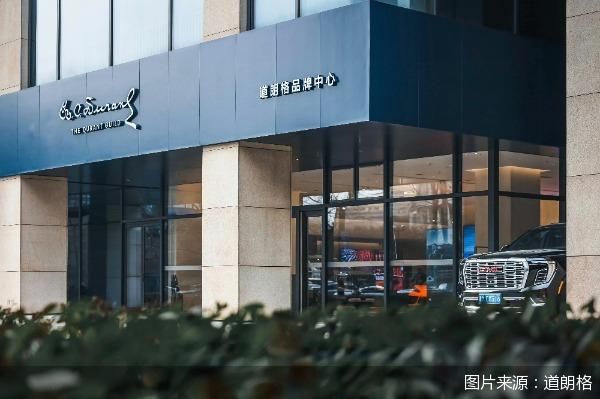
筹备两年多,交付不到两个月,通用汽车重组进口车平台道朗格
Bei Jing Shang Bao· 2025-05-15 13:56
Core Viewpoint - General Motors (GM) has decided to restructure its high-end imported vehicle platform, Daolang, in China due to significant changes in the economic environment and to optimize its operations in the region [2][3]. Group 1: Business Operations - Daolang was officially launched on September 20, 2022, as GM's high-end imported vehicle and lifestyle platform, featuring models such as Chevrolet Tahoe, GMC Yukon, Chevrolet Corvette, Hummer EV SUV, Hummer EV Pickup, and Cadillac Escalade, all manufactured in the U.S. [2][3]. - Following the initial deliveries in March 2023, Daolang announced a halt on accepting new orders from the Chinese market, retaining only "intention orders" [3][4]. - GM's imported vehicle sales in China account for less than 0.1% of its total sales, indicating poor performance in the imported vehicle segment [3][4]. Group 2: Market Challenges - The ongoing U.S.-China tariff war is cited as a direct reason for the closure of Daolang's import business, with potential tariff risks leading to increased vehicle prices [3][4]. - Despite significant investments in marketing and brand positioning for Daolang, the imported vehicle sales have been disappointing, with projections indicating fewer than 500 units sold from 2022 to 2024 [4][5]. - In 2024, specific models like Chevrolet Corvette, Chevrolet Tahoe, GMC Yukon, and Hummer EV are expected to have a cumulative sales of only 75 units [4][5]. Group 3: Strategic Adjustments - GM has increased its investment in Daolang's brand awareness through offline experiences and marketing strategies, establishing 15 brand and experience centers in high-end commercial areas [4][5]. - In January 2023, GM announced a leadership change, appointing the China region's Chief Product Officer to also oversee Daolang, indicating a strategic shift in management to improve operations [5].