利司那肽注射液

Search documents
跨国药企的中国“棋局”:进退间找寻“价值竞争”定位
2 1 Shi Ji Jing Ji Bao Dao· 2025-10-27 07:02
Core Insights - The recent announcement by the National Medical Products Administration (NMPA) to cancel the registration of 80 drugs, primarily from foreign pharmaceutical companies, reflects strategic market adjustments rather than a long-term withdrawal from the Chinese market [1][2][11] - The Chinese medical market is projected to grow significantly, from $1.4 trillion in 2014 to $2.1 trillion by 2030, indicating strong potential for both foreign and domestic pharmaceutical companies [1][8] Group 1: Market Dynamics - Over 55% of the canceled drug registrations are from foreign or joint-venture pharmaceutical companies, highlighting their significant presence in the market [1] - The reasons for drug cancellations include raw material shortages, declining market performance, and competitive pressures from centralized procurement policies [2][3] - The market is experiencing a dual phenomenon of "exit and return," where some original research drugs are leaving the market while others are re-entering after strategic adjustments [1][4] Group 2: Strategic Adjustments - Companies like Sanofi and GSK have withdrawn certain products due to poor sales performance and competitive pricing pressures from domestic firms [2][3] - The trend of original research drugs exiting the market is seen as a temporary strategy to avoid damaging brand value in a highly competitive environment [5][11] - The return of some original research drugs, such as the enzyme replacement therapy for a rare disease, demonstrates the feasibility of re-entering the market through policy channels [4][5] Group 3: Future Opportunities - The Chinese pharmaceutical market is expected to see a shift towards innovative drugs, with their market share projected to increase from 34% in 2024 to nearly 60% by 2030 [9][10] - Cross-border collaborations are on the rise, with a significant increase in partnerships between Chinese and American companies, indicating a growing interest in the Chinese market [10][11] - Companies are encouraged to focus on value competition rather than price competition, particularly in the context of an aging population and increasing demand for quality medications in county-level markets [7][11]
多款进口药退出中国 涉及抗过敏、肿瘤等领域的畅销品
Guo Ji Jin Rong Bao· 2025-10-21 15:28
Core Viewpoint - The recent decision by the National Medical Products Administration to cancel the registration certificates of 80 drugs, including commonly used medications, has led to significant price increases for certain products, such as the compound drug Taining suppository, which is now priced over 900 yuan for a box of six [1][2]. Group 1: Drug Cancellations - The cancellation includes various commonly used drugs, such as loratadine tablets, finasteride tablets, and vitamin B2 tablets, all of which were voluntarily requested by the companies, indicating a strategic business decision rather than a response to safety concerns [2][3]. - The majority of the cancelled drugs are not exclusive products, meaning that other companies holding similar product registrations can continue their production and sales, mitigating potential supply shortages [2][3]. Group 2: Foreign Pharmaceutical Companies - Over 40 of the cancelled drugs are produced by foreign companies, reflecting a strategic adjustment in response to the implementation of national centralized procurement policies that have significantly reduced drug prices [2][3]. - Notable products among the cancellations include loratadine tablets from Fecar Huari, salbutamol inhalation solution from GlaxoSmithKline, and the compound drug Taining suppository from Xi'an Janssen, all of which were once market leaders [2][3]. Group 3: Market Dynamics - The cancellation of these drugs is indicative of a broader trend where foreign pharmaceutical companies are shifting their focus to more competitive innovative drugs due to declining profit margins on original drugs amid increasing competition from generic products [3][4]. - The market for inhalation medications, such as salbutamol, is becoming increasingly competitive as domestic companies improve their product quality and pricing, leading to a loss of market share for original products [4][5]. - The ongoing price control measures for chronic disease medications, including diabetes drugs, are further squeezing the profit margins of original drugs, prompting companies to rationally decide to cancel their product registrations when market returns do not cover operational costs [5].
多款进口药退出中国,涉及抗过敏、肿瘤等领域的畅销品
Guo Ji Jin Rong Bao· 2025-10-21 14:36
Core Viewpoint - The recent decision by the National Medical Products Administration to cancel the registration certificates of 80 drugs, including commonly used medications, has led to significant price increases for certain products, such as the compound drug Taining suppository, which is now priced over 900 yuan for a box of six [1][3]. Group 1: Drug Cancellations - A total of 80 drugs, including popular medications like loratadine tablets and finasteride tablets, have been voluntarily deregistered by the manufacturers, indicating a strategic business decision rather than regulatory enforcement [3][5]. - The deregistered drugs are not exclusive products, allowing other companies with similar generic products to continue production and sales, which mitigates potential supply shortages [3][5]. - Over 40 of the deregistered drugs are produced by foreign companies, reflecting a response to the implementation of national centralized procurement policies that have significantly reduced drug prices [3][4]. Group 2: Market Impact - The deregistration of drugs like Taining suppository and loratadine tablets is attributed to a lack of sustainable raw material supply and the need for foreign companies to adjust their sales strategies to maintain profit margins [5][6]. - The cancellation of key oncology drugs, such as doxorubicin injection, highlights the challenges faced by original drug manufacturers due to the rapid growth of generic alternatives and ongoing price pressures from centralized procurement policies [5][6]. - The market for inhaled medications, such as salbutamol solutions, is also affected, as domestic companies are increasingly able to produce high-quality generics at competitive prices, further squeezing the market share of original products [6][7].
多款知名进口药告别国内市场,个别集采品种注销
Guan Cha Zhe Wang· 2025-10-21 13:13
Core Viewpoint - The National Medical Products Administration (NMPA) has announced the cancellation of registration certificates for 80 drugs, including Fecarwei's Loratadine tablets, indicating a shift in the pharmaceutical landscape where foreign and joint-venture companies are withdrawing products in response to domestic competition and policy changes [1][2]. Group 1: Drug Cancellations - The cancellation of the Loratadine tablets (10mg) by Fecarwei is a voluntary decision, reflecting a commercial choice rather than regulatory enforcement [1][2]. - Over 55% of the cancelled products are from foreign companies, highlighting the impact of domestic pharmaceutical policies on international players [1]. - The cancellation of older registration numbers, such as that of Loratadine, suggests a strategic withdrawal from the market rather than a response to safety concerns [2][3]. Group 2: Market Dynamics - The domestic pharmaceutical industry has undergone significant changes due to centralized drug procurement and price negotiations, leading to the rise of local companies and the reevaluation of foreign companies' strategies in China [1][2]. - The presence of multiple manufacturers for Loratadine in China (35 for 10mg and 16 for 5mg) indicates a competitive market where the impact of a single product's cancellation is minimal for patients [3]. - Other notable cancellations include GSK's inhalation solution for Salbutamol and Pfizer's Doxorubicin injection, both of which are significant in their respective therapeutic areas [4][6]. Group 3: Implications for Future Products - The trend of foreign companies withdrawing from the market is evident with the cancellation of products like Metformin and Empagliflozin tablets by Boehringer Ingelheim, indicating a strategic retreat from upcoming centralized procurement rounds [5]. - The cancellation of high-revenue drugs, such as Doxorubicin, suggests a shift in focus towards more profitable or competitive products, as seen with the lipid formulation of Doxorubicin which has a much larger market presence [6]. - The withdrawal of drugs like Liraglutide by Sanofi reflects the challenges faced by older GLP-1 drugs in maintaining market share against newer entrants [8][9].
80个药品注册证书注销背后:中国医药摆脱“批文经济”的阵痛
Guan Cha Zhe Wang· 2025-10-21 08:30
Core Insights - The National Medical Products Administration (NMPA) has announced the cancellation of 80 drug registration certificates, including loratadine tablets, highlighting a significant regulatory shift in China's pharmaceutical industry [1] - Over the past year, NMPA has canceled a total of 626 drug registration certificates, with 89% of these being voluntarily withdrawn by companies, indicating a trend towards industry consolidation and stricter regulations [1][7] - The cancellation of loratadine tablets reflects a broader issue of overcapacity in China's generic drug market, where competition has intensified significantly [2][5] Industry Trends - The Chinese pharmaceutical industry is undergoing a critical phase characterized by increased regulatory scrutiny, normalization of centralized procurement, and accelerated industry consolidation [1][7] - The era of "approval economy" is ending, leading to a drastic reduction in the survival space for low-quality generic drugs [1][7] - The market for loratadine is dominated by a few key players, with Yangtze River Pharmaceutical holding nearly 60% market share, while over 90 companies struggle for the remaining 25% [6] Company Dynamics - Major international pharmaceutical companies are withdrawing from the Chinese market, as seen with Sanofi and Merck Sharp & Dohme canceling multiple product registrations due to competitive pressures and pricing challenges [8][10] - Local companies are also forced to make tough decisions, with Taicang Pharmaceutical canceling 11 products, including commonly used medications, as a response to the pressures of centralized procurement [11][13] - The case of Hengrui Medicine voluntarily canceling a cancer drug registration signals a strategic shift towards innovation rather than competing in the generic drug space [14]


氯雷他定、万托林在列 进口药密集退出国内市场
Xi Niu Cai Jing· 2025-10-21 03:08
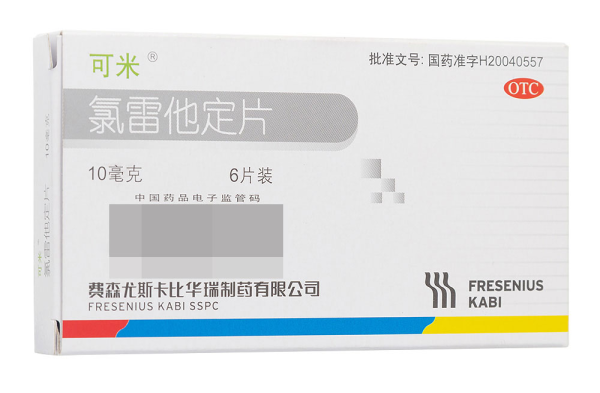
Core Points - The National Medical Products Administration (NMPA) announced the cancellation of registration certificates for 80 drugs, including well-known imported medications such as Fexofenadine tablets and Salbutamol inhalation solution [2][5] - Over 55% of the canceled drugs are from foreign pharmaceutical companies or joint ventures, while the remainder are from domestic companies [5] - The cancellations cover multiple therapeutic areas, including allergy treatment, respiratory diseases, diabetes, and oncology [5] - All cancellations were initiated by the companies themselves, indicating a commercial decision rather than safety concerns [5] Drug Specifics - Fexofenadine tablets (10mg) are used for allergic rhinitis and are classified as a Class A over-the-counter and Class A medical insurance drug, also part of the fourth batch of national centralized procurement [5] - GlaxoSmithKline's Salbutamol, an important emergency medication for asthma and COPD patients, is also part of the fourth batch of centralized procurement [5] - Other notable drugs in the cancellation list include Pfizer's Doxorubicin injection, Janssen's Tainin suppository, and Sanofi's GLP-1 diabetes drug Liraglutide injection [5] - Boehringer Ingelheim has preemptively canceled the approval for Dapagliflozin tablets, which were set to be included in the upcoming eleventh batch of centralized procurement, thus forfeiting its qualification for the next round of procurement [5] Market Impact - The withdrawal of these imported drugs is expected to have a limited impact on patient medication options, as there are many high-quality generic alternatives available in the domestic market that have passed consistency evaluations [5]
多款知名进口药告别国内市场
Xin Lang Cai Jing· 2025-10-20 01:34
Core Viewpoint - The National Medical Products Administration (NMPA) has announced the cancellation of registration certificates for 80 drugs, including the antihistamine Loratadine tablets (10mg) from Ferring Pharmaceuticals, indicating a shift in the pharmaceutical landscape in China, particularly affecting foreign and joint-venture companies [1][4]. Group 1: Drug Cancellations - The cancellation of the registration certificates for these drugs is categorized as "voluntary cancellation," suggesting a strategic business decision by the companies rather than regulatory enforcement or health concerns [1][4]. - Over 55% of the cancelled products are from foreign companies, highlighting the competitive pressure faced by multinational pharmaceutical firms in the Chinese market [1][4]. - The cancelled Loratadine tablets, known as "Kemi," have been on the market for over 20 years, indicating that the cancellation pertains to older product registrations [4][5]. Group 2: Market Dynamics - The domestic pharmaceutical industry has undergone significant changes due to policies like centralized drug procurement and price negotiations, leading to the rise of local companies and a reevaluation of foreign firms' strategies in China [1][4]. - The presence of multiple manufacturers for Loratadine tablets (35 for 10mg and 16 for 5mg) suggests that the impact of the cancellation on patient access to medication will be minimal [6][8]. - Other notable cancellations include GSK's inhalation solution for Salbutamol and Pfizer's Doxorubicin injection, both of which are significant in their respective therapeutic areas [7][9]. Group 3: Implications for Future Products - The cancellation of the Dapagliflozin and Metformin combination tablets by Boehringer Ingelheim indicates a strategic withdrawal from upcoming centralized procurement rounds, reflecting the competitive nature of the diabetes medication market [8][9]. - The cancellation of high-profile oncology drugs like Doxorubicin and the rare disease treatment Vimizim underscores the importance of commercial viability in determining a drug's market presence [9][14]. - The withdrawal of drugs from the GLP-1 category, such as Liraglutide by Sanofi, suggests a shift in focus towards more competitive products within the diabetes treatment landscape [12][13].