
别克GL8 MPV

Search documents
“国补”新政落地,江苏家电汽车市场掀起新一轮“焕新”热潮
Xin Lang Cai Jing· 2026-01-02 15:24
Core Viewpoint - The 2026 national subsidy policy for replacing old consumer goods has been officially implemented in Jiangsu, leading to a surge in consumer enthusiasm and market activity in home appliances, automobiles, and digital smart products [1][3]. Group 1: Policy Overview - The 2026 national subsidy policy has three major upgrades: expanded support scope, precise subsidy standards, and efficient implementation mechanisms [3]. - The support scope now includes the installation of elevators in old residential areas, equipment for elderly care institutions, firefighting facilities, and commercial consumer facilities, alongside the existing categories of automobiles and six types of home appliances [3]. - Subsidity standards have been upgraded, with automotive subsidies shifting from fixed amounts to a percentage of the vehicle price, and home appliance subsidies focusing on energy-efficient products [3]. Group 2: Market Response - The launch of the subsidy policy has resulted in a booming market for home appliances and digital products, with nearly 10,000 items included in the subsidy pool on platforms like JD.com [4]. - Retailers have adjusted their operations to accommodate the increased consumer demand, with some stores opening earlier to handle the influx of customers [4]. - Online orders have also surged, with consumers quickly receiving their purchases, demonstrating the efficiency of the subsidy implementation [5]. Group 3: Automotive Market Dynamics - The automotive market is experiencing a significant uptick in consumer activity, with many dealerships reporting high foot traffic and sales due to the new subsidy policies [5][6]. - Consumers can receive up to 20,000 yuan in subsidies for vehicle replacements, further incentivizing purchases [5]. - Dealerships are offering additional benefits, such as low-interest financing and manufacturer subsidies, to attract buyers [6]. Group 4: Consumer Experience and Feedback - The optimization of subsidy mechanisms has enhanced the consumer experience, with local registration requirements for new vehicles ensuring better service [7]. - Consumers have expressed satisfaction with the dual benefits of the subsidies, leading to increased sales and a positive outlook among retailers [7]. - Various local initiatives have been introduced to streamline the subsidy application process, making it easier for consumers to access benefits [8]. Group 5: Future Outlook - The continuous refinement of local implementation details and the expansion of participating merchants are expected to sustain the momentum in the consumer goods market [8]. - The policy is anticipated to significantly boost consumer spending and improve living standards, contributing positively to the overall economy [8].


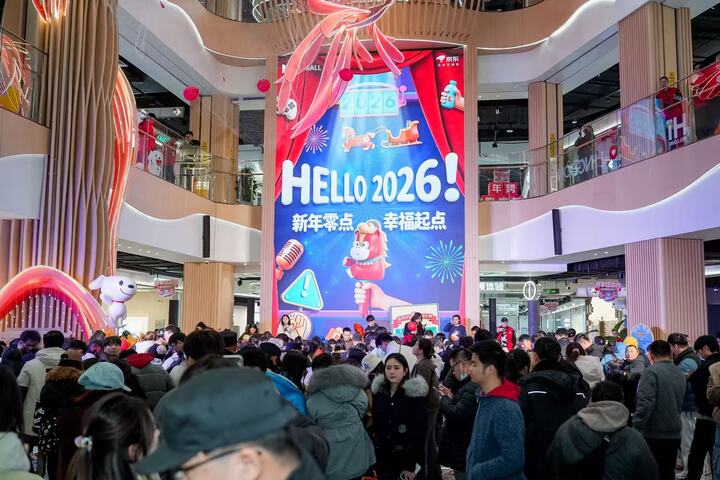
家电、汽车、数码智能产品销售迎来“开门红”国补升级 点燃新年消费第一把火
Xin Hua Ri Bao· 2026-01-02 00:22
Core Insights - The 2026 national subsidy policy for replacing old consumer goods has been implemented in Jiangsu, leading to a surge in sales for home appliances, automobiles, and digital smart products as consumers take advantage of the subsidies [1][2] Group 1: Policy Overview - The 2026 national subsidy policy includes three major upgrades: expanded support scope, upgraded subsidy standards, and efficient implementation mechanisms [1][2] - The support scope now includes the installation of elevators in old residential areas, equipment for elderly care institutions, and fire rescue facilities, in addition to traditional categories like automobiles and home appliances [1] - Subsidy standards have been refined, with automotive subsidies shifting from fixed amounts to a percentage of the vehicle price, and home appliance subsidies focusing on energy-efficient products [1][2] Group 2: Market Response - The launch of the subsidy policy has resulted in a booming market for home appliances and digital products, with major retailers like JD.com offering nearly 10,000 products eligible for subsidies [2][3] - Retailers have adjusted their operations to accommodate increased consumer demand, with some stores opening earlier to handle the influx of customers [2][3] - The automotive market is experiencing a significant uptick in consumer interest, with many consumers eager to take advantage of the new subsidies and promotional offers [3][4] Group 3: Consumer Experience - The implementation of the subsidy policy has improved consumer experience, with local regulations requiring new vehicles to be registered in the same area to better serve local customers [5] - Retailers are offering additional incentives, such as low-interest financing and trade-in bonuses, to attract consumers who have been waiting for favorable conditions to purchase new vehicles [4][5] - Various channels for applying for subsidies have been established, making it easier for consumers to access the benefits [6]
国补升级,点燃新年消费第一把火
Xin Lang Cai Jing· 2026-01-01 21:51
Core Insights - The 2026 national subsidy policy for replacing old appliances and vehicles has been implemented in Jiangsu, leading to a surge in consumer spending on home appliances, automobiles, and digital products [1][2][3] Group 1: Policy Overview - The 2026 subsidy policy expands support to include the installation of elevators in old residential areas, equipment for elderly care institutions, and fire rescue facilities, in addition to traditional categories [1] - The subsidy standards have been upgraded, with automotive subsidies shifting from fixed amounts to a percentage of the vehicle price, and household appliances focusing on energy-efficient products [1][2] - The implementation mechanism is designed to be efficient and transparent, with strict measures against fraudulent claims and a pre-allocation of funds to ease the financial burden on companies [2] Group 2: Market Response - The launch of the subsidy policy has resulted in a booming market for home appliances and digital products, with major retailers like JD.com offering nearly 10,000 products eligible for subsidies [2][3] - In the automotive sector, there has been a notable increase in consumer activity, with some dealerships reporting a more than 50% increase in foot traffic on the first day of the new year [4][5] - Consumers are taking advantage of multiple overlapping benefits, including manufacturer subsidies and low-interest financing options, leading to a significant uptick in vehicle purchases [4][5] Group 3: Consumer Experience - The new policy requires that vehicles be registered locally, enhancing service precision for local customers and ensuring compliance with subsidy requirements [5] - Various channels for subsidy qualification have been established, including mobile payment platforms, making it easier for consumers to access benefits [6] - Retailers are optimistic about meeting sales targets ahead of the Lunar New Year, driven by the renewed consumer interest sparked by the subsidy policy [5][6]