加拿大农产品

Search documents
推翻上届政府“禁令”,加拿大联邦法院允许TikTok继续运营
Huan Qiu Shi Bao· 2026-01-22 22:48
Group 1 - The Canadian Federal Court overturned the government's order to shut down TikTok's operations in Canada, allowing the app to continue operating temporarily and requiring a review by the Minister of Innovation, Science and Industry [1][2] - The previous order was issued by the Canadian government citing national security risks, but the court's decision indicates a potential shift in the government's stance towards TikTok and its operations in Canada [1][2] - TikTok's Canadian spokesperson welcomed the court's decision, emphasizing the importance of retaining the Canadian team for future growth and investment, which could benefit the local economy and job market [2] Group 2 - The recent diplomatic visit by the Canadian Prime Minister to China has led to a thawing of relations, with both countries reaching a consensus on trade issues, including a strategic agreement allowing the import of Chinese electric vehicles at a preferential tax rate [3][4] - The agreement is significant for diversifying Canada's automotive market and addressing unemployment in the sector, while also providing opportunities for Canadian agricultural products in the Chinese market [3] - China's Ministry of Commerce expressed that Canada's adjustment regarding the import of Chinese electric vehicles is a positive step towards market expansion [3][4]
加拿大总理送豪礼!访华第三天宣布:将进口4.9万辆中国电动汽车
Sou Hu Cai Jing· 2026-01-17 05:13
Core Insights - Canada has significantly reduced tariffs on Chinese electric vehicles from 100% to 6.1%, allowing the import of up to 49,000 units, marking a return to pre-trade conflict conditions [3][5] - This policy shift is seen as a rational correction to previous trade policies that failed to protect local industries effectively while increasing consumer costs [5][10] - The adjustment reflects Canada's recognition of the competitive advantages of the Chinese electric vehicle industry, which has established a comprehensive supply chain and technological leadership [7][8] External Factors - The Chinese electric vehicle industry has developed a strong global presence, with advantages in core component development, vehicle manufacturing, and after-sales service [7] - Chinese automakers are expanding their market share not only in Asia but also in Europe, Southeast Asia, and Latin America, becoming essential players in the global new energy supply chain [8] Internal Considerations - Canada’s previous reliance on the U.S. for trade has exposed it to risks, as seen in recent trade disputes that have affected its manufacturing and agricultural sectors [10] - The decision to allow Chinese electric vehicles is a strategic move to diversify trade relationships and enhance domestic supply options while supporting energy transition goals [10] Broader Implications - The tariff reduction is part of a larger effort to improve Canada-China relations, with both countries seeking to enhance cooperation in various sectors, including clean energy and agriculture [12][14] - The joint statement from both nations emphasizes a commitment to resolving trade differences through dialogue and collaboration, moving towards a more integrated economic partnership [14] Market Dynamics - The entry of Chinese electric vehicles is expected to increase competition in the Canadian market, potentially benefiting consumers with more choices and lower prices [18][20] - While some local companies express concerns about increased competition, the overall market dynamics may drive innovation and efficiency within the domestic industry [20] Future Outlook - The successful implementation of this policy and the potential for ongoing cooperation between Canada and China will depend on various factors, including political dynamics and market responses [22] - This policy shift signifies a new phase in Canada’s trade strategy, moving away from a singular focus on the U.S. and towards a more independent and balanced approach [22]

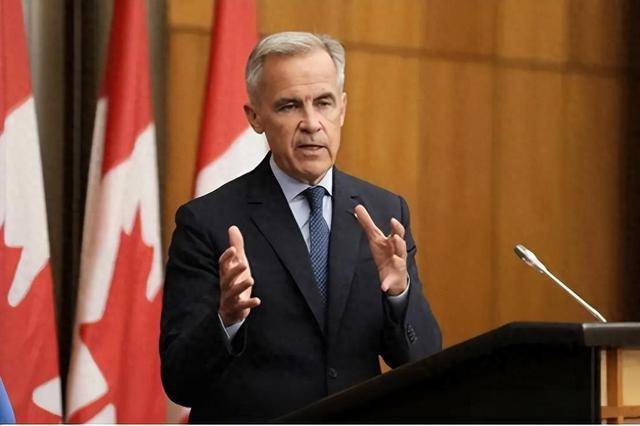
Canada cuts tariff on Chinese EVs in exchange for lower tariffs on Canadian farm products
Fastcompany· 2026-01-16 20:19
Core Viewpoint - Canada has decided to eliminate its 100% tariff on Chinese electric cars in exchange for reduced tariffs on Canadian agricultural products, as stated by Prime Minister Mark Carney [1] Group 1 - The agreement marks a significant shift in Canada's trade policy towards China, moving away from alignment with U.S. tariffs [1] - The reduction in tariffs on Chinese electric cars is expected to enhance competition in the Canadian automotive market [1] - The deal aims to benefit Canadian farmers by lowering tariffs on their products, potentially increasing their market access [1]