北京礼物新春礼单

Search documents
北京春节文旅市场“人财两旺”
Bei Jing Wan Bao· 2026-02-24 05:51
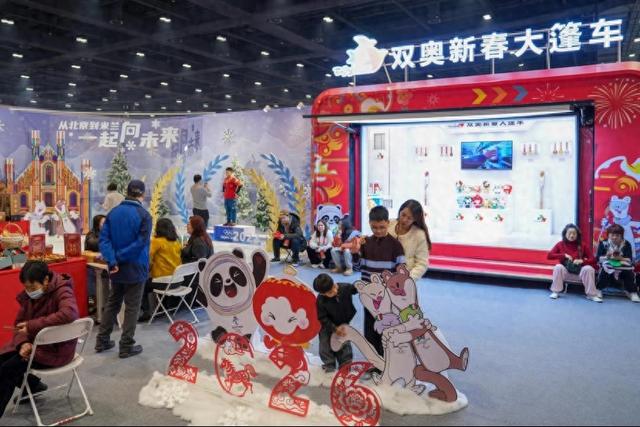
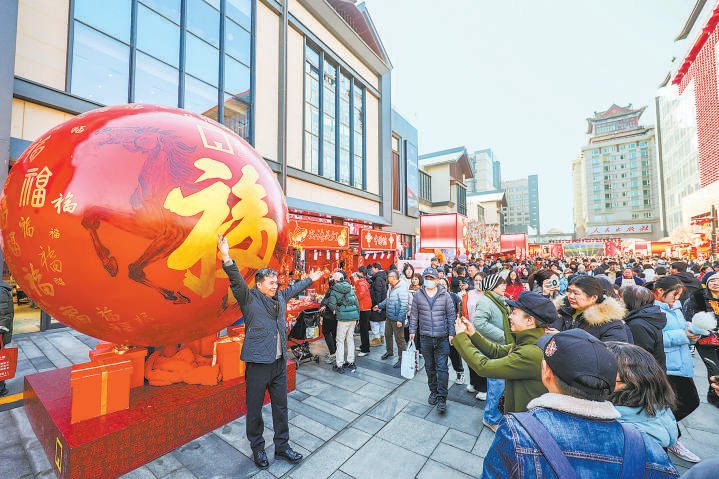
Core Insights - The Beijing cultural and tourism market during the 2026 Spring Festival showcased vibrant consumer activity, with a total of 19.84 million visitors and a tourism expenditure of 33.14 billion yuan over the 9-day holiday period [1] Group 1: Tourism and Visitor Statistics - The Spring Festival saw a record number of visitors, with 19.84 million tourists contributing to a total tourism expenditure of 33.14 billion yuan [1] - The average daily visitor count reached approximately 2.21 million, reflecting a strong interest in traditional and modern cultural experiences [7] Group 2: Cultural Events and Activities - Over 40 unique temple fairs and lantern festivals were held, marking a new high in both quantity and scale, blending traditional customs with technological experiences [4] - The "Beijing Gift" sales exceeded 10 million yuan, indicating a strong market for local cultural products during the holiday [4] Group 3: Commercial Activity and Consumer Trends - The "New Year Shopping" theme led to over 460 activities across various commercial districts, with notable increases in foot traffic, such as a 4.2 times increase in the Longfu Temple area [6] - Key commercial sectors, including retail and dining, achieved a total sales figure of 8.45 billion yuan, reflecting a year-on-year growth of 12.4% [6] Group 4: Park and Outdoor Activities - City parks welcomed 12.58 million visitors during the holiday, with a daily average of 1.39 million, marking an 18.79% increase year-on-year [7] - Major parks like the Temple of Heaven and Summer Palace were particularly popular, attracting significant visitor numbers [7] Group 5: Continuation of Festivities - Post-Spring Festival, parks are set to continue celebrations with activities leading up to the Lantern Festival, including traditional lantern-making and dragon dances [8]

北京春节文旅消费“开门红”
Bei Jing Ri Bao Ke Hu Duan· 2026-02-23 22:43
Core Insights - The Beijing tourism market during the 2026 Spring Festival showcased vibrant consumer activity, with 19.84 million visitors and total tourism spending of 33.14 billion yuan over a 9-day holiday period [2] - The integration of traditional customs with technological innovations and international experiences marked a new era for Beijing's cultural celebrations [2] Group 1: Tourism and Cultural Events - Over 40 unique temple fairs and lantern festivals were held, setting new records in both quantity and scale, emphasizing a blend of traditional customs and technological experiences [2] - The "AI New Year" experience at the Haidian New Year Technology Fair featured top robots, enhancing visitor engagement [3] - The "京韵满新春·冬奥耀京城" cultural fair linked the Beijing and Milan Winter Olympics, attracting 410,000 visitors and generating over 70,000 yuan in creative product sales [5] Group 2: Consumer Spending and Market Growth - The total sales for monitored retail sectors reached 8.45 billion yuan, with a year-on-year growth of 12.4% during the holiday [10] - Key commercial districts saw significant increases in foot traffic, with the Longfu Temple market experiencing a 4.2-fold increase in visitors [11] - The inbound tourism market saw a 73.2% increase in spending, driven by new visa policies and promotional events [11] Group 3: Community and Rural Tourism - The "漫游京郊" smart platform generated over 28 million exposures, leading to 31,000 orders and over 10 million yuan in transactions during the holiday [15] - Various rural tourism activities, such as the Changping Baifeng Spring Fair, attracted large crowds, showcasing a blend of traditional and modern experiences [15] Group 4: Safety and Regulation - The Beijing police implemented dynamic crowd management strategies to ensure safety during high-traffic events, particularly at traditional fairs [18] - Market regulation authorities conducted over 16,000 inspections across key areas, ensuring compliance and safety in food and service sectors [19]
“新”年味里品变迁,“京”彩年中绘新卷!京城文旅消费实现马年“开门红”
Bei Jing Ri Bao Ke Hu Duan· 2026-02-23 13:17
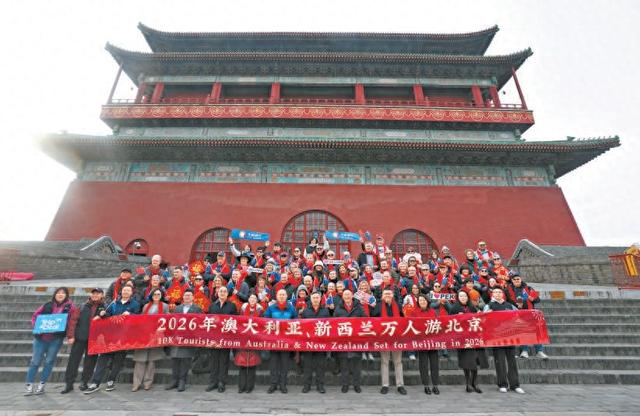
Core Insights - The Beijing cultural and tourism market during the 2026 Spring Festival showcased vibrant consumer activity, with 19.84 million visitors and total tourism spending of 33.14 billion yuan over the nine-day holiday [1][2]. Group 1: Traditional and Cultural Activities - Over 40 unique temple fairs and lantern festivals were held, marking a record in both quantity and scale, blending traditional customs with technological experiences [2]. - The "Double Olympic New Year" cultural exhibition featured Olympic artifacts and integrated traditional Chinese New Year culture, attracting significant visitor engagement [5]. - The "Enjoy the New Year in Beijing" series of activities included participation from 11 provinces, showcasing local specialties and cultural performances, leading to over 10 million yuan in sales of "Beijing gifts" [3]. Group 2: Consumer Trends and Economic Impact - The overall sales during the Spring Festival reached 8.45 billion yuan, with a year-on-year increase of 12.4%, driven by a surge in foot traffic across major shopping districts [6]. - The influx of inbound tourists contributed to a 73.2% increase in consumption related to shopping, aided by new visa policies [8]. - The popularity of museums surged, with approximately 3.28 million visitors during the holiday, reflecting a 20.61% increase from the previous year [10]. Group 3: Technological Integration and Innovation - The integration of technology in consumer experiences was highlighted by the "AI New Year" event, which featured advanced robotics and interactive displays, significantly boosting foot traffic in commercial areas [6]. - The introduction of automated shopping experiences in the Economic Development Zone led to a 23.9% increase in consumer spending [6]. Group 4: Rural Tourism and Community Engagement - Rural tourism saw a rise in activity, with the "Wander in the Suburbs" initiative generating over 28 million exposures and significant sales through innovative marketing strategies [12]. - Community-driven events in rural areas attracted large crowds, showcasing local products and cultural experiences, enhancing the festive atmosphere [13].