北国颂

Search documents
消费新常态下,大众酒如何构建可持续竞争优势?
Sou Hu Cai Jing· 2026-01-12 10:41
Group 1 - The core viewpoint of the articles indicates that the Chinese liquor industry is experiencing price pressure, with high-end liquor prices dropping over 10% and mid-range liquor prices decreasing by 5%-10% during the New Year period, while the mass consumption segment shows resilience, particularly in regions like Sichuan and Anhui [1] - The mainstream products in the mass liquor price range are priced between 100-300 yuan per bottle, with the 100-200 yuan segment being the foundation for mass consumption and the 200-300 yuan segment representing high-end products from regional strong brands [2] - The shift from "price competition" to "value cultivation" is driving liquor companies to innovate products and create differentiated barriers, as evidenced by various innovative products showcased at the CWSA competition [3] Group 2 - Liquor companies are focusing on targeting specific consumer demographics and enhancing consumption scenarios to achieve brand repositioning, recognizing that different age groups and cultural backgrounds influence consumer choices [5] - Distributors are transitioning from being "movers" to "service providers," with a focus on the 100-300 yuan price range, which is expected to differentiate into "flow-oriented" and "value-oriented" segments [7] - The necessity for distributors to deepen their engagement in the mass liquor market is highlighted, with strategies including community marketing and experiential services to enhance consumer loyalty [10] Group 3 - The collaboration between manufacturers and distributors is emphasized as crucial for navigating market challenges, with a focus on building regional competitive advantages and implementing joint pricing protection policies [10] - The articles suggest that liquor companies need to shift from a "production mindset" to a "user mindset," while distributors should move from a "transaction mindset" to a "relationship mindset" to achieve long-term brand value amidst intense price competition [11]


逆周期调整站位,酒类流通向外谋出路的一年
Sou Hu Cai Jing· 2026-01-05 08:12
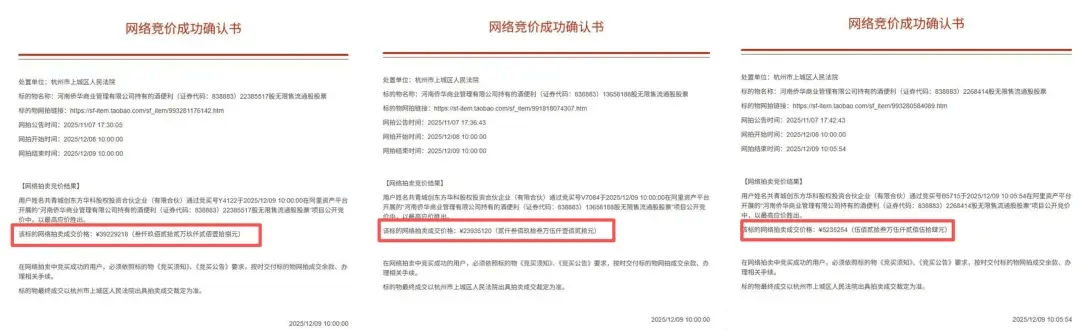
Core Insights - The year 2025 in the liquor industry is characterized by "adjustment," with companies undergoing transformations and facing significant challenges in the market [1] - Liquor distribution companies are under pressure due to declining revenues, high inventory levels, and changing relationships with manufacturers and consumers [1][3] Industry Overview - The liquor distribution market is experiencing a "cold winter," with significant financial distress highlighted by the auction of a major liquor company's shares at a price significantly lower than its assessed value [3] - Leading companies like Huazhi Liquor have reported substantial revenue declines, with a 34.07% year-on-year drop in revenue for the first three quarters of 2025 [3] - The average inventory turnover days for the industry have reached nearly 900 days, a 10% increase year-on-year, with inventory levels rising by 25% [4] Changing Business Models - The traditional "pressing goods" operation model is becoming unsustainable, prompting liquor distributors to seek new strategies for survival [5] - There is a shift from isolated operations to collaborative efforts among distributors, manufacturers, and consumers, aiming to rebuild the value chain [5][6] Strategic Collaborations - Companies are increasingly pursuing "manufacturer integration" as a practical strategy, with partnerships aimed at creating efficient service platforms [6][8] - Innovative models like the "Ten Thousand Merchants Alliance" are transforming distributors from mere purchasers to collaborative partners, enhancing their roles in the supply chain [8][10] Consumer Engagement - Liquor distribution companies are adjusting their relationships with consumers, focusing on reducing delivery times and enhancing service responsiveness [13] - The rise of instant retail is reshaping consumer behavior, with companies like Yima Songji achieving significant growth in market presence and transaction volume [13][15] - Investments in digital infrastructure and consumer data analytics are becoming critical for companies to understand and meet consumer needs effectively [17] Future Outlook - The core competitive advantage for liquor distribution companies in the next 3-5 years will hinge on data insights, terminal operations, and supply chain efficiency [17] - The ongoing themes of destocking and structural adjustment will continue to dominate the industry landscape as companies refine their strategies for survival and growth [17]