厂商一体化

Search documents
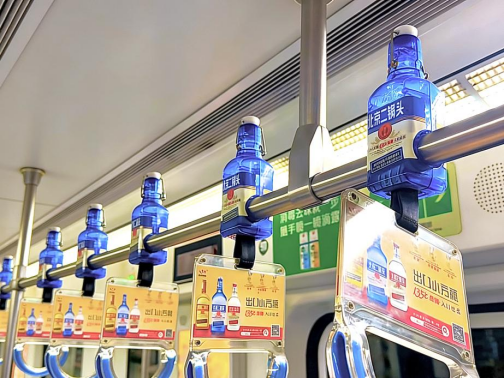
小方瓶酒业董事长 张晨光:逆周期布局年轻化,二次创业打造“无爹味”二锅头
Bei Jing Shang Bao· 2026-01-20 11:03
Core Insights - The article highlights the challenges faced by the Chinese liquor industry in 2025, particularly the high inventory turnover days and the pressure on both production companies and distributors [1][5] - It emphasizes the unique approach taken by Xiaofang Bottle (Beijing) Liquor Co., Ltd. under Chairman Zhang Chengguang, focusing on supporting distributors and innovating products to engage younger consumers [3][9] Industry Overview - The liquor industry is undergoing a significant adjustment period, with an average inventory turnover of 900 days, a 10% increase year-on-year, indicating that it takes approximately two and a half years to sell off existing stock [5] - The total inventory of 20 A-share listed liquor companies increased by 11.32% year-on-year, exacerbating the "dam" problem in channel inventory due to weak terminal sales [5] Company Strategy - Xiaofang Bottle's strategy diverges from the industry norm by not pressuring distributors to stock more products, instead focusing on helping them reduce inventory [5][8] - The company has adopted a long-term approach, covering all terminal channel costs and marketing expenses, allowing distributors to concentrate on customer service and market maintenance [8][14] Targeting Young Consumers - Recognizing the shift in consumer demographics, Xiaofang Bottle aims to connect with the 18-35 age group by making liquor more appealing and fun [9][10] - The establishment of a new retail department is seen as a "second entrepreneurship," focusing on content dissemination and product development tailored to younger consumers [9][10] Product Innovation - The company plans to introduce a new product line that includes fruit-flavored, tea-flavored, and sparkling liquors, aiming to break away from traditional liquor perceptions [9][19] - The new products are set to launch in January 2026, with a price range of 49-59 yuan and targeting different segments within the young consumer demographic [23][25] Market Positioning - Xiaofang Bottle aims to position itself as a modern, youth-friendly brand, distancing itself from the traditional "dad flavor" associated with its product category [10][15] - The company believes that the liquor industry will rebound by 2027, with aspirations to establish itself firmly in the second tier of the market, targeting a scale of over 5 billion yuan [25]


小方瓶(北京)酒业有限公司董事长张晨光:逆周期布局年轻化,二次创业打造“无爹味”二锅头
Bei Jing Shang Bao· 2026-01-20 10:59
Core Insights - The article highlights the challenges faced by the liquor industry in 2025, particularly the high inventory turnover days averaging 900 days, which indicates a significant backlog in stock that needs to be addressed [3][4] - The company, Xiaofangping (Beijing) Liquor Co., Ltd., is taking a unique approach by supporting over 800 core distributors and focusing on innovative product development aimed at younger consumers [1][5] Industry Overview - The liquor industry is experiencing a downturn, with a 10% year-over-year increase in average inventory turnover days, leading to a situation where stock takes approximately two and a half years to sell [3] - The total inventory of 20 A-share listed liquor companies increased by 11.32% year-over-year, exacerbating the inventory backlog issue [3] Company Strategy - In response to the inventory pressure, the company has decided to prioritize helping distributors manage their stock rather than pushing more products onto them, a decision driven by market insights [3][4] - The company has adopted a long-term strategy that emphasizes channel health over short-term sales figures, allowing core distributors to recover their inventory turnover to a healthy two-month cycle [4][10] Young Consumer Engagement - The company recognizes the need to connect with younger consumers, who are increasingly becoming the main demographic for liquor consumption, and aims to shed the traditional "dad flavor" image associated with its products [5][6] - A new retail department has been established to focus on product innovation and content dissemination that resonates with younger audiences, marking a significant organizational shift [5][8] Product Innovation - The company plans to introduce a new product line that includes fruit-flavored, tea-flavored, and sparkling liquors, aiming to make liquor more appealing and fun for younger consumers [5][12] - The strategy includes a focus on creating products that are innovative and can be enjoyed in various social settings, moving away from traditional consumption scenarios [14][15] Distribution and Marketing - The company is adopting a dual-channel strategy, initially promoting products online before expanding into traditional retail and dining channels, ensuring a gradual and effective market penetration [13] - Marketing efforts will emphasize quality, versatility, and emotional connections, aiming to redefine the consumption experience of liquor for younger audiences [14]

专访丨小方瓶(北京)酒业有限公司董事长张晨光:逆周期布局年轻化,二次创业打造“无爹味”二锅头
Bei Jing Shang Bao· 2026-01-20 10:52
Core Insights - The article highlights the challenges faced by the liquor industry in 2025, particularly the high inventory turnover days and the pressure on both manufacturers and distributors [1][3] - It discusses the unique approach taken by Xiaofang Bottle (Beijing) Liquor Co., Ltd. under Chairman Zhang Chengguang, focusing on supporting distributors and innovating products to engage younger consumers [1][5] Industry Overview - The liquor industry is experiencing a significant downturn, with an average inventory turnover of 900 days in the first half of 2025, a 10% increase year-on-year, indicating that it takes approximately two and a half years to sell existing stock [3] - The total inventory of 20 A-share listed liquor companies increased by 11.32% year-on-year, exacerbating the inventory "dam" problem due to weak terminal sales [3] Company Strategy - Zhang Chengguang made a counterintuitive decision to focus on helping distributors reduce inventory rather than pushing sales, which stemmed from his keen market insights [3][4] - The company adopts a long-term strategy of "factory-merchant integration," where it covers all terminal channel costs, allowing distributors to focus on customer service and market maintenance [4] Young Consumer Engagement - Recognizing the shift in consumer demographics, the company aims to connect with younger consumers by making liquor more appealing and fun, moving away from traditional perceptions [5][6] - In September 2025, the company established a new retail department to innovate product offerings and engage with younger audiences through content and product development [5][8] Product Innovation - The new product strategy focuses on "fruit-flavored, beverage-like" offerings, including sparkling and mixed drinks, to attract younger consumers [5][12] - A new product line is set to launch in January 2026, featuring various flavors and innovative formats to meet evolving consumer preferences [12][14] Distribution and Marketing - The company employs a "first online, then offline" strategy for product distribution, initially promoting products through online channels before expanding to traditional retail [13] - The marketing approach emphasizes quality, emotional connection, and versatility of the product, aiming to redefine the consumption scenarios for liquor [14][15]
万字详解:2026年酱酒行业发展趋势与应对丨争鸣
Sou Hu Cai Jing· 2026-01-13 10:16
Core Insights - The Chinese sauce liquor industry has transitioned from a phase driven by category dividends to a mature stage driven by quality and brand, with a competitive landscape characterized by "stability at the top, breakthroughs in the middle, and elimination at the bottom" as it approaches 2026 [2][32] - The long-term development logic of the sauce liquor industry remains unchanged, but the regional competition landscape and industrial ecology will undergo significant restructuring [2][32] Industry Characteristics - The core competitiveness of the sauce liquor industry stems from its unique brewing process and category attributes, which create high costs, long cycles, and strong barriers to entry, ensuring robust long-term development [3][6] - The industry has shown strong resilience against short-term market fluctuations and price adjustments, maintaining a solid fundamental performance [3] Capital Investment and Resource Constraints - Major players like China Resources, Fosun, and COFCO have invested approximately 20 billion yuan in the sauce liquor sector from 2018 to 2023, primarily in high-quality enterprises in the core production area of Moutai Town [5] - The core production area of the sauce liquor industry, the Chishui River Valley, is limited in land resources, with top enterprises occupying over 80% of the core area resources [5][6] Long-term Strategy and Innovation - Sauce liquor enterprises must adhere to long-termism, focusing on core advantages and building differentiated competitiveness to seize opportunities during industry transformations [4][32] - The industry is moving towards a model of integrated cooperation between manufacturers and distributors, emphasizing sustainable practices over short-term price subsidies [4][32] Pricing and Market Dynamics - The pricing structure of the sauce liquor industry is becoming more rational, with the main consumption focus shifting to the 100-300 yuan mid-range price segment, which is expected to dominate the market further in 2026 [12][14] - The high-end market above 600 yuan is limited, with Moutai dominating this segment, accounting for 90% of the market share [15][32] Regional Focus and Differentiation - The industry is shifting from a national expansion model to a focus on core regional markets, with three major core markets (Guizhou, Henan, Shandong) accounting for 45% of total sales [18][19] - There is a growing trend towards diversified production areas, with northern sauce liquor brands emerging as significant players, creating new growth opportunities [21][22] Organizational and Consumer Engagement - Companies need to build professional teams that align with the long-term development of the sauce liquor industry, emphasizing specialized skills in brewing, marketing, and operations [30][31] - Enhancing consumer engagement through localized marketing strategies and educational initiatives is crucial for building brand loyalty and market demand [31][32]


逆周期调整站位,酒类流通向外谋出路的一年
Sou Hu Cai Jing· 2026-01-05 08:12
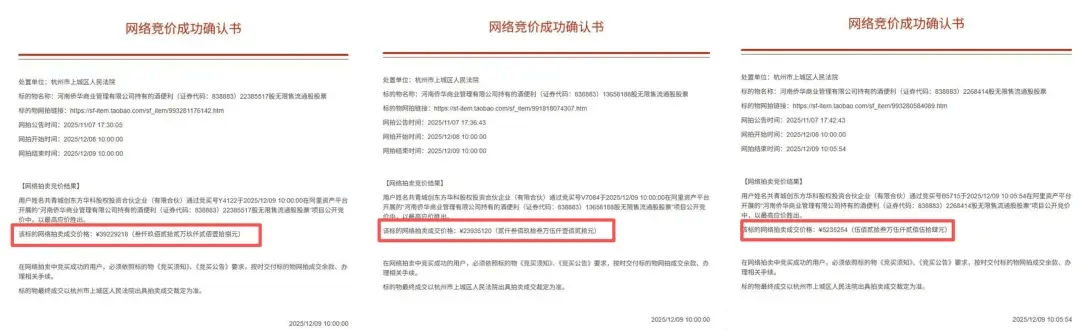
Core Insights - The year 2025 in the liquor industry is characterized by "adjustment," with companies undergoing transformations and facing significant challenges in the market [1] - Liquor distribution companies are under pressure due to declining revenues, high inventory levels, and changing relationships with manufacturers and consumers [1][3] Industry Overview - The liquor distribution market is experiencing a "cold winter," with significant financial distress highlighted by the auction of a major liquor company's shares at a price significantly lower than its assessed value [3] - Leading companies like Huazhi Liquor have reported substantial revenue declines, with a 34.07% year-on-year drop in revenue for the first three quarters of 2025 [3] - The average inventory turnover days for the industry have reached nearly 900 days, a 10% increase year-on-year, with inventory levels rising by 25% [4] Changing Business Models - The traditional "pressing goods" operation model is becoming unsustainable, prompting liquor distributors to seek new strategies for survival [5] - There is a shift from isolated operations to collaborative efforts among distributors, manufacturers, and consumers, aiming to rebuild the value chain [5][6] Strategic Collaborations - Companies are increasingly pursuing "manufacturer integration" as a practical strategy, with partnerships aimed at creating efficient service platforms [6][8] - Innovative models like the "Ten Thousand Merchants Alliance" are transforming distributors from mere purchasers to collaborative partners, enhancing their roles in the supply chain [8][10] Consumer Engagement - Liquor distribution companies are adjusting their relationships with consumers, focusing on reducing delivery times and enhancing service responsiveness [13] - The rise of instant retail is reshaping consumer behavior, with companies like Yima Songji achieving significant growth in market presence and transaction volume [13][15] - Investments in digital infrastructure and consumer data analytics are becoming critical for companies to understand and meet consumer needs effectively [17] Future Outlook - The core competitive advantage for liquor distribution companies in the next 3-5 years will hinge on data insights, terminal operations, and supply chain efficiency [17] - The ongoing themes of destocking and structural adjustment will continue to dominate the industry landscape as companies refine their strategies for survival and growth [17]

从高端圈层到全域共鸣:金沙酒业2025消费者培育工程释放品牌增长新动能
2 1 Shi Ji Jing Ji Bao Dao· 2025-12-30 05:09
Core Insights - The company has successfully launched two major consumer engagement initiatives, "Summary·Shangyan" and "Time Stories·Classic of the Era," across multiple cities in China, enhancing brand visibility and consumer connection [1][2][3] Group 1: Event Impact - "Summary·Shangyan" has become a celebrated event in local wine culture, significantly enhancing the brand's image in regional markets through interactive experiences and cultural integration [2][3] - The "Time Stories·Classic of the Era" events have effectively created emotional connections with consumers by evoking nostalgia and reinforcing the brand's identity as a "time brewer" [2][3] Group 2: Dealer Collaboration - The company emphasizes collaboration with dealers to build long-term brand competitiveness, believing that deepening consumer relationships is essential for sustained success [2][4] - Dealers have reported increased customer loyalty and purchase intent as a result of the engaging atmosphere and storytelling approach of the events, marking a shift from merely selling products to building relationships [2][4] Group 3: Integrated Strategy - The company has implemented a systematic approach to empower its dealer network, transitioning from a brand-led model to a more integrated manufacturer-dealer collaboration [3][4] - By providing standardized tools and customized support for local events, the company has enhanced sales conversion efficiency and boosted dealer confidence in the market [3][4] Group 4: Future Outlook - Dealers have expressed strong confidence in the company's strategic direction and resource allocation, recognizing the effectiveness of the consumer cultivation efforts in driving both short-term sales and long-term market health [4] - The company plans to continue investing in consumer experience and innovation, aiming to deepen market foundations and enhance collaborative mechanisms with dealers [4]
酱酒调整期破局“复兴1959”厂商共生叩开冀南市场
Sou Hu Cai Jing· 2025-10-25 20:34
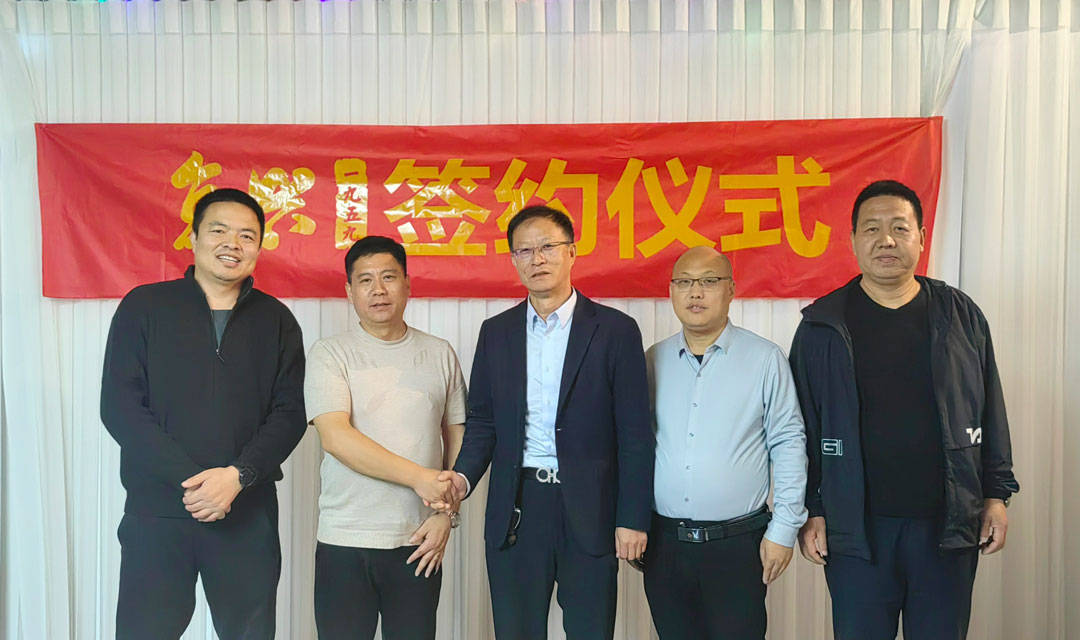
Core Insights - The signing of a strategic cooperation agreement between "Fuxing 1959" and Jubei Tongcheng marks a shift in the sauce liquor industry from "frenzied expansion" to "value cultivation" during a period of industry contraction [2][11] - The partnership aims to leverage local market strengths in Handan, where the liquor market shows stable sales between 3.5 billion to 4.5 billion yuan, with a significant portion of sales coming from mid-range products [5][10] Industry Context - The sauce liquor industry is facing a historic turning point in 2024, with 70% of small and medium-sized liquor enterprises facing production halts and a reduction of over 150,000 tons in the main production area of Renhuai [3][10] - Handan is identified as a key market due to its intersection of "capacity clearance" and "strong demand," making it an attractive opportunity for "Fuxing 1959" [3][10] Strategic Partnership Details - The cooperation involves a three-party ecosystem that includes the brand owner, local operators, and marketing partners, moving beyond traditional agency models [7][9] - Jubei Tongcheng has established a strong local presence with over 200 tobacco and liquor stores and more than 50 dining establishments, enhancing the distribution capabilities for "Fuxing 1959" [7][9] Market Strategy - "Fuxing 1959" plans to implement a three-tier network of "city service centers + county direct stores + community service stations," which aligns with local consumption habits and distribution needs [5][9] - The brand's pricing strategy targets the mid-range market, with a focus on high-quality products and local service, avoiding direct competition with top brands in the high-end market [10][12] Future Outlook - The partnership in Handan is seen as a model for future expansion, with plans to establish 50 service centers in major cities by 2026 [10] - The collaboration emphasizes quality and service as the core values, aiming to build a sustainable brand presence in the county market [12]
酒企、经销商无效沟通,“厂商一体化”该如何正确表达?
Xin Lang Cai Jing· 2025-10-24 02:31
Core Viewpoint - The current communication gap between liquor manufacturers and distributors is a significant challenge, as manufacturers focus on brand history and policy support while distributors seek practical solutions for inventory and profitability [1][4]. Group 1: Communication Breakdown - Manufacturers emphasize the need to strengthen communication with distributors, but many still engage in one-way communication that fails to address distributors' real pain points [1][4]. - Distributors express frustration over high inventory levels and declining profits, with average gross margins dropping from 20%-23% in 2019 to 15%-17% in 2024, and net profits decreasing from 8% to 3%-5% [4][9]. - The communication methods of liquor companies show a stark divide, with some companies effectively addressing issues while others continue to impose sales targets without understanding distributor challenges [4][9]. Group 2: Misaligned Development Rhythm - The traditional operational logic of liquor companies, which relies on pushing inventory through sales tasks and rebates, is becoming less effective in a saturated market [8][9]. - Distributors are shifting their survival strategies from traditional distribution to direct consumer engagement through platforms like Meituan and Douyin, indicating a significant change in market dynamics [9][12]. - Liquor companies are also adapting by exploring new channels and engaging in direct sales to consumers, showing a proactive approach to market changes [12][13]. Group 3: Relationship Reconstruction - Liquor companies are increasingly emphasizing "manufacturer-distributor integration" to transform distributors into profit-sharing partners, with initiatives like equity partnerships and profit guarantees being introduced [13][15]. - Some companies are establishing advisory committees to involve distributors in policy-making, aiming to create a more collaborative environment [15][18]. - The ongoing transformation of distributor roles from mere sales channels to partners in consumer service is seen as a positive trend, although achieving a truly integrated relationship will take time [15][18].

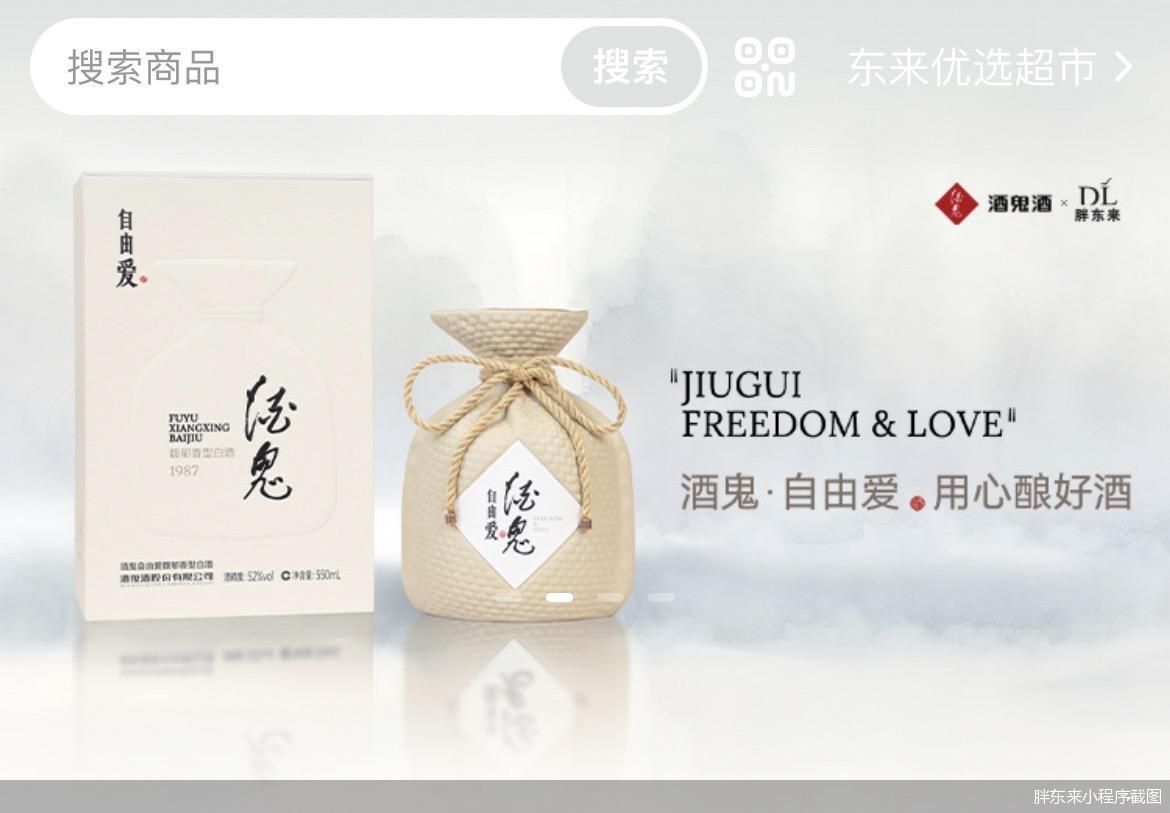
联名产品脱销 酒鬼酒求破局
Bei Jing Shang Bao· 2025-07-23 15:54
Core Viewpoint - The collaboration between Jiugui Liquor and Pang Donglai to launch "Jiugui·Freedom Love" is seen as a crucial step to reverse the declining performance of Jiugui Liquor, which is facing significant revenue and profit drops [1][2]. Group 1: Product Launch and Market Response - The product "Jiugui·Freedom Love" has quickly sold out upon its launch, indicating strong market demand [1]. - The product is priced at 200 yuan per bottle, with a comprehensive cost of 168.26 yuan, resulting in a gross profit margin of 15.87% [2]. Group 2: Financial Performance - Jiugui Liquor is expected to see a 43% decline in revenue for the first half of 2025, with net profit dropping over 90.08% [1][3]. - The company's daily average net profit is projected to be less than 70,000 yuan for the first half of 2025 [3]. Group 3: Historical Performance and Market Trends - Jiugui Liquor's revenue grew from 1.512 billion yuan in 2019 to 4.05 billion yuan in 2022, but has since faced a steep decline due to market adjustments [3][4]. - The number of distributors increased significantly from 763 in 2020 to 1,774 in 2023, but has since decreased to 1,336 by the end of 2024, indicating a contraction in market presence [4][5]. Group 4: Strategic Adjustments - Jiugui Liquor aims to achieve a recovery in performance and has adjusted its long-term revenue target from 10 billion yuan to a focus on restoring growth in 2024 [6]. - The company plans to refine its product strategy by reducing the number of SKUs by 50% and eliminating underperforming products [6][7].

日均净利不足7万 酒鬼酒如何借联名产品破局
Bei Jing Shang Bao· 2025-07-23 13:15
Core Viewpoint - The collaboration between Jiugui Liquor and Pang Donglai to launch the "Jiugui Freedom Love" product is seen as a crucial step to reverse Jiugui Liquor's declining performance, with expectations for improved sales and brand value amidst a challenging market environment [1][2]. Product Launch and Sales Performance - The "Jiugui Freedom Love" product will be available in multiple channels, including 13 Pang Donglai supermarkets and online platforms like Douyin, with initial sales in four stores in Changsha [1]. - The product has reportedly sold out quickly, indicating strong initial demand, with a retail price of 200 yuan per bottle and 1200 yuan per box [4][6]. Financial Performance and Market Position - Jiugui Liquor is projected to experience a 43% decline in revenue and over 90% drop in net profit for the first half of 2025, with daily net profit estimated to be less than 70,000 yuan [8][9]. - The company's market value has decreased by 82.38% since its peak in September 2021, reflecting significant challenges in the capital market [1][2]. Industry Trends and Consumer Behavior - The white liquor industry is undergoing a structural shift towards lower price segments, with increasing demand for mid to low-priced products, which Jiugui Liquor is now targeting with its new product [7][12]. - The collaboration with Pang Donglai is expected to enhance Jiugui Liquor's sales in the Henan market, although challenges remain in expanding beyond this region [12][13]. Inventory and Channel Issues - Jiugui Liquor has faced significant inventory challenges, with stock levels reaching 17.51 billion yuan, leading to increased inventory turnover days from 873 to 1461 days [11]. - The number of distributors has decreased from 1774 in 2023 to 1336 by the end of 2024, indicating a loss of confidence in the brand's distribution network [10][11]. Strategic Adjustments and Future Outlook - Jiugui Liquor aims to refine its product strategy by reducing SKU counts by 50% and focusing on high-potential products, while also planning to enhance its high-end offerings [14][15]. - The company has adjusted its growth targets, shifting from a long-term goal of reaching 10 billion yuan in revenue to focusing on recovery and positive growth in 2024 [13].