
十五运会吉祥物“喜洋洋”“乐融融”

Search documents
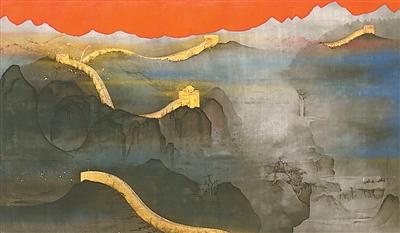
文艺气象·焕新
Ren Min Ri Bao· 2026-01-05 06:49
Core Perspective - The article discusses the transformative changes in Chinese arts and culture, emphasizing the integration of technology, particularly artificial intelligence, into creative processes, and the shift towards a more inclusive and participatory cultural landscape. Group 1: Technological Integration in Arts - Artificial intelligence is evolving from a mere tool to a creative partner, significantly impacting artistic expression and collaboration [8][21] - Events like the International Calligraphy Carnival showcase human-machine collaboration, indicating a shift in artistic creation dynamics [8][21] - AI is reshaping artistic language and giving rise to new art forms such as bio-mimetic art and multi-dimensional interactive art [8][21] Group 2: Cultural Revitalization - The revival of traditional Chinese culture is evident through innovative performances like the dance drama "Eternal Joy," which brings historical art forms to contemporary audiences [14][15] - Digital technology is enabling the preservation and revitalization of cultural heritage, allowing ancient artifacts to be experienced in new ways [9][15] - The trend of "national tide" reflects a creative transformation of traditional culture, making it relevant and accessible to modern audiences [9][14] Group 3: Democratization of Art - The rise of social media and short videos is lowering barriers to artistic creation, allowing ordinary individuals to become producers and disseminators of art [10][12] - Initiatives like community art projects are fostering public engagement and participation in the arts, blurring the lines between professional and amateur creators [10][12] - The shift towards a more inclusive artistic ecosystem is characterized by a collaborative approach where everyone can contribute to cultural production [10][12] Group 4: Economic and Cultural Synergy - The integration of culture with economic development is becoming a focal point, with projects like "Modern Countryside" enhancing rural revitalization through art and design [13][20] - Cultural events, such as the "Su Super" football league, are leveraging local heritage to create unique cultural experiences that drive economic growth [18][19] - Successful cultural initiatives demonstrate the potential for arts to contribute significantly to local economies and community identity [13][20]

广东释放“文化+”乘数效应:开辟投资新赛道,激活消费新场景
2 1 Shi Ji Jing Ji Bao Dao· 2025-11-25 12:20
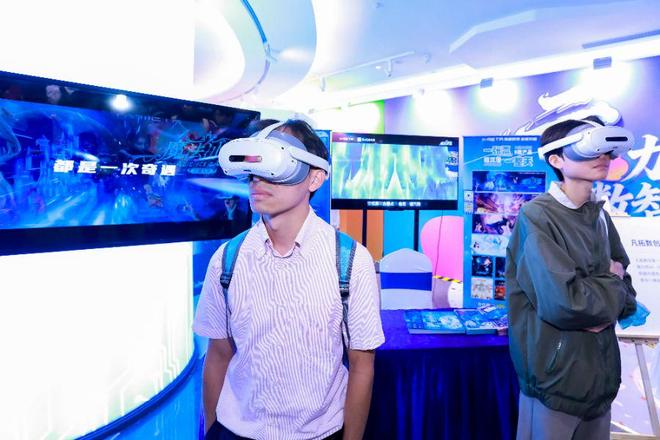
Core Insights - The cultural industry is emerging as a significant growth sector, driven by the integration of traditional culture with modern technology, creating a "multiplier effect" [2][6] - The Guangdong province is actively promoting the deep integration of culture, technology, and finance to foster high-quality development in the cultural sector [2][11] Investment Opportunities - The Greater Bay Area Cultural Investment Conference has facilitated over 300 quality cultural projects and attracted more than 100 leading investors, showcasing the growing interest in cultural investments [2][7] - Successful financing examples include the animation film "Lion Boy 2," which secured nearly 50 million yuan in funding due to the opportunities provided by the conference [3][6] Market Trends - The cultural investment market in China is experiencing a strong recovery, with financing instances and amounts increasing by 63.2% and 88.9% respectively in the first half of 2025 [6] - Projects that integrate culture with technology, such as AI and VR, are becoming a new investment focus, with over 40% of financing in the first half of 2025 directed towards "AI + culture" projects [6][7] Regional Development - Guangdong's cultural technology integration investment has doubled in the past five years, with significant growth in digital exhibitions and cultural projects [6][11] - The province's cultural industry revenue is projected to exceed 3 trillion yuan in 2024, accounting for about one-sixth of the national total [11][12] Consumer Behavior - There is a growing demand for cultural experiences that offer emotional value and aesthetic expression, reflecting a shift in consumer preferences towards high-quality cultural products [10][12] - The success of cultural IPs, such as the "Nezha 2" film and related merchandise, indicates a robust cultural consumption trend in Guangdong [5][10]
全运会“显眼包”遇上岭南美味,广东土特产火出圈!
Nan Fang Nong Cun Bao· 2025-11-10 15:02
Group 1 - The article highlights the unique way Guangdong showcases its rich local products and cultural charm during the 15th National Games [3][2] - The event features large installations of the mascots "Xi Yang Yang" and "Le Rong Rong," which are designed based on the Chinese white dolphin, attracting significant attention [6][7] - Guangdong's culinary culture is prominently displayed, particularly through its four famous chicken varieties, which are essential in local dining [19][20] Group 2 - The article emphasizes the significance of local fruits during the National Games, with the region's citrus fruits being in season, symbolizing good fortune [33][39] - The Deqing Gong Gan, a prestigious citrus fruit, is set to be harvested soon, known for its sweetness and historical significance as a tribute item [36][37] - The Meizhou pomelo, available since September, is highlighted for its low sugar content, making it suitable for health-conscious athletes [40][41] Group 3 - The lion-headed goose, known as the "world's goose king," made a surprise appearance during the opening ceremony, showcasing local livestock [46][49] - The Gao Yao area is noted for its significant contribution to goose farming, producing over 50 million goslings annually, which accounts for 70% of the province's output [50][51] - The local black-haired goose is also recognized as one of Guangdong's four famous geese, valued for its tender meat, ideal for traditional Cantonese dishes [52]
