
文化+

Search documents
广东茶产业高质量发展座谈会召开,四向发力擘画新路径
Nan Fang Nong Cun Bao· 2026-02-11 02:04
Core Viewpoint - The Guangdong province is focusing on high-quality development of the tea industry by integrating various sectors such as media, technology, and culture, aiming to enhance the value and market reach of Guangdong tea products [2][4]. Group 1: Industry Integration - The tea industry in Guangdong is leveraging the "Tea+" concept to promote deep integration with multiple sectors, extending from traditional tea consumption to health, culture, and tourism [8][9]. - New product trends include "Tea+Food," with companies like Yingde Hongcha developing innovative products such as craft beer and tea-infused snacks [10][12]. - The "Tea+Health" concept is emerging, with companies focusing on health-oriented tea products, such as Chenpi tea series, to meet modern wellness demands [15][17]. - The "Tea+Culture" initiative is enhancing local tea culture experiences, with projects like the Guangdong Phoenix Valley tea tourism complex and tea-picking activities in Jiangmen [19][21]. Group 2: Media Empowerment - Guangdong is building a "Media+" communication system to enhance brand visibility, utilizing both traditional media and online platforms to promote Guangdong tea [24][25]. - Events like the Chinese Cicada Tea Exchange Conference are being organized to deepen cultural connections and promote local tea products through various media channels [27][29]. - The establishment of unified branding at major exhibitions aims to increase public awareness and engagement with Guangdong tea [30][32]. Group 3: Technological Support - The tea industry is adopting "Technology+" to drive standardization, intelligence, and sustainability, transitioning from scale expansion to quality enhancement [40][41]. - Guangdong has established local standards for ecological tea gardens, with 230 certified gardens covering over 300,000 acres [42][43]. - Quality traceability systems are being implemented across cities, allowing consumers to track tea products from production to consumption [46][48]. - Research institutions are collaborating to advance key technologies in tea production, with significant investments in R&D for new tea products [50][52]. Group 4: Cultural Integration - The high-quality development of Guangdong's tea industry is closely tied to cultural heritage and innovation, with efforts in non-material cultural heritage protection and skill training [55][56]. - Initiatives to apply for global agricultural heritage status for local tea culture are underway, enhancing the cultural significance of Guangdong tea [62][64]. - The region is developing a complete ecological chain for new tea drinks, with over 3,000 stores nationwide and a focus on innovative product development [68][70].


钱塘高水平建设文化繁荣新区
Hang Zhou Ri Bao· 2026-02-09 03:27
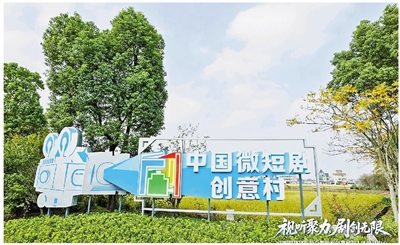
Group 1 - The core theme of the news is the cultural and economic development in Qiantang, driven by the integration of culture with various industries, particularly focusing on the micro-short drama sector [3][4][8] - Qiantang is establishing itself as a national leader in the micro-short drama industry, with the launch of the China Micro-Short Drama Creative Village in November 2024, which aims to enhance creative production [4][5] - The region has seen significant growth in cultural enterprises, with 156 companies generating revenue of 19.086 billion yuan in 2024, reflecting an 11.3% growth rate [6] Group 2 - The integration of "Culture + Technology" has led to the creation of a digital cultural innovation hub, with companies like Haiyu Xingkong producing 123 micro-short dramas in just over two years, 65 of which ranked on industry charts [4][5] - The local digital content market has experienced a surge, with the AI-produced series "From the Lying Snake Begins to Devour Evolution" achieving over 200 million views within a week of its release [5] - Qiantang's cultural tourism initiatives have attracted 21.233 million visitors in the previous year, marking a 7.7% increase, and the region is enhancing its cultural tourism brand "Tide Tour Qiantang" [6] Group 3 - Qiantang is promoting the internationalization of its cultural products, with companies like Zhangwan Network successfully distributing web literature and short dramas globally, achieving 25 million downloads and over 7 million monthly active users [8][9] - The region's supportive policies for the micro-short drama industry have led to a significant increase in the market size, surpassing 50 billion yuan in 2024, with user numbers reaching 66.2 million [8][9] - Qiantang is fostering cross-cultural communication through initiatives like the "Touch Qiantang" program, which engages international youth to share local stories globally [9][10]
江宁文化创意消费场景开启产业融合新篇章
Sou Hu Cai Jing· 2026-01-17 10:18
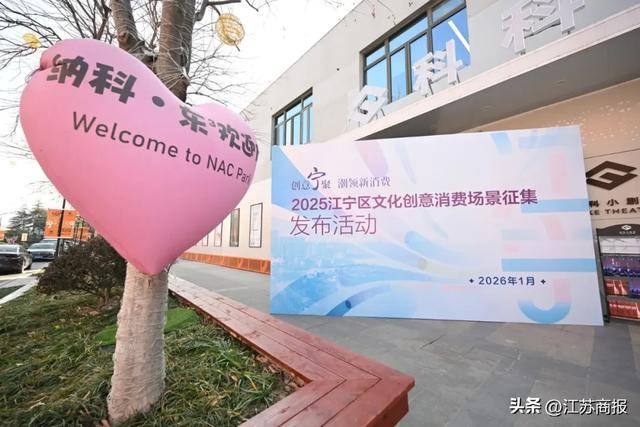
Core Insights - The event "Creative 'Ning' Gathering: Leading New Consumption" held on January 15, 2025, in Jiangning District aims to promote cultural consumption scene construction and high-quality development of the cultural industry, reflecting the integration of "culture+" industry models [1][3][5] - Jiangning District has positioned cultural industry development as a key driver for regional economic growth, leveraging its rich cultural heritage and natural resources to foster a vibrant cultural consumption market [1][3][10] Group 1: Cultural Industry Development - By the end of 2025, Jiangning District is expected to have over 4,000 cultural enterprises, with 206 of them being above-scale enterprises, marking the cultural industry as a significant growth driver for the regional economy [3][13] - The district has been recognized as a "National All-for-One Tourism Demonstration Zone" and a "National Public Cultural Service System Demonstration Zone," creating a favorable ecosystem for cultural consumption scene development [3][5] Group 2: Collaborative Efforts - The event was organized under the principle of "government guidance, enterprise leadership, university support, and market operation," establishing a multi-faceted collaborative mechanism for cultural innovation [5][10] - A total of 10 high-quality cultural creative consumption scenes were selected from various categories, including cultural heritage, tourism, and digital culture, showcasing regional characteristics and market potential [5][11] Group 3: Future Prospects - Jiangning District aims to deepen the "culture+" development concept, promoting integration across various sectors such as film, technology, agriculture, education, and sports, to enhance the cultural consumption supply [13] - The cultural industry in Jiangning is projected to see a revenue exceeding 53 billion yuan for the first time in 2025, with an annual growth rate surpassing 8%, indicating a positive trend in high-quality development [13]
北京东城已累计实现建筑规模减量约230万平方米
Xin Jing Bao· 2025-12-16 13:42
Core Insights - The Dongcheng District has made significant progress during the 14th Five-Year Plan period in areas such as cultural heritage, economic growth, urban governance, and improving residents' well-being [1][2][4] Economic Development - Dongcheng District contributes nearly 8% of the city's GDP with only about 0.25% of its area, projecting a GDP of 380.87 billion yuan for 2024 and an average annual growth rate exceeding 5% during the 14th Five-Year Plan [2] - The financial sector is a key pillar, attracting major institutions like Morgan Stanley, with state-owned enterprise funds exceeding 130 billion yuan [2] - The digital economy's core industry revenue surpasses 300 billion yuan, with rapid development in AI and the metaverse [2] Cultural Initiatives - The district has four world cultural heritage sites, leading the city, and has successfully promoted the application for the protection of the central axis, resulting in over 25 million participants in cultural activities [2][7] - The "Cultural + " strategy has been implemented, integrating culture with technology, consumption, and various industries, enhancing cultural soft power into hard support for development [7][8] Urban Governance and Infrastructure - Urban renewal projects have improved living conditions for over 5,000 households, with significant reductions in PM2.5 levels by 29.3% [4][10] - The district has built 16 age-friendly parks and improved transportation networks, increasing road density to 10.16 kilometers per square kilometer [4] Consumer Market Growth - Dongcheng is developing into an international consumption center, attracting over 540 domestic and international flagship stores, with retail sales expected to exceed 160 billion yuan [3] - The introduction of a tax refund point has led to a 229% year-on-year increase in related product sales [3] Industry Structure and Innovation - The district has adopted an "8 industrial clusters + 4 characteristic streets" model, housing over 4,000 enterprises, contributing more than one-third to the district's economy [6] - The "Cultural Strong District" strategy aims to create a new benchmark for the integration of culture, commerce, and tourism [7]
广东释放“文化+”乘数效应:开辟投资新赛道,激活消费新场景
2 1 Shi Ji Jing Ji Bao Dao· 2025-11-25 12:20
Core Insights - The cultural industry is emerging as a significant growth sector, driven by the integration of traditional culture with modern technology, creating a "multiplier effect" [2][6] - The Guangdong province is actively promoting the deep integration of culture, technology, and finance to foster high-quality development in the cultural sector [2][11] Investment Opportunities - The Greater Bay Area Cultural Investment Conference has facilitated over 300 quality cultural projects and attracted more than 100 leading investors, showcasing the growing interest in cultural investments [2][7] - Successful financing examples include the animation film "Lion Boy 2," which secured nearly 50 million yuan in funding due to the opportunities provided by the conference [3][6] Market Trends - The cultural investment market in China is experiencing a strong recovery, with financing instances and amounts increasing by 63.2% and 88.9% respectively in the first half of 2025 [6] - Projects that integrate culture with technology, such as AI and VR, are becoming a new investment focus, with over 40% of financing in the first half of 2025 directed towards "AI + culture" projects [6][7] Regional Development - Guangdong's cultural technology integration investment has doubled in the past five years, with significant growth in digital exhibitions and cultural projects [6][11] - The province's cultural industry revenue is projected to exceed 3 trillion yuan in 2024, accounting for about one-sixth of the national total [11][12] Consumer Behavior - There is a growing demand for cultural experiences that offer emotional value and aesthetic expression, reflecting a shift in consumer preferences towards high-quality cultural products [10][12] - The success of cultural IPs, such as the "Nezha 2" film and related merchandise, indicates a robust cultural consumption trend in Guangdong [5][10]
华视锐达与国信中数签署战略合作 宁波奉化:“文化+”发展战略结硕果
Feng Huang Wang Cai Jing· 2025-11-20 08:51
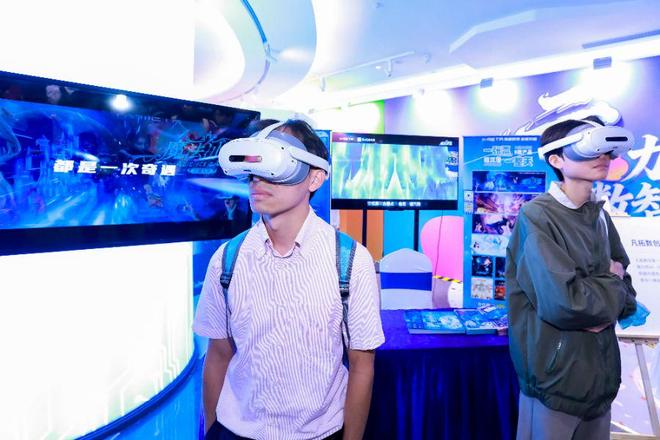
Group 1 - The core viewpoint of the news is the strategic partnership between Huashi Ruida (Ningbo) Technology Co., Ltd. and Beijing Guoxin Zhongshu Investment Management Co., Ltd., focusing on AI marketing technology innovation and digital industry ecosystem construction [1] - Huashi Ruida's AI marketing platform "BAIMA" is highlighted for its technological leadership and practical application capabilities, positioning the company as a key player in the "AI + enterprise marketing" sector [1] - The signing of this strategic cooperation is a significant milestone in the process of improving the cultural industry business environment in Fenghua District, which has been actively attracting quality cultural technology enterprises [1] Group 2 - By 2025, Fenghua has successfully attracted three external cultural enterprises to settle in the area, fostering a positive development trend and driving the regional cultural industry towards digitalization, intelligence, and high-end development [2] - The introduction of capital and ecological resources from Beijing is expected to not only support the rapid development of enterprises but also enhance the local digital economy ecosystem, attracting more related enterprises to Fenghua [2]
“文化+”“+文化”双向奔赴
Ren Min Ri Bao Hai Wai Ban· 2025-11-06 22:36
Core Insights - The cultural industry in China is increasingly integrating creative products into daily life, leading to significant market benefits and collaborative development across the industry [1][3][5] Group 1: Cultural Products and Market Impact - The animated film "Chang'an 30,000 Miles" has generated over 1.82 billion yuan in box office revenue, sparking a renewed interest in Tang poetry and boosting related book sales [2] - The dance poetry drama "Just This Green" has performed over 800 shows, expanding into various media formats, showcasing the successful commercialization of stage art [2] - The cultural industry’s GDP contribution reached 4.59% in 2023, nearing the 5% threshold for pillar industries, with projected revenue of 19.14 trillion yuan in 2024 [3] Group 2: Cultural Integration and Innovation - The "Cultural + Creative Products" trend has led to a surge in cultural consumption, with products like the Palace Museum calendar selling over 8.5 million copies [5] - "Cultural + Technology" initiatives have produced immersive exhibitions and digital museums, enhancing public engagement with history [6] - "Cultural + Tourism" has enriched local tourism experiences, with projects like "Impression Liu Sanjie" attracting significant visitor numbers [7] Group 3: Broader Cultural Engagement - The integration of culture into sports events has increased tourism, with local cultural elements featured prominently in team branding and performances [7] - Urban renewal projects are transforming old industrial sites into cultural and recreational spaces, revitalizing local economies [7] - The dual approach of "Cultural +" and "+ Culture" is expected to further stimulate industry growth and enhance cultural consumption [8]
“文化+”“+文化”双向奔赴(深观察)
Ren Min Ri Bao Hai Wai Ban· 2025-11-02 22:47
Core Insights - The integration of culture into the economy is becoming a significant driver of economic development, with the cultural industry contributing 4.59% to China's GDP in 2023, nearing the 5% threshold for pillar industries [4] - The cultural sector is experiencing substantial growth, with projected revenue of 19.14 trillion yuan in 2024, marking a historical high [4] - The rise of cultural products and experiences is fostering a collaborative development across various industries, enhancing consumer engagement and market opportunities [5][6] Group 1: Cultural Products and Market Trends - Innovative cultural products are gaining popularity, with examples like the "Wukong" game boosting tourism in Shanxi and the "Nezha" movie leading to sold-out merchandise [2] - The animated film "Chang'an 30,000 Miles" has generated over 1.82 billion yuan in box office revenue, sparking a renewed interest in Tang poetry and related cultural experiences [3] - The success of Chinese science fiction and mythology in both domestic and international markets is evident, with approximately 200 million active overseas users of Chinese online literature [3] Group 2: Cultural Industry Growth - The cultural industry is becoming a pillar in cities like Beijing and Hangzhou, where its value added to GDP exceeds 10% [4] - The cultural sector's revenue is projected to reach 19.14 trillion yuan in 2024, indicating robust growth and a significant contribution to the economy [4] Group 3: Cultural Integration with Other Industries - The "Cultural + Creative Products" trend is driving consumer interest, with products like the Palace Museum calendar selling over 8.5 million copies [5] - The "Cultural + Technology" approach is leading to immersive experiences through digital exhibitions and virtual museums, enhancing public engagement with history [6] - The "Cultural + Tourism" strategy is enriching travel experiences, with projects like "Impression Liu Sanjie" attracting large audiences [7]
从旁观者变传承者!“文化+”赋能乡村振兴 村民增收有了“金钥匙”
Yang Shi Wang· 2025-10-26 07:19
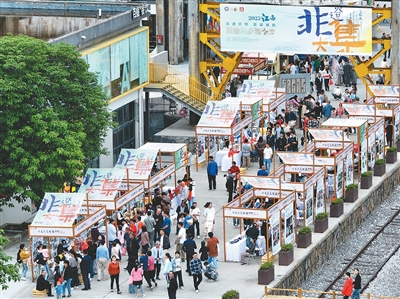
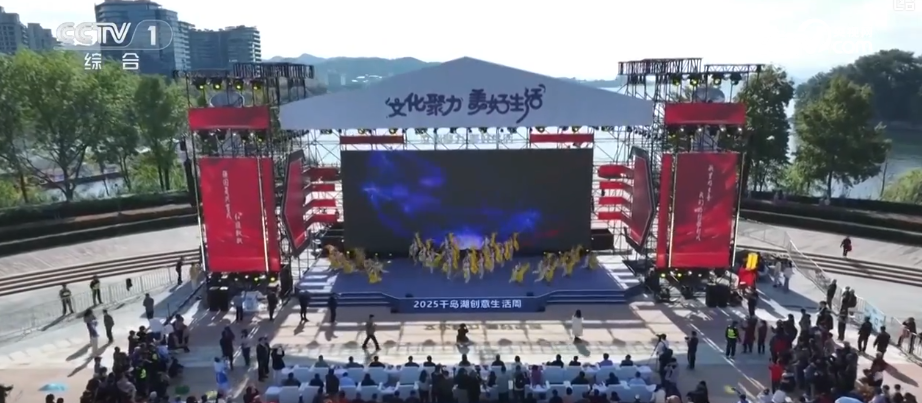
Group 1 - Cultural activities are being held in various regions during the autumn and winter seasons, contributing to rural revitalization and grassroots elderly care, bringing warmth and vitality to the community [1] - In the creative life week event at Qiandao Lake in Zhejiang, local villagers actively participate in the "Zheli Xiangyin" cultural performance, showcasing their talents [4] - Cultural products developed with non-heritage elements have become a significant source of income for local farmers, with sales revenue exceeding 350,000 yuan from a single product [7][10] Group 2 - Jiangsu Zhenjiang promotes the concept of "cultural elderly care" through cultural performances and poetic readings, enhancing the quality of life for senior citizens [12] - During the activities, health experts provide health education, and power supply departments assist elderly residents with specific needs, demonstrating a commitment to community care [14] - The implementation of the "Electricity Care Code" service allows for intelligent monitoring of elderly residents' living conditions, ensuring timely intervention in emergencies [14]
上城望江招募“时光旅人” 共赴四季文旅之约
Hang Zhou Ri Bao· 2025-10-22 02:40
Core Insights - The "Wangjiang City Time Travel" project invites citizens to explore the historical and cultural transformation of Wangjiang through an immersive 4-kilometer Citywalk experience [1][2] - The project highlights the significant urban renewal in Wangjiang, transforming low-rise shantytowns into high-rise buildings and creating new landmarks [1] - The initiative aims to promote cultural heritage and local economy by integrating various local businesses along the route, offering discounts and interactive cultural experiences [2] Group 1 - The project features a cartoon character based on Bi Sheng, guiding participants through eight distinctive points in Wangjiang, showcasing its past, present, and future [1] - Key historical elements include the memories of local markets and industrial echoes, emphasizing the area's rich cultural background [1] - The Citywalk includes interactive experiences at various locations, such as the old Hangzhou can factory and the new Hangzhou-Hong Kong Technology Building, allowing participants to engage with history and heritage [1] Group 2 - Over 20 local shops are involved in the project, providing a comprehensive experience that includes food, drinks, and cultural activities [2] - The project is part of a year-long initiative aimed at revitalizing cultural heritage and promoting economic innovation in the area [2] - The initiative encourages citizens to understand the changes in Wangjiang through walking and engaging with its cultural and historical narratives [2]