华为Mate 7

Search documents
从学华为到学 AI,复盘理想的三年管理实验
晚点LatePost· 2026-02-28 08:32
Core Viewpoint - The article discusses the challenges faced by Li Auto as it transitions from a "Huawei-style" management approach back to a more flexible and founder-driven model, emphasizing the importance of product innovation and brand identity over rigid processes [4][41]. Group 1: Management Transition - Li Auto's senior vice president of sales and service, Zou Liangjun, left the company in mid-2025, prompting a review of declining sales and a shift away from Huawei-inspired practices [4][5]. - The company acknowledged that high incentives and commissions led to a loss of focus on its core values, resulting in a decision to revert to a more flexible target management system [4][5]. - The departure of several Huawei-background executives marked a significant shift in Li Auto's organizational structure, moving away from a rigid performance commitment model [5][6]. Group 2: Sales Performance and Challenges - Li Auto's annual sales have stagnated around 400,000 units, significantly lower than the target of over 1 million units for safety in the automotive industry [5][6]. - The company faced increased competition from rivals like NIO, which surpassed Li Auto in deliveries for five consecutive months, leading to a nearly 20% year-on-year decline in deliveries by the end of 2022 [5][6]. - The introduction of new models, such as the i8 and i6, has been met with production and delivery challenges, including battery capacity constraints [5][6]. Group 3: Organizational Structure and Strategy - Li Auto's sales and service group underwent a restructuring, moving from a direct report to the CEO to a secondary department reporting to the president, indicating a shift in management focus [6][10]. - The establishment of a Go-to-Market (GTM) department aimed to streamline product launches and ensure alignment between product development and sales strategies [13][24]. - The company initially adopted a matrix organizational structure to enhance cross-department collaboration but later reverted to a more traditional model following leadership changes [28][19]. Group 4: Learning from Competitors - Li Auto's management has drawn inspiration from various tech giants, including Apple and Google, in addition to Huawei, to build a robust organizational capability [5][4]. - The company has recognized the need for a balance between structured processes and the flexibility required for product innovation, especially in a competitive market [41][36]. - The shift towards AI and a "founder model" reflects a desire to enhance decision-making efficiency and foster innovation within the company [37][39]. Group 5: Future Directions - Li Auto plans to implement AI tools to improve operational efficiency and decision-making processes, marking a significant shift in its strategic approach [37][39]. - The company aims to cultivate a culture of innovation while maintaining a focus on product quality and brand identity, moving away from overly rigid management practices [41][36]. - The management acknowledges that there is no perfect management methodology, emphasizing the importance of making correct judgments and solving engineering challenges to build a unique brand [41][41].


Mate系列12年,读懂中国科技的「实力破圈」
36氪· 2025-11-25 11:10
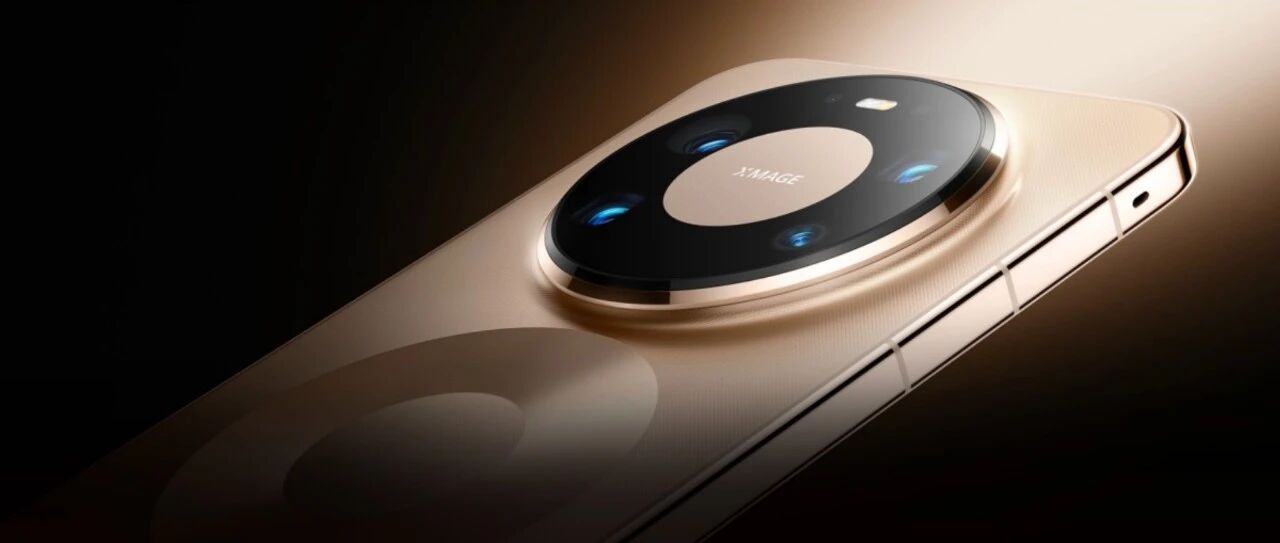
Core Viewpoint - The Huawei Mate series has successfully navigated through 12 years of technological evolution, establishing itself as a strong contender in the high-end smartphone market, particularly with the upcoming Mate 80 series, which embodies the spirit of "infinite exploration" [3][4][19]. Group 1: Historical Context and Evolution - The Huawei Mate series began with the Mate 7 in 2014, breaking the dominance of Apple and Samsung in the high-end market with its large screen, long battery life, and business-oriented design [3]. - The Mate 40 series in 2020 showcased Huawei's integrated software and hardware capabilities, marking a significant milestone in the series' evolution [3]. - The Mate 50 series was launched during challenging times, reflecting Huawei's commitment to product iteration and its soft-hard integration strategy [3][19]. Group 2: Design and Innovation - The Mate 80 series features a "dual-ring" design that symbolizes the brand's commitment to exploration and innovation, representing both a visual identity and a narrative tool [5][6]. - The series incorporates a full metal body design, overcoming engineering challenges related to signal interference, which is crucial for satellite communication [8]. - The Mate 80 Pro Max introduces a unique metal light engraving process and offers four new color options inspired by extreme environments, embodying the spirit of exploration [8]. Group 3: Technological Advancements - The Mate 80 series is equipped with HarmonyOS 6, which enhances user experience through a distributed architecture and system-level AI capabilities, achieving over 98% compatibility within the Harmony ecosystem [8][11]. - The second-generation red maple imaging system significantly improves color accuracy in challenging lighting conditions, with the Mate 80 Pro Max offering groundbreaking macro capabilities [10]. - The AI assistant, now referred to as "Xiao Yi," has been upgraded to support proactive task completion and multi-modal interactions, enhancing user engagement [11]. Group 4: Market Position and Future Outlook - The Mate series has consistently represented a commitment to innovation and has become a symbol of China's technological advancement in the high-end smartphone market [19][27]. - The upcoming Mate 80 series is expected to redefine the concept of flagship smartphones by integrating various capabilities into a cohesive system, moving beyond mere functional enhancements [18]. - Huawei's approach to the Mate 80 series reflects a broader strategy of self-reliance and innovation, positioning the brand as a leader in the high-end smartphone segment amidst increasing competition [27].