华莱士快餐

Search documents
万店巨头黯然退市,华莱士的低价神话撑不住了?
凤凰网财经· 2026-03-11 10:39
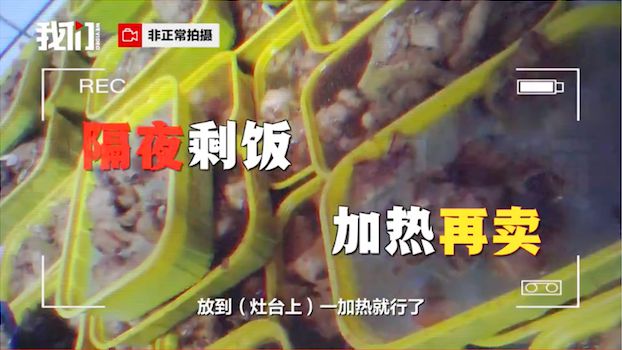
Core Viewpoint - Wallace, once a dominant player in the Chinese fast-food market with over 20,000 stores, has announced its delisting from the New Third Board, marking a significant retreat from the capital market due to operational challenges and declining consumer trust [1][9]. Group 1: Company Background and Growth - Wallace was founded in 2001 by brothers Hua Huaiyu and Hua Huaqing, initially struggling to attract customers with a KFC-style menu priced around 20 yuan [3]. - The company pivoted to a low-price strategy with its "Special Price 123" campaign, offering items at 1, 2, and 3 yuan, which resonated with budget-conscious consumers and led to rapid store openings [4][5]. - By 2023, Wallace's revenue surged from 2.5 billion yuan in 2019 to over 6 billion yuan, and it became the first fast-food chain in China to exceed 20,000 stores, surpassing KFC and McDonald's combined [8]. Group 2: Financial Challenges and Market Position - Despite its growth, Wallace faced significant financial challenges, raising only 10 million yuan since its listing in 2016, insufficient for its operational costs [8]. - The company reported a slight revenue decline of 0.49% in the first half of 2025, marking its first revenue drop since its rapid expansion began [11]. - Revenue growth rates have been decreasing, from 24.36% in 2022 to 18.2% in 2023, and further down to 13.31% in 2024, indicating increased competition in the low-price market [13]. Group 3: Consumer Issues and Brand Reputation - Wallace has been plagued by food safety concerns, with over 14,000 complaints on third-party platforms, leading to the nickname "Spraying Warrior" due to reports of foodborne illnesses [14][20]. - Investigations revealed serious hygiene issues, including the use of expired ingredients and poor oil quality, contributing to customer health problems [15][16]. - Despite attempts to rectify these issues, including store closures and new safety protocols, consumer complaints persist, highlighting systemic problems within the company's operational model [23].

华莱士宣布退市,上市10年仅融资1000万
21世纪经济报道· 2026-03-11 05:45
Core Viewpoint - Wallace, known as the "King of Western Fast Food," has officially announced its departure from the capital market after nearly ten years on the New Third Board, with its stock set to be delisted on February 12, 2026 [1][4]. Group 1 - The decision to delist was made after considering the company's current operational situation, market environment, and long-term strategic planning, aiming to improve decision-making efficiency and reduce operational costs [4]. - In the "2023 China Western Fast Food Category Development Report," Wallace ranked third from the bottom in per capita consumption among the top ten Western fast food brands in China, with an average spending of 18.9 yuan [4]. - The delisting decision was not sudden; Wallace announced its intention to apply for delisting on January 9, 2026, and officially suspended trading on January 22, 2026 [6]. Group 2 - According to Wallace's 2025 semi-annual report, the company reported approximately 4.625 billion yuan in revenue and over 121 million yuan in net profit for the first half of 2025, marking a 35.32% increase year-on-year [6]. - Despite the revenue remaining stable compared to the previous year, it marked the first instance of negative growth in revenue for the company [6]. - From 2022 to 2024, the company's revenue growth rate declined from 24.36% to 13.31%, indicating a continuous slowdown in performance [6]. - Since its listing in April 2016, Wallace has only raised 10 million yuan through market financing, which has not significantly aided its store expansion and business development [6]. - The costs associated with compliance audits, financial disclosures, and ongoing regulatory oversight have outweighed the benefits of being listed, leading to the decision to quietly exit the New Third Board [6].

华莱士正式宣布退市
第一财经· 2026-03-11 04:58
Core Viewpoint - Wallace, known as the "King of Fast Food," has officially announced its delisting from the New Third Board after nearly ten years, facing challenges from competitors and slowing growth [6][7]. Group 1: Company Announcement - On February 11, 2026, Fujian Huashi Food Co., Ltd. announced the termination of its stock listing on the National Equities Exchange and Quotations, effective February 12, 2026, marking the end of its nearly decade-long presence in the capital market [6]. - The company cited the need to improve decision-making efficiency and reduce operational costs in light of its current business situation and market environment as reasons for the delisting [6]. Group 2: Market Context - The decision to delist was not sudden; the company had announced its intention to apply for delisting on January 9, 2026, and officially suspended trading on January 22, 2026 [7]. - Wallace is attempting to find new avenues for growth amid fierce competition from emerging players like Tastin [6].

终止挂牌的“万店巨人”:华莱士资本退潮背后的战略迷思
Xin Lang Cai Jing· 2026-02-24 03:10
Core Viewpoint - The Chinese fast-food giant Wallace is withdrawing from the New Third Board, indicating deeper issues such as growth stagnation, razor-thin profits, and management challenges, despite the booming restaurant capital market where other brands are seeking international investment [1][9]. Group 1: Company Overview - Wallace, founded in 2001, initially thrived by offering low-priced meals in lower-tier markets, successfully competing against international giants like KFC and McDonald's [2][10]. - The company adopted a unique "Fujian model" of self-financed stores and employee partnerships, allowing rapid expansion, with store numbers exceeding 20,000 by 2023 [2][10]. Group 2: Financial Performance - From 2021 to 2024, Wallace's revenue growth plummeted from 64.44% to 13.31%, with a rare revenue decline of 0.49% in the first half of 2025, totaling 4.625 billion yuan [3][11]. - Despite a 35.32% increase in net profit, this was primarily due to cost-cutting rather than business expansion, with store numbers decreasing from 19,976 in 2024 to approximately 19,494 in early 2026 [3][11]. Group 3: Pricing Strategy and Profitability - Wallace's low-price strategy has led to a significant cost burden, with operating costs reaching 4.345 billion yuan in the first half of 2025, accounting for over 93% of revenue, resulting in a mere 6.04% gross margin and a 3.77% operating profit margin [4][12]. - The company's profitability is severely impacted by rising costs in raw materials, labor, and logistics, making it vulnerable to financial risks [4][12]. Group 4: Governance and Management Issues - The company's governance structure is heavily family-oriented, with the actual controllers holding 64% of shares, which may hinder modern corporate governance [5][13]. - In the first half of 2025, "other payables" surged by 7,457.33% to 106 million yuan, raising concerns about financial management and potential capital misallocation [6][13]. Group 5: Quality Control and Safety Concerns - Wallace faces significant food safety issues, with reports of expired ingredients and poor quality control due to its decentralized store ownership model [7][14]. - Complaints regarding food safety have reached nearly 14,000, indicating a severe crisis that could undermine the brand's reputation [7][14]. Group 6: Market Position and Future Outlook - The decision to delist from the New Third Board reflects a strategic retreat amid a lack of liquidity and high compliance costs, allowing the company to operate with less scrutiny [8][15]. - As competitors pursue modernization and brand upgrades, Wallace's reliance on low pricing and a flawed expansion model raises questions about its ability to adapt and survive in a changing market [8][16].
连锁品牌频“翻车”,餐饮加盟为何成为食安“重灾区”?
Xin Jing Bao· 2025-03-27 05:48
Core Viewpoint - The rapid expansion of chain restaurant brands in China, primarily through franchising, has led to significant food safety issues, with several brands facing severe criticism and negative publicity due to poor management and quality control [1][2][4][5]. Group 1: Food Safety Issues - Brands like Yang Mingyu Huang Wen Ji and Wallace have been repeatedly exposed for food safety violations, including the use of expired ingredients and unsanitary practices in their kitchens [2][4][5]. - During the 3.15 Consumer Rights Day, multiple reports highlighted serious food safety problems, such as the reuse of leftover food and the lack of health certificates among staff [2][4]. - Complaints against these brands on consumer platforms have surged, with Yang Mingyu Huang Wen Ji receiving over a hundred complaints related to food quality and safety [5]. Group 2: Franchise Model and Management Challenges - The low entry barriers for franchisees have led to a "wild growth" of chain restaurants, with a focus on rapid expansion rather than stringent management practices [6][13]. - The franchise model often results in a disconnect between brand owners and franchisees, leading to conflicts in priorities, where franchisees prioritize short-term profits over long-term brand integrity [14][16]. - The management of franchise operations is often outsourced, resulting in a lack of effective oversight and accountability, which exacerbates food safety issues [11][17]. Group 3: Financial Performance and Business Strategy - Wallace's parent company reported revenues of 4.6 billion yuan with a net profit of only 90 million yuan, indicating a low profit margin of around 5%, significantly below the industry average [9][10]. - The rapid expansion of brands like Wallace and Yang Mingyu Huang Wen Ji has been driven by low investment costs and high potential returns, but this has come at the expense of food safety and quality control [7][9]. - Yang Guofu's business model relies heavily on selling ingredients to franchisees, which can lead to inconsistent quality and safety standards across locations [10][11].