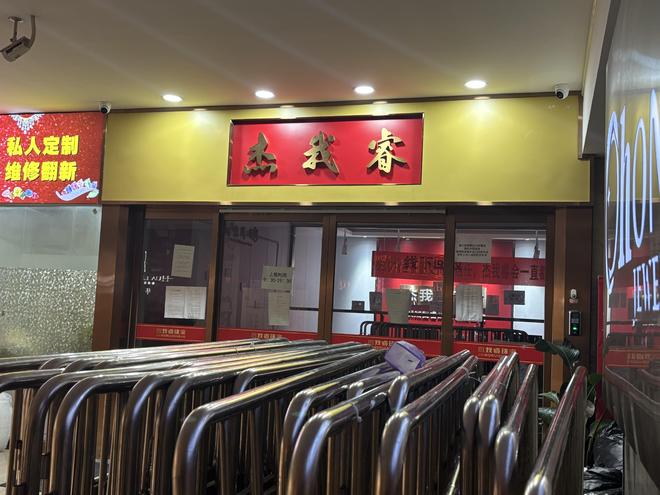
古法素圈手镯

Search documents
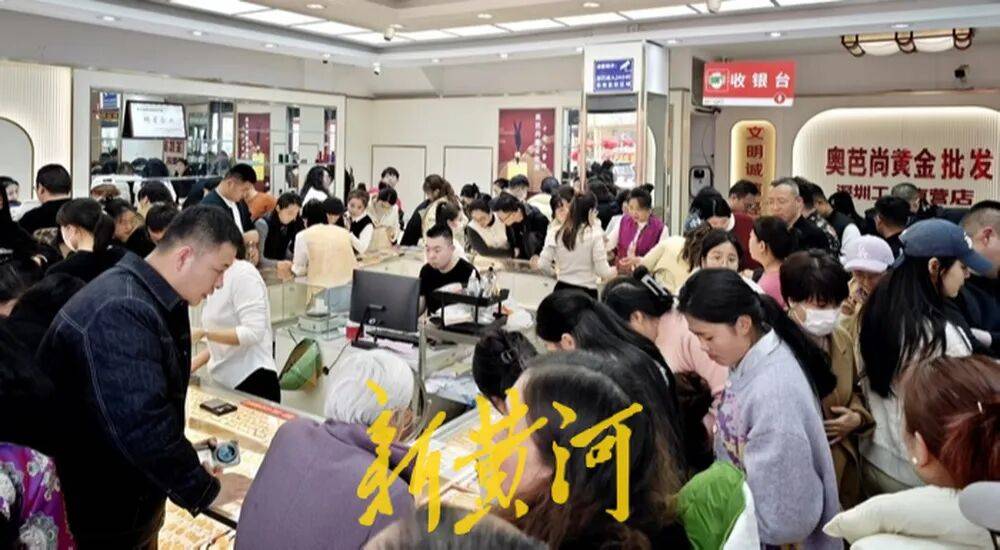
实探“江北最大”中国宝石城:“挤不到柜台前”,像逛黄金“菜市场”
Sou Hu Cai Jing· 2026-02-25 02:03
Core Viewpoint - The international gold price has surged, reaching over $5,228 per ounce, while local prices in China's jewelry market, particularly in the China Gem City, remain significantly lower, attracting many buyers during the Spring Festival [1][19]. Group 1: Market Dynamics - The China Gem City, a major hub for jewelry and gemstones, has seen a dramatic increase in foot traffic, with many customers traveling from various provinces to take advantage of lower gold prices [3][5]. - The price difference between local gold prices in the China Gem City and major brands like Chow Tai Fook and Lao Feng Xiang is substantial, with local prices around 1,149-1,160 RMB per gram compared to 1,515-1,560 RMB for branded stores [9][19]. - The demand for gold has led to the emergence of new businesses, such as local purchasing agents who assist customers in navigating the market and finding the best deals [18]. Group 2: Consumer Behavior - Younger consumers, aged 20-45, are increasingly purchasing gold, viewing it not only as an investment but also as a form of personal expression and psychological comfort [16][15]. - The trend of buying gold has shifted towards more practical items like simple gold bangles, which serve both as wearable items and investment opportunities [14][12]. - The market is characterized by a "compare prices" mentality, with consumers actively seeking the best deals across different stores, leading to competitive pricing strategies among retailers [11]. Group 3: Future Outlook - Analysts predict that gold prices may continue to rise, with expectations of reaching $5,800 per ounce in the second quarter of the year, driven by factors such as a weak dollar and ongoing economic uncertainties [21]. - The gold market is expected to experience high volatility, with potential price fluctuations of 20% to 30% becoming the norm as more individual investors enter the market [19][21]. - Institutions remain optimistic about gold as a long-term investment, suggesting that it should constitute 5% to 15% of household asset allocation for stability [21].

从免工费、碎金回收到杠杆炒金,杰我睿流量“炼金术”揭秘
Di Yi Cai Jing Zi Xun· 2026-02-05 02:30
Core Viewpoint - Shenzhen Jie Wo Rui Jewelry Co., Ltd. (referred to as "Jie Wo Rui") has faced significant liquidity issues since mid-January 2026, affecting investors across multiple provinces in China, despite its rapid growth and popularity on social media platforms [3][5][26]. Group 1: Company Overview - Jie Wo Rui started as a small jewelry store and expanded into a complex platform for trading precious metals, including gold and silver, through high-leverage pre-priced transactions [3][7]. - The company gained traction through its founder Zhang Zhiteng's engaging social media presence, promoting low fees and high buyback prices, which attracted a large user base [4][8][14]. Group 2: User Engagement and Marketing Strategies - The marketing strategy included a "no labor fee" promotion that significantly increased customer numbers, with the company operating nearly 180 user groups, each with around 500 members at peak times [16][17]. - Users reported a sense of reliability due to the company's detailed transaction processes, including personalized service for even small amounts of gold [15][19]. Group 3: Business Model and Financial Operations - Jie Wo Rui's business model evolved to include complex trading features such as pre-priced and approximate price recovery, which initially attracted users but later led to speculative trading behaviors [20][21]. - The company implemented a membership system that incentivized users based on their trading activity, further deepening their engagement with the platform [22]. Group 4: Crisis Development - By late January 2026, Jie Wo Rui began to experience severe liquidity issues, with withdrawal requests piling up and the company announcing a cap on daily withdrawals [26][27]. - The liquidity crisis was attributed to a significant imbalance between the number of buy orders and sell orders, leading to a massive risk exposure for the company [26][27]. Group 5: Legal and Regulatory Implications - The trading practices of Jie Wo Rui have raised legal questions, with experts suggesting that the platform's operations may resemble illegal futures trading due to the lack of regulatory approval [27][28]. - The distinction between legitimate profits from market transactions and potential fraudulent activities will be crucial in any legal proceedings that may arise from the crisis [29][30].
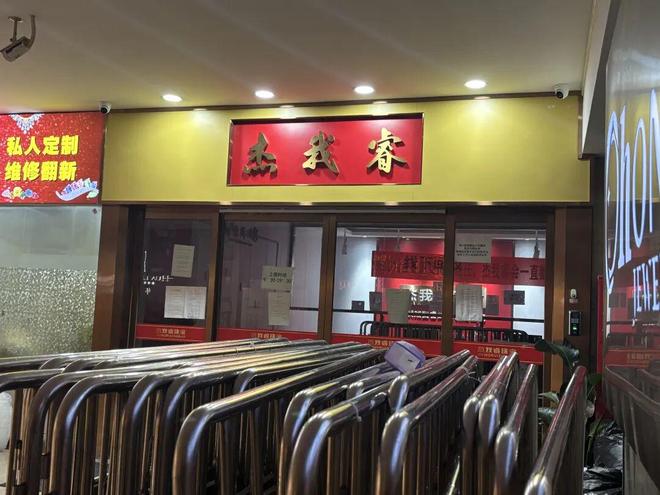
独家|从免工费、碎金回收到杠杆炒金,杰我睿流量“炼金术”揭秘
Di Yi Cai Jing Zi Xun· 2026-02-05 02:05
Core Viewpoint - Shenzhen Jie Wo Rui Jewelry Co., Ltd. is facing a liquidity crisis, impacting investors across multiple provinces in China, following its rapid expansion from a local jewelry store to a complex online trading platform for precious metals [3][5][20]. Group 1: Company Overview - Jie Wo Rui, led by its founder Zhang Zhiteng, gained popularity through social media by promoting low fees and high buyback prices for gold and silver, attracting a large user base [3][8]. - The company has expanded its operations to include various online platforms, creating a vast network of users and increasing its market presence significantly since 2021 [8][20]. Group 2: User Engagement and Marketing Strategies - The marketing strategy involved creating engaging content on social media, which included videos showcasing low fees and attractive offers, leading to a surge in user participation [4][15]. - Users reported being drawn into a complex system of trading and investment, with many participating in high-risk transactions without fully understanding the implications [18][21]. Group 3: Financial Operations and Risk Management - The company utilized customer deposits to manage its trading operations, potentially leading to significant financial exposure as it expanded its services, particularly in silver trading [25][28]. - As the demand for transactions increased, the company faced challenges in fulfilling withdrawal requests, leading to a liquidity crisis that raised concerns among investors [29][30]. Group 4: Legal and Regulatory Implications - The trading model employed by Jie Wo Rui has been characterized as resembling illegal futures trading, raising questions about its compliance with financial regulations [30][31]. - Legal experts suggest that the company's operations could be classified as illegal business practices if it is found to have continued accepting funds despite lacking the ability to fulfill obligations [30][31].