可口可乐碳酸饮料

Search documents
财经观察:“K型”分化严重,如何影响美国人生活
Huan Qiu Shi Bao· 2025-11-13 22:45
Group 1 - The term "K-shaped economy" describes the significant disparity in economic recovery among different social classes in the U.S., where some experience rapid recovery while others face stagnation or decline [2][7]. - In Seattle, the median household income has risen from $180,000 in 2019 to approximately $230,000 by 2025, while the median home price has surged to $1.6 million, highlighting the growing wealth gap [2][3]. - The consumption patterns of Coca-Cola reflect this economic divide, with sales growth driven by high-end products, while low-income consumers are increasingly shopping at discount stores [5][8]. Group 2 - Fast food chains like McDonald's are witnessing a decline in low-income customer visits, prompting them to introduce more special offers to attract this demographic [5][6]. - The automotive market shows a similar trend, with new car sales averaging over $50,000, while loan defaults and repossessions are rising among lower-income consumers [6][7]. - Airlines and hotel chains report a growing demand for premium services, with Delta Airlines noting that first-class and business-class revenues are expected to surpass economy class [6][7]. Group 3 - The economic policies post-pandemic, including unconventional monetary policies, have exacerbated wealth inequality, benefiting the affluent while low-income families face rising costs [7][10]. - The spending habits of the top 10% of income earners account for 49.7% of total consumer spending, the highest since 1989, indicating a growing reliance on this demographic for economic growth [9][10]. - The current economic climate has led to a pessimistic outlook among the general population regarding employment and the labor market, with concerns about long-term structural inequality [10].

可口可乐的百年体育营销,正迎来生死存亡时刻
3 6 Ke· 2025-06-18 02:04
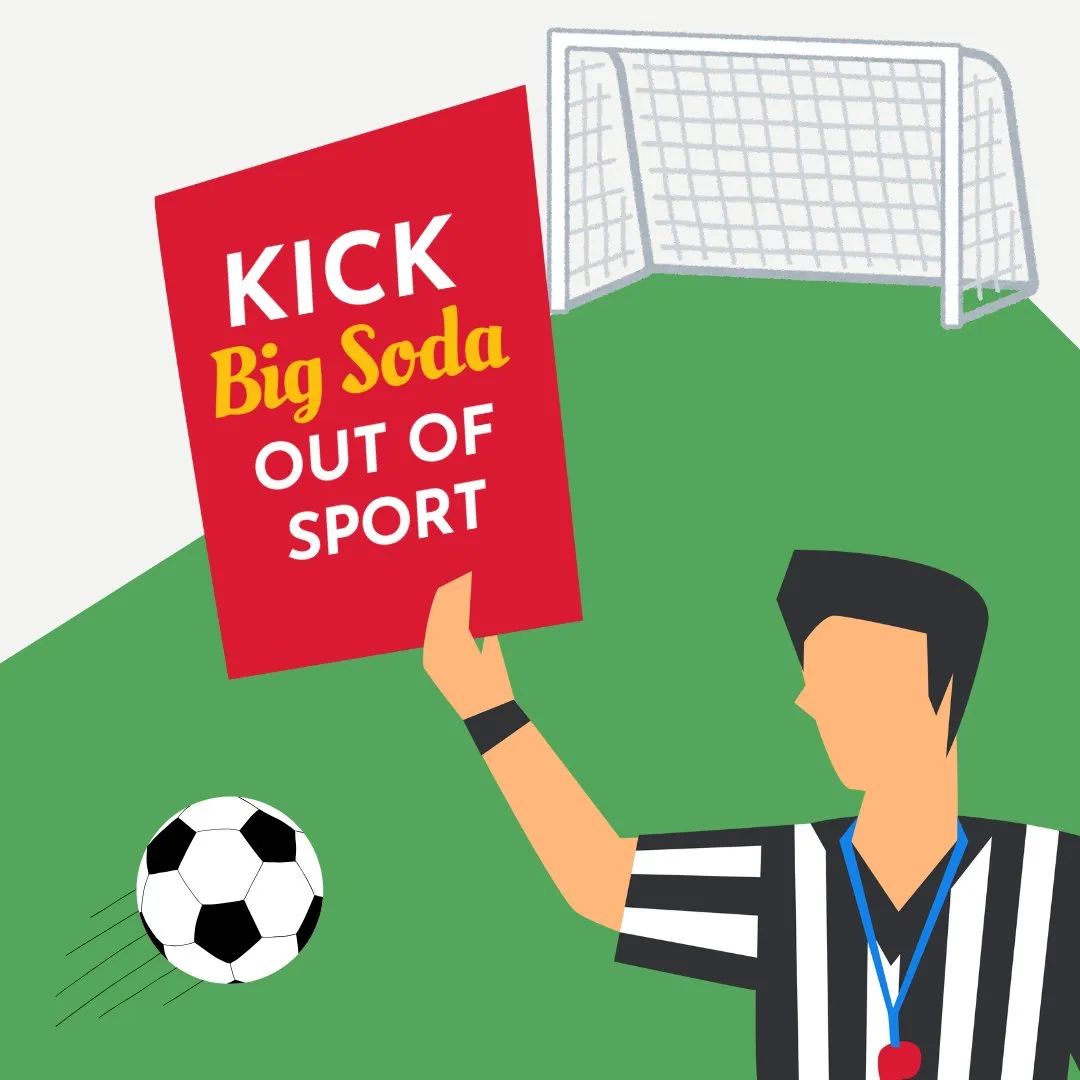
Core Viewpoint - The FIFA World Cup has faced poor ticket sales and minimal media coverage, leading to embarrassment for FIFA [1] - A public health organization, KBSO, is protesting FIFA's long-standing partnership with Coca-Cola, accusing the company of using sports to promote unhealthy sugary drinks [2][4] Group 1: KBSO Movement - KBSO is a coalition of health experts and organizations aiming to sever ties between major soda brands and sports events, emphasizing the need to protect consumers, especially children [2][5] - The movement has gained significant support, with 95 organizations backing it, including renowned medical institutions like The Lancet and Vital Strategies [5] - KBSO's previous campaigns have successfully garnered over 250,000 signatures, highlighting the public's concern over sugary drinks' impact on health [5] Group 2: Health Impact and Marketing - Reports indicate that sugary drinks have led to millions of disability-adjusted life years and deaths due to obesity and related diseases [5] - The KBSO movement's strategy includes exposing how soda companies use sports to enhance their image while downplaying health risks [12][13] - Coca-Cola's marketing heavily relies on a few high-impact articles, with 78% of media coverage during the Olympics being positive, ignoring health concerns [12][13] Group 3: Cultural Shift and Consumer Awareness - The shift in public perception regarding sugary drinks is attributed to increased health knowledge, leading to changes in marketing strategies [19][21] - Coca-Cola's advertising has evolved from promoting the drink itself to focusing on abstract concepts like lifestyle and emotions [21] - The KBSO movement reflects a broader cultural trend where consumers are increasingly wary of unhealthy products associated with sports [25][27]