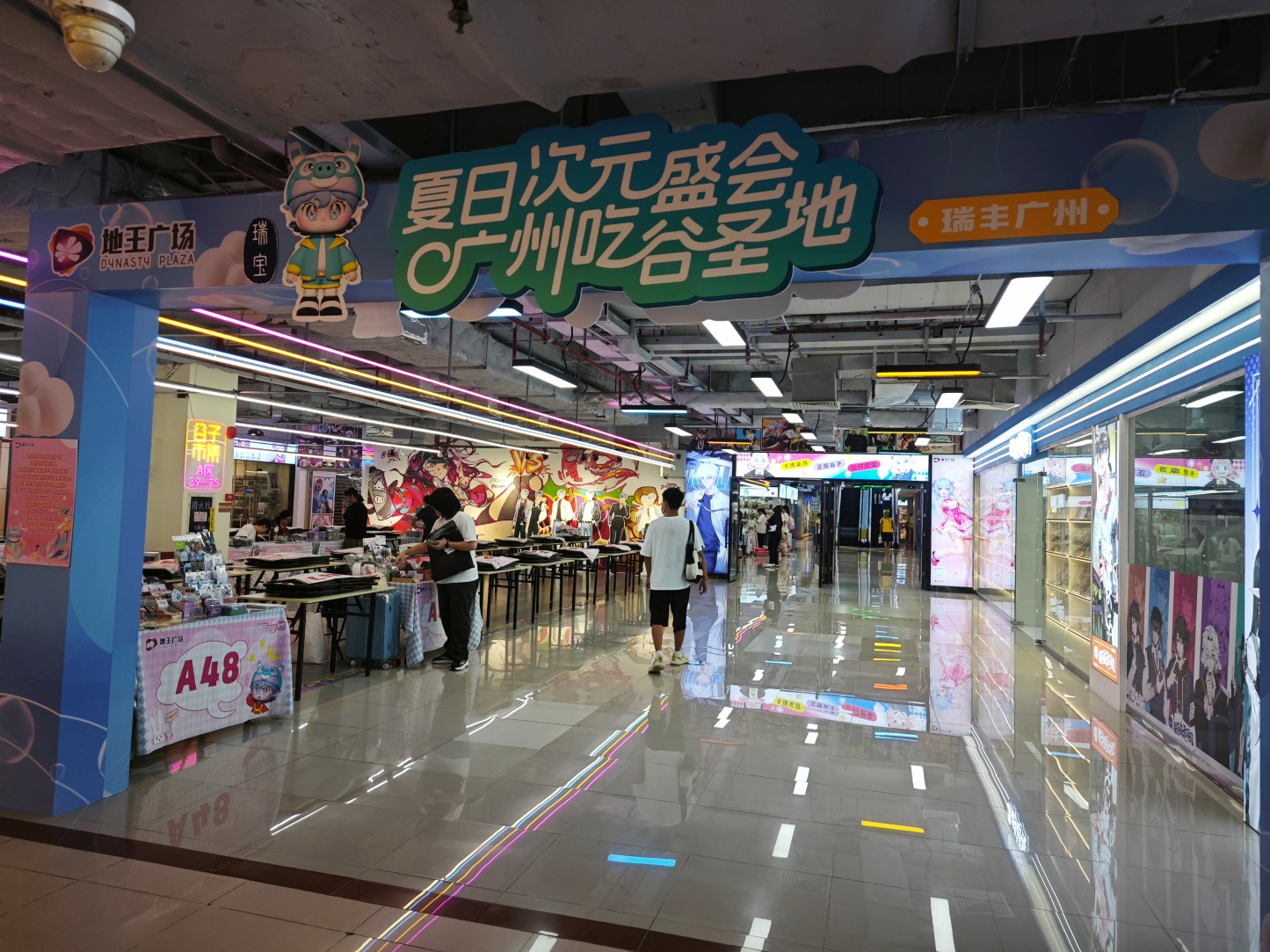
吧唧(徽章)

Search documents
“Z世代”这样过年
Xin Lang Cai Jing· 2026-02-10 21:07
Group 1 - The core viewpoint of the article highlights how the "Z Generation" is revitalizing traditional Chinese New Year customs with innovative practices and emotional consumption [3][4][6] - Young consumers are shifting from materialistic purchases to items that carry emotional value, as seen in the popularity of unique products like the "crying horse" doll, which saw over 20,000 sales within 48 hours [4] - The trend of "customizing" reunion experiences is emerging, with many young people opting for alternative ways to celebrate the New Year, such as traveling or spending time with friends instead of returning home [6] Group 2 - The article discusses the integration of technology and culture in New Year celebrations, with events like VR interactive experiences and cultural festivals attracting young audiences [7][8] - Various regions are hosting cultural activities to engage younger consumers, such as the Sichuan International Dinosaur Lantern Festival and Fuzhou's intangible cultural heritage events [7] - The presence of young professionals in various roles, from engineers ensuring the smooth operation of tech elements at events to entrepreneurs in the new consumption sector, showcases the dynamic spirit of youth during the holiday season [8]

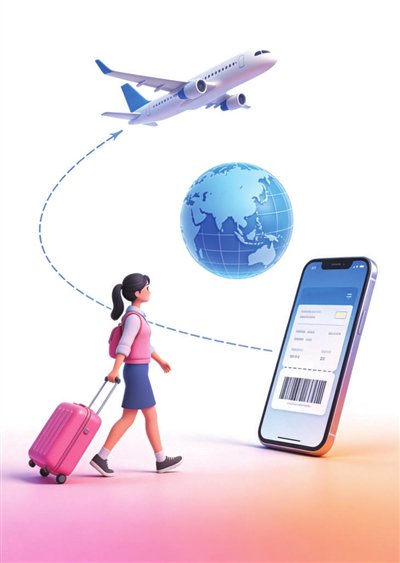
马年“新姿势”
Xin Lang Cai Jing· 2026-02-10 16:59
Group 1 - The core viewpoint of the article highlights how the "Z Generation" is redefining traditional Chinese New Year customs through innovative practices and diverse social interactions [1][2][3] - Young people are increasingly opting for personalized celebrations, such as spending the holiday with friends or traveling, rather than returning home [2][3] - The trend of "reverse Spring Festival travel" is gaining popularity, with significant increases in ticket bookings from smaller airports to major cities [2] Group 2 - The consumption of New Year goods is shifting from material accumulation to emotional value, with young consumers favoring items that resonate personally rather than traditional gifts [3] - Unique products like the "crying horse" doll have gained immense popularity, indicating a strong preference for emotional expression among young buyers [3] - Social media platforms are filled with "00s" sharing their creative New Year meal recipes, reflecting a trend towards convenience and modern cooking methods [4] Group 3 - The integration of technology and traditional culture is becoming a popular choice for young people, with events like VR interactive experiences being sought after [5][6] - Cultural activities are on the rise, with various regions hosting events that blend technology and heritage, attracting younger audiences [6] - Young entrepreneurs and creators are actively participating in cultural markets, showcasing a blend of creativity and technology that resonates with the youth [6]
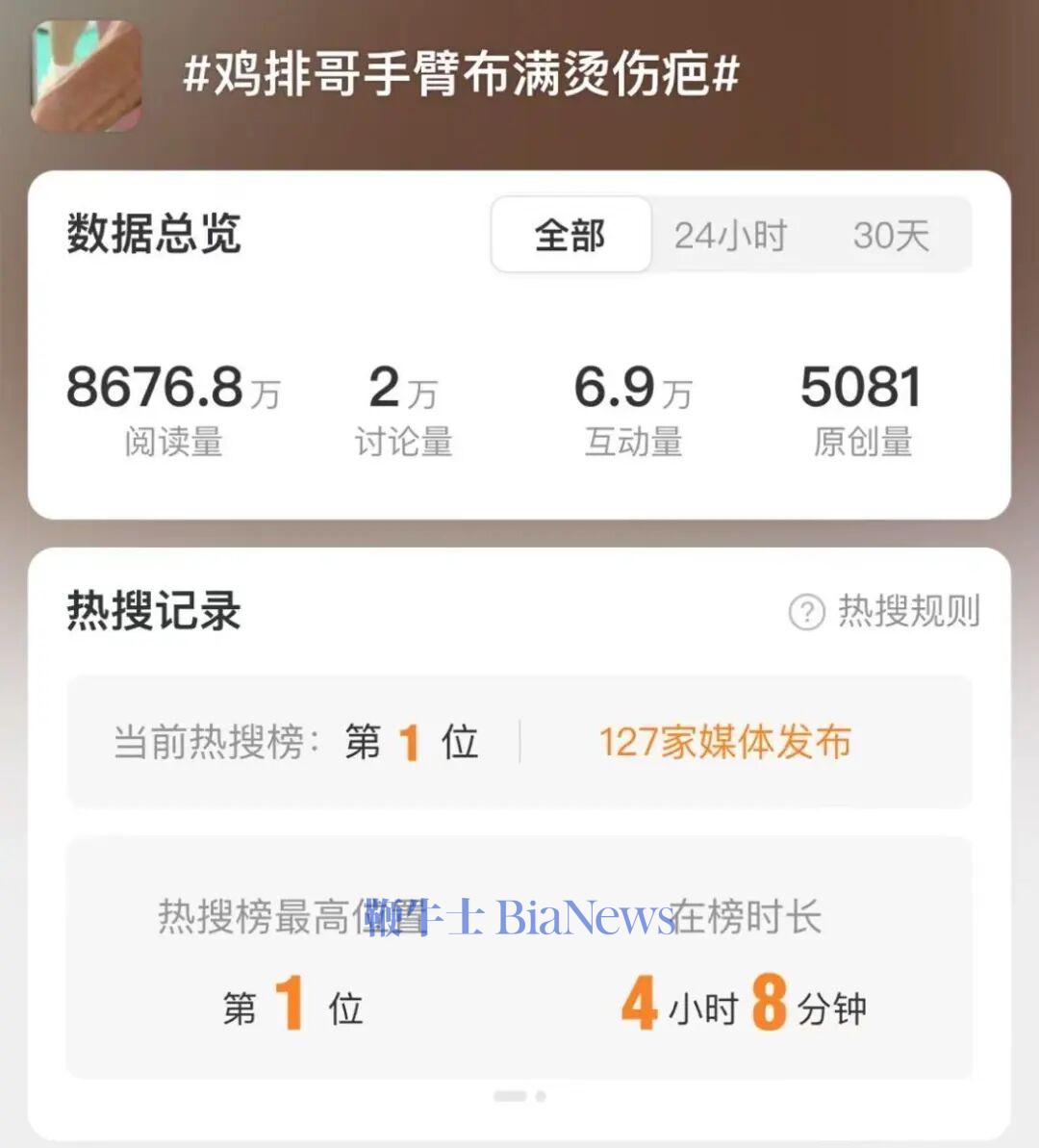
热搜第一!爆火「鸡排哥」回应
Nan Fang Du Shi Bao· 2025-10-02 09:57
Group 1 - The "Chicken Chop Family" opened multiple stalls during the National Day holiday to serve tourists, indicating a strong demand for their products [2] - The stall owner, known as "Chicken Chop Brother," and his wife, "Chicken Chop Sister," work long hours from early morning until the early hours of the next day to prepare fresh chicken, emphasizing their commitment to quality over convenience [3] - Local high school students created badges featuring quotes from "Chicken Chop Brother," showcasing his influence and popularity among the youth [4][6] Group 2 - "Chicken Chop Brother" expressed gratitude towards the students for their thoughtful gifts, which included badges with his famous quotes, highlighting his positive relationship with customers [8] - The students mentioned their admiration for "Chicken Chop Brother's" integrity and hard work, aspiring to emulate his dedication in their own lives [6][4] - The interaction between "Chicken Chop Brother" and the students reflects a strong community connection and the impact of local entrepreneurs on youth culture [9]
“谷子”质量良莠不齐 市场监管部门已将二次元周边产品纳入日常监管
Xin Hua She· 2025-08-13 13:59
Core Insights - The "Guzi economy," referring to the consumption culture and economic form surrounding secondary dimension IP peripheral products, is projected to reach a market size of 168.9 billion yuan in 2024 and exceed 300 billion yuan by 2029 [1] Group 1: Market Overview - The "Guzi economy" is rapidly growing, with young consumers increasingly purchasing items like badges, standees, cards, and figurines, indicating a significant new consumption trend [1] - Concerns regarding the quality and safety of "Guzi" products have emerged alongside this growth, highlighting the need for regulatory oversight [1] Group 2: Quality Concerns - Reports indicate that the quality of "Guzi" products is inconsistent, with issues such as stains, paint peeling, severe color differences, and material shrinkage being common [2][4] - There are alarming claims of harmful substances, such as excessive formaldehyde, being present in these products, raising health concerns, especially for young consumers [4][5] Group 3: Sources of Poor Quality - Investigations reveal that substandard "Guzi" products often result from the use of unqualified materials and lack of proper quality certification [5][6] - Some products may contain harmful chemicals, including plasticizers and heavy metals, posing risks to health, particularly for children [7] Group 4: Sales and Regulation Issues - The market for "Guzi" products includes many items without proper certification, as sellers prioritize profit over compliance with safety standards [9][10] - New products in this category often fall into regulatory blind spots, lacking clear classification under existing safety standards, complicating oversight [11][13] Group 5: Regulatory Actions - Regulatory bodies in regions like Zhejiang and Beijing are beginning to take action to ensure the quality and safety of "Guzi" products, incorporating them into regular market supervision [14][15] - There is a call for the establishment of industry standards and enhanced monitoring of sales channels, including online platforms, to protect consumers [15]