在线视频

Search documents
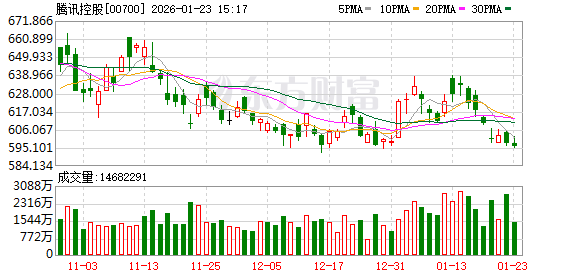
腾讯借力AI查处70余起舞弊案,90多人被解聘
Zhong Guo Jing Ying Bao· 2026-01-23 07:16
Core Insights - The main focus of the report is on the fraudulent activities within Tencent, particularly in the areas of embezzlement and commercial bribery, affecting multiple core business units including IEG, CSIG, and PCG [1][3] - Tencent reported that over 70 cases of violations of its "high-pressure line" were addressed in 2025, resulting in the dismissal of more than 90 employees, with over 20 individuals referred to law enforcement for criminal activities [3] Group 1: Fraudulent Activities - Fraudulent behavior is primarily concentrated in embezzlement and commercial bribery, involving key business departments and subsidiaries of Tencent [1] - Four embezzlement cases have been adjudicated by the courts, with sentences ranging from five months of detention to three years of imprisonment [1] Group 2: AI and Risk Management - Tencent has implemented an AI analysis tool to systematically identify risk points, enhancing contract management and expense reimbursement processes through dynamic monitoring models [1] - The use of AI technology has become a core component of Tencent's anti-corruption system, enabling proactive alerts in critical areas such as partner admission and bidding processes [3] Group 3: Company Policies - Tencent maintains a strict policy of termination for any behavior that violates its "high-pressure line," with a commitment to never rehire such individuals [1] - External companies involved in fraudulent activities are blacklisted, and Tencent will cooperate fully with judicial authorities to pursue legal accountability for suspected criminal acts [1]


日美利率差缩小,日元仍贬值之谜
日经中文网· 2025-12-18 07:33
Core Viewpoint - The traditional conclusion that a narrowing interest rate differential leads to yen appreciation has become invalid, as the yen remains depreciated despite the narrowing of the US-Japan interest rate gap to its lowest level in three years [2][4]. Group 1: Interest Rate Dynamics - The Bank of Japan is expected to discuss raising policy rates in its upcoming meeting, with a 95% probability of an increase predicted by the market [4]. - The actual interest rate differential has shrunk to its lowest level in two and a half years, yet the yen continues to trade around 155 yen per dollar, similar to the beginning of the year [4][6]. Group 2: Economic Indicators - Japan's current account surplus for January to October reached 27.6 trillion yen, with expectations of setting a new historical high for the year [6]. - Japan has experienced trade deficits for four consecutive years, with a deficit of 1.5 trillion yen recorded for the first ten months of 2025, primarily due to dollar-denominated imports [6]. Group 3: Service Balance and Future Projections - The service balance has shown a significant deficit of 5.6 trillion yen, while tourism income has provided a surplus of 5.4 trillion yen, indicating a precarious balance [6]. - Projections suggest that the digital deficit could exceed tourism surpluses, leading to continued yen depreciation, with estimates indicating a potential increase in the digital deficit to 18 trillion yen by 2035 [6][7]. Group 4: Investment Trends - The introduction of Japan's NISA investment scheme has led to increased outflows, with an average monthly outflow of 690 billion yen since its implementation, significantly higher than previous levels [9]. - The number of NISA accounts is expected to rise from 27 million to around 40 million, maintaining a consistent pressure to sell yen at an annual scale of 10 trillion yen for the next 5 to 10 years [9]. Group 5: Fiscal Policy Concerns - Concerns are growing regarding the impact of fiscal stimulus policies on economic growth and the credibility of the yen, as evidenced by rising credit default swap (CDS) margins for Japanese government bonds [9][10]. - The general account total of the supplementary budget for the fiscal year 2025 has reached a new high post-COVID, raising alarms about fiscal expansion [9].

机构:2030年全球电视与视频市场预计突破1万亿美元
Jing Ji Guan Cha Wang· 2025-11-04 07:35
Core Insights - The global online video and traditional television market revenue is expected to exceed $1 trillion by 2030, driven primarily by online video growth as the pay-TV market stagnates [1] - By 2025, global streaming video revenue is projected to reach $214.6 billion, with a compound annual growth rate (CAGR) of 12.8% [1] - Online video subscription revenue is anticipated to account for 77% of the total streaming video revenue by 2025 [1]
QuestMobile2025年高价值人群营销洞察(一):占比六成的中青年人群占据了7成使用时长,千元以上消费能力用户占比超八成
QuestMobile· 2025-06-04 01:59
Core Insights - The article discusses the marketing insights for high-value consumer groups in China by 2025, highlighting the increasing mobile internet usage and the importance of targeting the 19-50 age demographic [2][6][9]. Group 1: User Engagement and Demographics - As of April 2025, the average monthly usage time for mobile internet in China exceeds 170 hours, reflecting a year-on-year growth of 6.6%, indicating significant user engagement potential [6]. - The 19-50 age group represents 61.4% of total monthly active users but accounts for 70.6% of total monthly usage time, showcasing their core value potential [2][6]. - Among this demographic, 82.2% have an online spending capability exceeding 1,000 yuan, with mobile video and social media consuming 42.7% and 25.1% of their time, respectively [3][9]. Group 2: Marketing Trends and Strategies - The 19-50 age group is identified as a key target for marketing due to their high consumption decision-making power and spending capacity [9][11]. - In the first four months of 2025, mobile video and social media platforms captured 41.9% and 19.1% of advertising spending, respectively, indicating a shift in marketing strategies towards these platforms [11]. - The report emphasizes the need for platforms to explore user value, particularly focusing on high-engagement users who exhibit diverse characteristics based on the services provided by different platforms [5][15]. Group 3: Platform-Specific Insights - Social media and short video platforms cater to users' fragmented time, with a relatively small variance in usage duration among users, while video platforms require longer engagement times [16][18]. - WeChat and Weibo maintain high coverage of high-value users, while Xiaohongshu shows strong growth potential among younger demographics [21][26]. - The preferences of high-value users vary across platforms, with WeChat users showing interest in financial management and leisure travel, while Weibo users focus on outdoor activities and health [28][30]. Group 4: Short Video and Online Video Platforms - Short video platforms are characterized by high user scale and engagement, with a growing proportion of high-value users aged 19-35 [34][36]. - Online video platforms rely on high-value users for active engagement, with a strong inclination towards shopping, making them critical for advertising conversion [49][59]. - The content preferences of high-value users on video platforms include genres like fantasy, comedy, and workplace themes, which influence advertising strategies [57][63].