坚果Pro3

Search documents
大厂抢占硬件入口?继手机之后,字节AI眼镜或将跟上
Feng Huang Wang· 2025-12-05 02:00
Core Insights - The competition in the AI sector is shifting from large model parameters to the application of AI in hardware, with major companies vying for the next generation of hardware entry points [2][6] - AI glasses are emerging as a key terminal following smartphones, attracting interest from both startups and major internet companies [2][6] - The integration of AI capabilities into hardware is seen as essential for creating a closed-loop ecosystem, with companies like ByteDance and ZTE collaborating on AI assistant-enabled devices [2][6] Group 1: Industry Dynamics - Major internet companies are racing to establish their presence in the AI hardware market, with the "entry point" being a critical competitive advantage [2][12] - The AI assistant capabilities are being tested in various applications, but face challenges due to strict regulations from major apps like WeChat, which restrict automated operations [10][12] - The integration of AI with hardware is expected to redefine user interaction, potentially leading to a future where devices operate based on user intent without traditional interfaces [6][12] Group 2: Company Strategies - ByteDance's collaboration with ZTE on the "Doubao AI Assistant" smartphone aims to enhance user experience by enabling advanced functionalities like game automation and smart device control [2][7] - Alibaba's launch of the Quark AI glasses, featuring the Qianwen assistant, marks its entry into the AI hardware space, emphasizing voice control capabilities [6][14] - Baidu leverages its search capabilities to enhance the functionality of AI glasses, allowing for voice-activated information retrieval, positioning itself uniquely in the market [15] Group 3: Challenges and Opportunities - The lack of hardware expertise among internet giants poses significant challenges in developing competitive AI hardware products [13][14] - Despite the challenges, companies like ByteDance and Alibaba have unique advantages, such as user traffic and established B2B relationships, which could facilitate their success in the hardware market [14][15] - The ongoing competition and regulatory hurdles highlight the need for companies to navigate the complex landscape of app permissions and user privacy while developing AI-enabled devices [11][12]

字节“造”手机:走华为造车的路,打阿里腾讯的脸?
Xin Lang Cai Jing· 2025-12-02 05:56
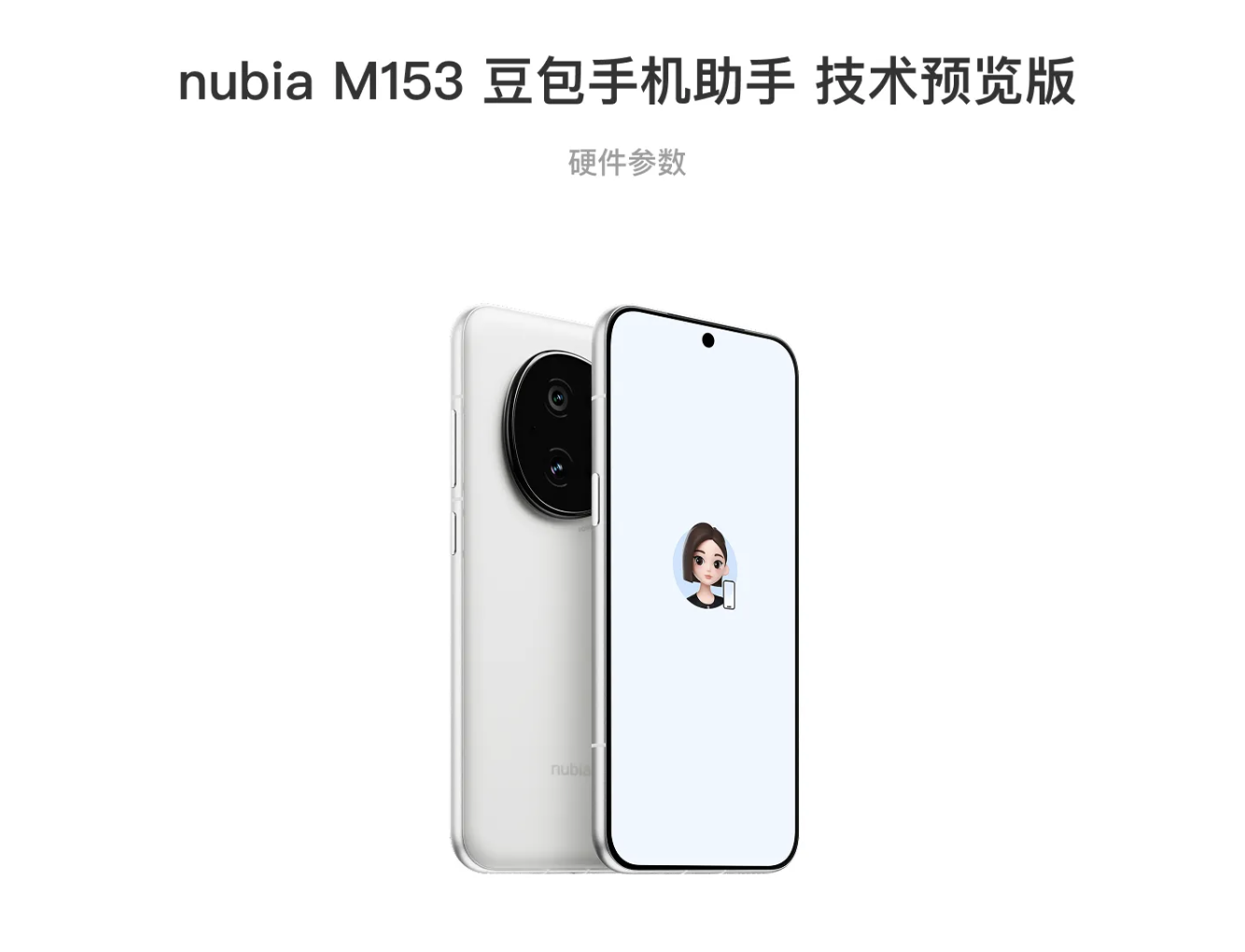
Core Viewpoint - ByteDance is set to release an AI-integrated smartphone in collaboration with ZTE, marking a significant move into hardware without directly manufacturing devices, leveraging its AI capabilities instead [1][2][3]. Group 1: ByteDance's Smartphone Strategy - ByteDance is collaborating with ZTE to launch an AI smartphone, where ByteDance leads the integration of its AI model, Doubao, while ZTE focuses on hardware design and manufacturing [1]. - The smartphone will feature a high-permission AI Agent that can execute complex tasks across applications, significantly enhancing user experience compared to traditional AI applications [1][2]. - This strategy allows ByteDance to embed its AI capabilities deeply into hardware without the need to produce its own devices, similar to Huawei's approach in the automotive sector [3][4]. Group 2: Comparison with Competitors - Other tech giants like Tencent and Alibaba are also developing AI Agents, with Tencent's WeChat aiming to create a comprehensive ecosystem that integrates various services within its platform [13][14]. - Alibaba's "Qianwen" project aims to create a personal AI assistant that can seamlessly integrate with its existing services, enhancing user experience through a closed-loop system [15]. - However, both Tencent and Alibaba face limitations in their ecosystems, as their AI Agents are constrained by the need for data sharing and permissions from third-party applications, which may hinder their effectiveness [16]. Group 3: Lessons from Past Experiences - ByteDance previously acquired Smartisan Technology but faced challenges in the smartphone market, leading to a strategic shift towards partnerships rather than direct hardware production [9][10]. - The decision to collaborate with Nubia reflects a learning curve from past experiences, allowing ByteDance to focus on its strengths in AI technology while avoiding the pitfalls of hardware manufacturing [11]. - This approach not only mitigates risks associated with hardware sales but also positions ByteDance as a technology provider, potentially redefining standards in the AI smartphone market [12].
如今对于字节跳动来说,是真不想做“豆包手机”
3 6 Ke· 2025-08-26 00:04
Core Insights - DeepSeek's download volume has plummeted by 72.2%, highlighting a rapid decline from a peak popularity within just six months [1] - ByteDance's AI assistant, Doubao, has gained significant traction, achieving 147 million monthly active users by June this year, establishing itself as a leader in the domestic AI assistant market [3] - There are rumors about ByteDance developing its own AI smartphone, but the company has denied any plans for such a product, focusing instead on providing AI capabilities to various hardware manufacturers [3][5] Company Strategy - ByteDance is exploring AI hardware opportunities, evidenced by its existing products like Ola Friend smart headphones and the development of AI glasses, but entering the smartphone market is deemed unlikely due to the competitive landscape [5][9] - The consumer market shows a lack of interest in AI smartphones, with only 19% of surveyed U.S. consumers willing to pay a premium for AI capabilities in phones, indicating a disconnect between manufacturer offerings and consumer needs [5][7] - ByteDance's previous attempt to enter the smartphone market through the acquisition of Smartisan's team did not yield significant results, as the market was already saturated and lacked compelling selling points [9] Market Dynamics - The current smartphone market is characterized by low margins, with manufacturers relying on software services for profitability, making hardware ventures less appealing for a company like ByteDance, which excels in internet services [9][12] - The competitive landscape is fierce, with established players like Huawei, Xiaomi, and others having the resources to develop their own AI capabilities, making it challenging for ByteDance to position itself as a hardware competitor [12][14] - ByteDance is better positioned as an AI capability provider, offering APIs to hardware manufacturers, which could enhance its competitive edge in the AI model pricing war [14]
坚果向左 老罗向右
Jing Ji Guan Cha Wang· 2025-05-08 02:52
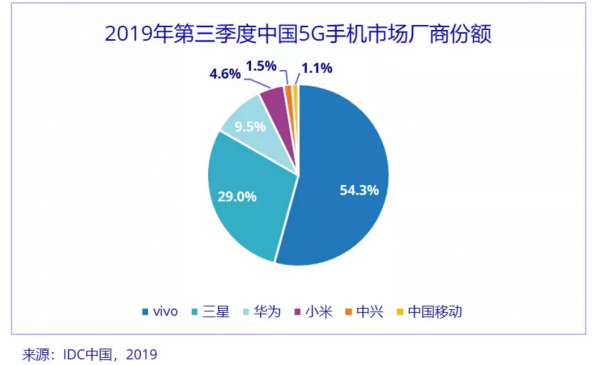
Core Viewpoint - The separation of Luo Yonghao and the Smartisan brand has led to divergent paths, with Luo facing legal and financial challenges while the Smartisan team, now under ByteDance, aims for a fresh start with new product launches and ambitions in the 5G market [1][2][19]. Group 1: Luo Yonghao's Challenges - Luo Yonghao has been placed on a "restriction on consumption" list by the court, leading to negative public perception and labeling him as a "debtor" [1][5]. - He has publicly acknowledged his financial struggles, stating he has repaid 300 million yuan over the past 10 months and is actively seeking ways to settle his debts [6][19]. - Despite the challenges, Luo remains in the public eye, with various offers from the cryptocurrency sector to support his financial recovery [6][19]. Group 2: Smartisan's New Direction - The Smartisan team launched the Smartisan Pro 3, their first product under ByteDance, marking a significant shift from the previous leadership of Luo Yonghao [1][3][12]. - The launch event lacked the excitement typically associated with Luo's presentations, indicating a change in brand perception and audience engagement [4][8][11]. - The new leadership under Wu Dezhou emphasizes a focus on integrating ByteDance's operational strengths into product development, aiming to enhance market competitiveness [16][15]. Group 3: Market Context and Future Prospects - The launch of the Smartisan Pro 3 coincided with the official rollout of 5G services in China, positioning the brand to capitalize on emerging market trends [3][17]. - The Smartisan team plans to introduce additional products, including educational smart hardware, and aims to be a key player in the 5G market [16][17]. - The competitive landscape for 5G smartphones is intensifying, with major players like Vivo and Huawei already establishing a strong presence [17].