培养肉

Search documents
2026中东海湾食品展全球首发:AI、机器人与生物科技引爆食品行业
Zhong Guo Shi Pin Wang· 2026-01-14 09:45
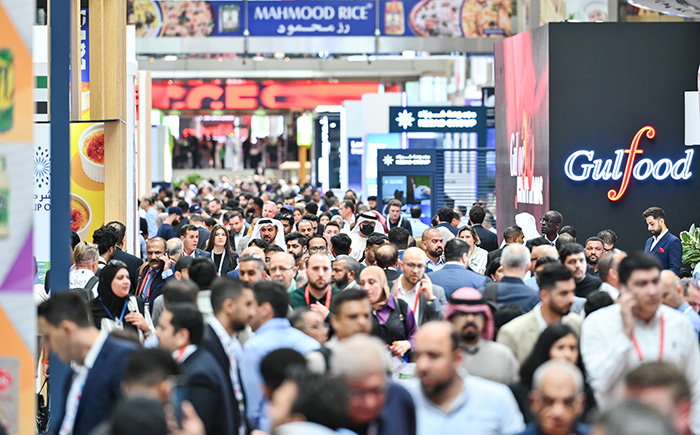
Group 1 - The Gulfood 2026 will take place from January 26 to 30, 2026, in Dubai, featuring over 8,500 international exhibitors and participants from 195 countries, covering twelve core sectors of the food industry [1] - The event will focus on food technology innovation, emerging AI trends, digital upgrades, and sustainable solutions, positioning itself as a driving force for the future growth of the food and beverage industry [4][9] - AI is becoming a significant technological force in the food industry, enhancing efficiency from "farm to table" through demand forecasting, waste reduction, and data-driven production decisions [7][8] Group 2 - The AI-driven food technology market is projected to reach approximately $27.73 billion by 2029, while the alternative protein market is expected to grow to $185.49 billion by 2029 [8] - Innovations in cultivated meat and precision fermentation dairy products are accelerating commercialization, offering both sustainability and market profitability [8] - The 3D food printing market is anticipated to reach $425.7 million by 2034, driven by increasing personalized nutrition demands [8] Group 3 - The World Economic Forum estimates that innovations around food and agricultural sustainability could unlock approximately $2.3 trillion in new commercial value by 2030 [9] - Gulfood 2026 will serve as a premier international platform for showcasing food technology innovations, enabling companies to capture new opportunities and enhance competitiveness [9][10] - The event is not just a food exhibition but a strategic international event aimed at upgrading the global food industry and shaping the market landscape for the next decade [9]


合成生物学-培养肉!江南大学陈坚院士团队发文!
合成生物学与绿色生物制造· 2025-10-09 07:47
/生物制造产业社群/ 让上下游聚在一起, 未来食农、绿色化工、大健康、美妆个护 等产业同行❤️↓ SynBio团队 | 江南大 学 赵鑫锐研究员 、 堵国成教授 细胞农业作为新兴的革命性生物技术,依托细胞培养与组织工程技术,从供体动物中获取细胞,在生 物反应器中生产蛋白质、脂质及组织,从而获得与传统畜牧产品分子等价的农产品。 培 养 肉 (Cultured Meat, CM)是细胞农业的核心方向之一,通过体外培养动物肌肉细胞生产可食用组 织,无需直接屠宰牲畜。与传统肉类相比,培养肉可显著减少温室气体排放与环境负担,降低抗生素 耐药性与人畜共患病风险,成为应对全球肉类消费增长与资源压力的潜在解决方案。然而,CM生产 仍面临多重技术瓶颈,包括细胞系筛选、无血清培养体系构建、组织成熟度控制及风味与营养特性重 建等。其生产过程一般包括细胞分离、增殖扩增、组织分化与后处理四个阶段,要求精准控制以确保 食品安全与感官质量。 为解决关键问题,合成生物学(synthetic biology, synbio)正成为推动CM产业化的突破口。通过 代谢与基因重编程,合成生物学可设计微生物底盘细胞,用于生产重组生长因子、风味增强物及 ...