
多头小菊

Search documents
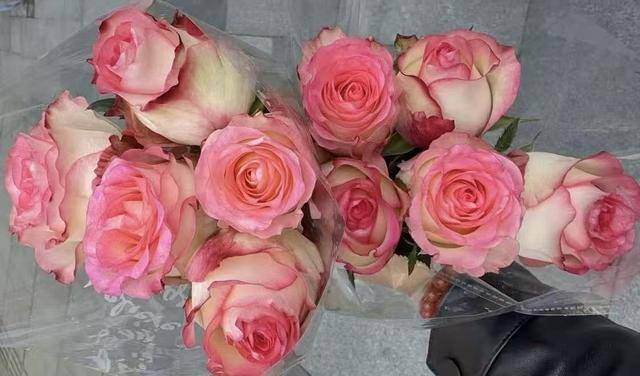
九块九的鲜花让悦己消费成为日常
Sou Hu Cai Jing· 2025-11-24 21:05
Core Insights - The flower retail market in China is projected to reach nearly 220 billion yuan in 2024, with daily self-consumption accounting for over 40% of sales [1] - The shift from seasonal gifting to everyday purchases is driven by changing consumer attitudes and improved supply chain efficiencies [1][11] Group 1: Market Trends - The demand for affordable flower bouquets, such as the 9.9 yuan offerings, has increased significantly, with Meituan's flash purchase platform reporting a 15.7% year-on-year growth in flower transaction volume for 2024 [1][5] - In five-tier cities, flower transaction volume is expected to grow by 24.6% year-on-year, contributing over one-third of total sales [5] - The primary motivation for purchasing flowers has shifted, with 66% of consumers buying flowers to express emotions and 59% for home decoration, surpassing the 36% who buy for celebrations [5] Group 2: Consumer Behavior - The 25-35 age group accounts for 68% of online flower orders, with female users making up 74%, indicating a trend towards frequent, small-scale purchases [7] - Consumers are increasingly viewing flowers as a daily necessity rather than a luxury, with the average annual flower consumption in China at only about 10 stems, compared to 60 stems in countries with similar income levels [7] Group 3: Supply Chain Innovations - Supply chain upgrades have significantly reduced costs, allowing vendors to sell bouquets at lower prices while maintaining profitability; for instance, the cost of a bouquet is now controlled at under 5 yuan [8][9] - The OMO (Online-Merge-Offline) model has been effectively implemented, with examples like Yunnan's green fresh flower city warehouse reducing procurement costs by 25% and waste rates from 15% to below 5% [9] - The integration of e-commerce platforms has further accelerated market growth, with companies like Hema establishing efficient cold chain logistics to deliver fresh flowers within 24 hours [9][11]

农家吃上生态饭
Ren Min Ri Bao· 2025-05-22 22:02
Core Insights - The article highlights the growth and success of ecological agriculture in Ningde City, particularly focusing on high-altitude late-maturing grapes and multi-headed chrysanthemums as key products driving economic development [1][2]. Group 1: Company Development - Xu Wanhao Ecological Agriculture Development Co., Ltd. has established three high-standard bases and a post-harvest processing center, producing an average of 650 tons of grapes annually and purchasing around 1,500 tons from local farmers, achieving sales exceeding 27 million yuan last year [1]. - The company has registered eight brands, including "Xuanlian" and "Yundian," with products sold nationwide and exported to countries like South Korea and Japan [1]. Group 2: Industry Growth - The planting area for high-altitude late-maturing grapes in Zhou Ning reached 5,500 acres last year, generating an annual output value of 88 million yuan, with over 70 enterprises and cooperatives participating in the cultivation [1]. - The ecological agriculture model in Zhou Ning, characterized by "leading enterprises + village collectives + cooperatives + farmers," has benefited thousands of farmers, with individual farmers like Ling Lianghua and Li Fen reporting significant income increases from their agricultural activities [2]. Group 3: Future Outlook - The agricultural authorities in Zhou Ning emphasize the ecological advantages as the region's main competitive edge and plan to deepen agricultural supply-side reforms to strengthen the grape and flower industries, promoting the integration of primary, secondary, and tertiary industries [2].