大众甲壳虫

Search documents
总销量154万台,国民神车复活!纯电小车时代来了?
电动车公社· 2026-02-10 16:02
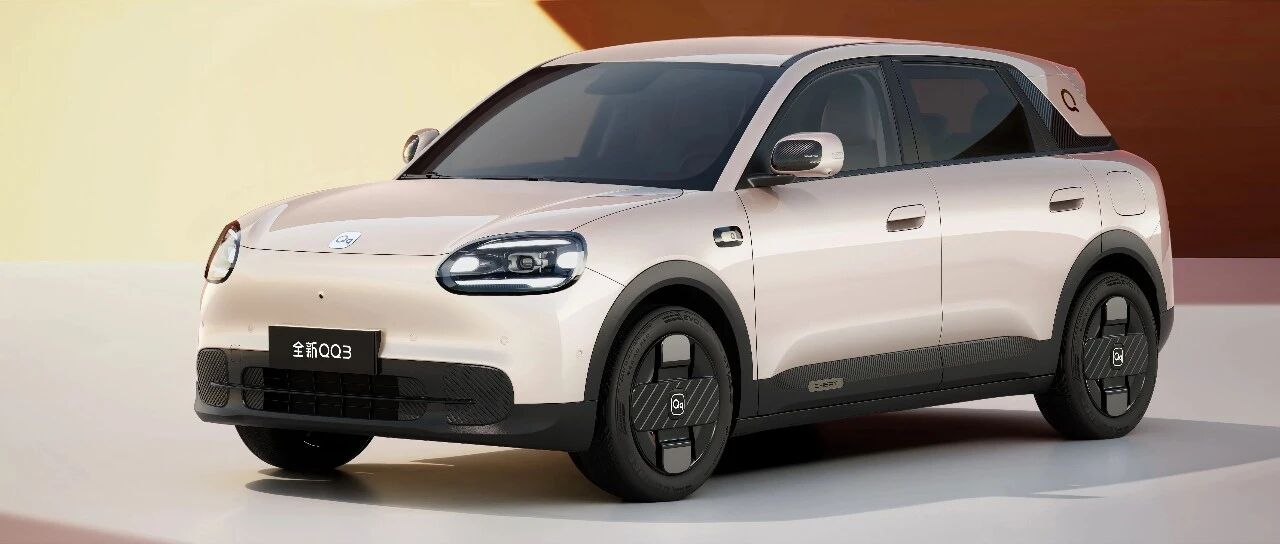
Core Viewpoint - The small car market is set to experience significant changes and growth, highlighted by the successful launch of new models like the Honda Fit and Chery QQ3, indicating a shift in consumer preferences and market dynamics [1][5][7]. Group 1: Market Dynamics - The new Honda Fit sold out its limited 3,000 units within a short period, showcasing a successful marketing and sales strategy [2][4]. - In contrast, the Chery QQ3 received 27,319 blind orders within just 3 hours of its launch, indicating a strong demand for electric small cars [5][7]. Group 2: Historical Context of Small Cars - Small cars have historically been defined by their size and affordability, catering to essential transportation needs while gaining popularity for their practicality [8][11]. - The evolution of small cars has been influenced by their low entry barriers and ease of imitation, allowing emerging automotive markets to adopt and adapt successful designs [15][16][20]. Group 3: Changes in Chinese Small Car Market - The Chery QQ, launched in 2003, became a market sensation with a starting price below 40,000 yuan, offering features that were competitive for its time [27][30]. - The market for small cars in China has shifted as consumer preferences evolved, with a growing demand for larger, more comfortable vehicles and the rise of compact cars and SUVs [35][37]. Group 4: The New Era of Electric Small Cars - The introduction of the Wuling Hongguang MINI EV in 2020 marked a turning point for electric small cars in China, offering an affordable and practical solution for urban transportation [43][44]. - The competitive landscape for electric small cars is rapidly evolving, with numerous models emerging that emphasize original design and local supply chain capabilities [52][54]. Group 5: Future Outlook - The Chery QQ3 represents a new chapter for the brand, combining modern technology and design to meet the demands of today's consumers [62][65]. - The strong initial demand for the QQ3, evidenced by its blind orders, suggests a promising future for small electric cars in the Chinese market [73].

特朗普称赞日本小型车“真的很可爱”
日经中文网· 2025-12-05 02:51
Core Viewpoint - President Trump has expressed interest in promoting the production of small cars in the U.S., inspired by his observations during his visit to Japan and South Korea, where he noted the popularity of compact vehicles like the Volkswagen Beetle [2][3][5]. Group 1: Small Car Production - Trump has instructed U.S. Transportation Secretary Chao to approve the production of small cars, indicating a positive reception from those he consulted about their potential popularity in the U.S. market [5]. - The specific type of small cars mentioned by Trump remains unclear, as he did not specify whether he was referring to compact cars or Japan's kei cars [6]. - Honda's N-BOX, a well-known kei car, was highlighted by Trump, who noted that despite its success, it has not been approved for production in the U.S. [6]. Group 2: Market Potential - Trump emphasized the importance of affordability in the automotive market, suggesting that the removal of certain tariffs on food is an example of this focus [6]. - He stated that if small, affordable cars become more prevalent, it could represent a significant market opportunity for consumers [6].


从耐克到苹果,顶尖企业都在精心布局这个未来赛道
3 6 Ke· 2025-07-25 01:19
Core Insights - A new market is emerging that is shaped not just by age but by longevity, self-reinvention, and multi-generational living, presenting significant growth opportunities for companies that adopt a full lifecycle design approach [1][3]. Demographic Shift - According to UN statistics, one in six people globally is over 60, and this ratio is expected to double by 2050. In the U.S., the number of adults aged 65 and older will surpass those under 18 by 2034. Over 100 countries have fertility rates below replacement level, with countries like China, Japan, Italy, and South Korea experiencing population decline [4]. - Older adults are increasingly capable and ambitious, with many starting businesses, caring for family, or participating in marathons, yet they remain underrepresented in workforce planning, product design, and marketing [4]. Market Opportunities - Many companies still view aging as a risk rather than an opportunity, focusing on short-term KPIs and neglecting the potential of older professionals. In the U.S., adults over 50 control nearly 70% of household wealth and account for 42% of consumer spending [4]. - Companies like Nike and Apple are beginning to recognize this shift, developing products and marketing strategies that appeal to older consumers, although these are still isolated cases [5]. Strategic Shifts - Companies need to shift from age-centric views to inclusive product design that considers various life stages and abilities, moving beyond generational stereotypes [6][7]. - Marketing strategies should redefine aging as a process of self-reinvention rather than decline, focusing on the aspirations of older adults [9][10]. Workforce Dynamics - Traditional career models are outdated; companies should embrace flexible career paths and recognize the value of older employees, as seen in initiatives by CVS and Caterpillar [12][13]. - Intergenerational collaboration should be encouraged, leveraging diverse perspectives to drive innovation, as demonstrated by GE's reverse mentoring program [14][19]. Actionable Steps - Companies can adopt age-inclusive strategies by assessing blind spots and opportunities, recognizing that demographic changes are already reshaping the workforce and consumer behavior [20][22]. - Implementing dual mentoring programs, training managers on intergenerational differences, and redesigning talent models for longevity can enhance resilience and adaptability [22].