
太阳能光热系统

Search documents
“变废为宝”清洁供暖有新招 保障百姓绿色取暖、温暖过冬
Yang Shi Wang· 2025-11-20 09:22
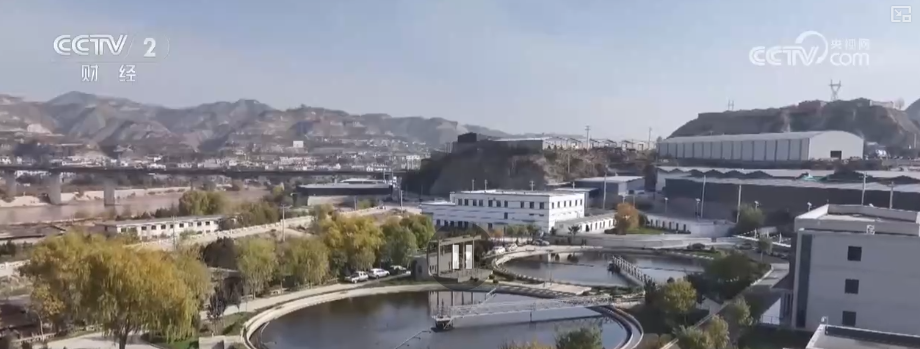
Core Points - The article discusses the exploration of clean heating methods in Gansu Province, particularly in Lanzhou, aiming to reduce energy consumption and carbon emissions during the heating season [1] Group 1: Urban Heating Innovations - Lanzhou has introduced the first sewage source heat pump station in Gansu, set to operate in the 2025 heating season, which can reduce carbon emissions by 47,000 tons annually compared to traditional gas boilers [1] - The sewage source heat pump technology extracts thermal energy from treated sewage without burning fossil fuels, creating a closed system that returns sewage to the treatment plant [6] - Another project in the Qilihe District utilizes geothermal water extracted from 2,300 meters underground, saving over 7,000 tons of standard coal and reducing CO2 emissions by approximately 19,000 tons each year [8] Group 2: Rural Clean Heating Initiatives - In rural areas, Gansu is promoting clean heating solutions, such as solar thermal systems that convert solar energy into heat for residential use without coal stoves [11] - In Huai County, villagers are installing biomass clean energy boilers that use agricultural waste as fuel, effectively reducing coal pollution and promoting waste recycling [12] - A total of 5,150 households in Huai County are set to implement clean energy heating renovations by 2025, significantly lowering atmospheric pollutant emissions [12]

北京发布6项绿色低碳地方标准,涉及碳排放等关键领域
Zhong Guo Xin Wen Wang· 2025-10-19 02:04
Core Insights - Beijing's market supervision authority has released six local standards aimed at promoting green and low-carbon development, focusing on carbon emissions, energy consumption limits, resource recycling, and energy measurement systems [1][2][3] Carbon Emission Standards - The new guideline for carbon emissions in industrial parks outlines technical requirements for carbon emission evaluation, accounting, and pollution reduction measures, integrating low-carbon concepts into planning stages [1] - The standard aims to transition environmental impact assessments from traditional methods to a collaborative approach that includes climate change considerations [1] Energy Consumption Limits - Revised standards for energy consumption limits in the production of liquor and synthetic detergents provide specific energy consumption thresholds based on production methods, encouraging the adoption of advanced energy-saving technologies [2] - These standards are designed to enhance energy management levels in production enterprises and provide a scientific basis for government energy-saving monitoring [2] Resource Recycling Initiatives - A new technical specification for the use of sludge products in mine soil reconstruction has been established, addressing utilization requirements and environmental monitoring, which is crucial given the city's annual sludge production of approximately 2.19 million tons [2] - The updated design specifications for wastewater source heat pump systems include new requirements for planning and monitoring, aimed at improving design quality and system reliability [2] Energy Measurement Guidelines - A guideline for energy measurement in enterprises focuses on the hierarchical measurement of energy systems, including renewable energy sources, and specifies measurement methods for various renewable energy systems [3] - The standard outlines two main applications for renewable energy measurement data: energy audits and carbon footprint calculations, which will help optimize energy structure and carbon reduction strategies [3]
北京发布6项绿色低碳地方标准,涉及能源计量体系建设等关键领域
Zhong Guo Xin Wen Wang· 2025-10-13 06:07
Core Points - Beijing's market supervision authority has released six local standards aimed at promoting the city as a benchmark for international green economy, focusing on carbon emissions, energy consumption limits, resource recycling, and energy measurement systems [1] Group 1: Carbon Emissions - The new guideline for carbon emissions in industrial parks outlines technical requirements for carbon emission evaluation indicators, accounting, analysis, and pollution reduction measures, integrating low-carbon concepts into planning stages [1] - The standard aims to upgrade environmental impact assessments to include climate change responses, enhancing resource allocation and carbon efficiency in industrial parks [1] Group 2: Energy Consumption Limits - Revised standards for energy consumption limits in the production of liquor and synthetic detergents provide specific energy consumption thresholds based on production processes, encouraging the adoption of advanced energy-saving technologies [2] - These standards are designed to optimize energy management levels in production enterprises and provide a scientific basis for government energy-saving monitoring [2] Group 3: Resource Recycling - A new technical specification for the use of sludge products in mine soil reconstruction sets requirements for utilization, environmental monitoring, and documentation, supporting the large-scale application of sludge in mine restoration [2] - The revision of the sewage source heat pump system design specification enhances the design level and operational reliability of sewage source heat pump systems, promoting broader application of this technology [2] Group 4: Energy Measurement - A guideline for energy measurement in enterprise energy systems focuses on the hierarchical measurement of energy use, including renewable energy systems, and specifies measurement methods for various renewable energy technologies [3] - The standard outlines two main applications for renewable energy measurement data: energy audits and carbon footprint accounting, aiding enterprises in optimizing energy structure and carbon reduction strategies [3]