
奥迪Concept C

Search documents
后窗,正在从车尾消失
汽车商业评论· 2026-01-15 23:08
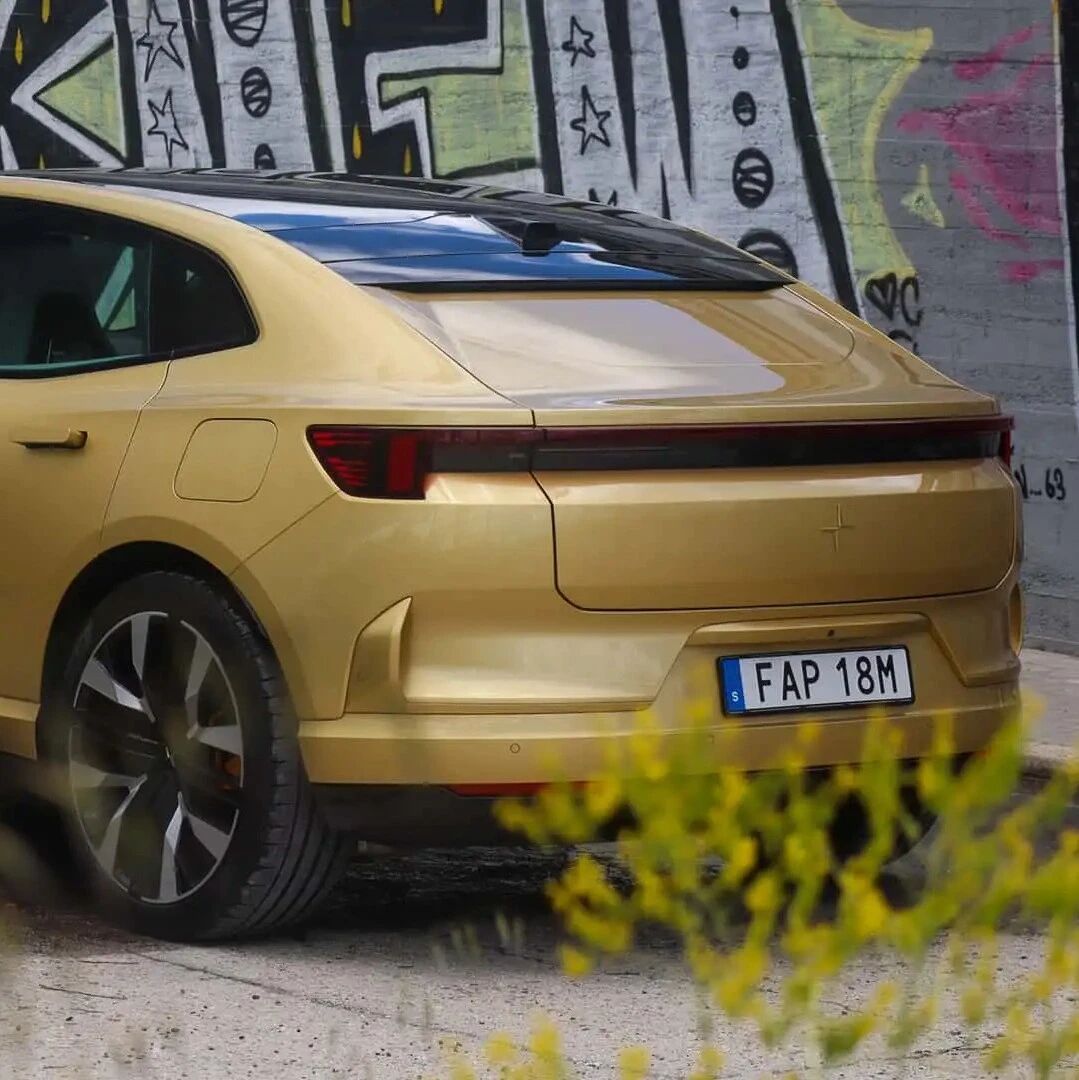
Core Viewpoint - The article discusses the emerging trend of eliminating rear windows in car designs, exemplified by models like Polestar 4 and Polestar 5, which utilize advanced camera technology to replace traditional rear windows, indicating a significant shift in automotive design philosophy driven by technological advancements [3][6][11]. Design Innovations - Polestar 4 features a "no rear window" design, replacing it with a solid panel and a wide-angle camera that streams real-time images to an internal display [3]. - Other brands like Jaguar, Audi, and Ferrari are also moving towards designs with closed rear ends or minimal window openings, indicating a broader industry trend [6][8]. - Audi's Concept C integrates narrow horizontal slits at the rear for light and aesthetic purposes, while Ferrari's 812 Competizione uses solid aluminum to enhance aerodynamics and performance aesthetics [10][12]. Technological Drivers - The shift towards no rear windows is attributed to advancements in technology, including high-definition external cameras and internal displays, which allow for improved visibility without the need for glass [14][15]. - The design changes are also influenced by safety standards that require stronger vehicle structures, which inadvertently reduce rear visibility [12][14]. Historical Context - The concept of cars without rear windows is not new; historical models from the 1930s, such as the KdF V30 prototype and Tatra 77, also featured designs that minimized or eliminated rear visibility for aerodynamic benefits [16][19]. - Legal frameworks, such as the U.S. Federal Motor Vehicle Safety Standards, allow for alternative visibility solutions, providing a regulatory basis for the adoption of camera systems instead of traditional windows [23]. Controversies and User Experience - There are ongoing debates regarding the impact of no rear windows on passenger experience and driver visibility, with some users expressing discomfort and concerns about the reliance on camera systems [24][25]. - While 90% of Polestar 4 customers reportedly accept the design, issues such as a sense of enclosure for rear passengers and the need for drivers to adapt to the absence of a rear window remain significant challenges [25][27]. - Critics argue that the benefits of removing the rear window must be weighed against potential drawbacks in user experience, especially before the full realization of autonomous driving technology [29].

电动车的“老脸”,BBA不想要了
3 6 Ke· 2025-12-03 01:32
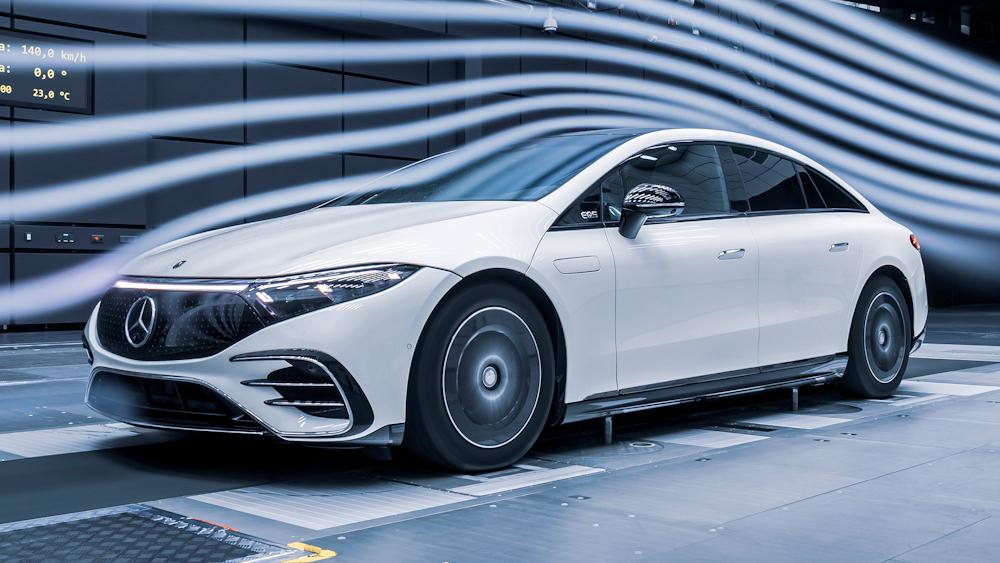
Core Insights - The article discusses the evolving design strategies of luxury car manufacturers Mercedes-Benz, BMW, and Audi (BBA) in the context of electric vehicles (EVs) and the challenges they face in meeting consumer aesthetic demands while transitioning from traditional fuel vehicles to electric models [1][10][29] Group 1: Design Evolution and Challenges - The luxury car market is experiencing a shift in design language, with BBA aiming to blend retro elements with modern technology in their new electric models [11][18] - Mercedes-Benz's EQS has set a record for aerodynamic efficiency with a drag coefficient of Cd 0.20, but the design has faced criticism for lacking the traditional elegance associated with luxury vehicles [2][4] - BMW has opted for a shared design language between its electric and fuel models, which has led to challenges in distinguishing between the two and potential market confusion [6][10] Group 2: Market Performance and Consumer Perception - In 2024, Mercedes-Benz's global electric vehicle sales dropped by 23%, while Audi's fell by 8%, indicating a struggle in the luxury EV segment despite BMW's growth [10][25] - The article highlights a generational divide in consumer preferences, with older consumers in Europe favoring traditional luxury aesthetics, while younger consumers in China are more open to innovative designs [25][28] Group 3: Future Directions and Strategies - BBA's new design language aims to resonate with a global consumer base, but the challenge lies in addressing the diverse aesthetic preferences across different markets [25][29] - The upcoming models from BBA are expected to launch in 2026, with a focus on re-establishing a cohesive luxury aesthetic in the electric vehicle market [25][30]

IAA2025观察:中欧新能源博弈,全球格局重塑
Haitong Securities International· 2025-09-10 14:50
Investment Rating - The report does not explicitly provide an investment rating for the industry or specific companies within it [20]. Core Insights - The 2025 IAA Mobility event highlighted the competitive dynamics between Chinese and European automakers, with over 100 Chinese companies participating, making China the largest foreign exhibitor [6][1]. - Chinese automakers are accelerating their overseas expansion, focusing on a full-chain strategy that includes products, channels, and supply chains to enhance their market presence in Europe [7][2]. - European automakers are prioritizing cost reduction and efficiency to maintain profitability while facing increasing competition from Chinese brands [8][3]. - The report identifies three key trends: rapid overseas expansion by Chinese OEMs, a shift in competition towards system-level capabilities, and a pragmatic market structure in Europe that includes both PHEVs and entry-level BEVs [9][4]. Summary by Sections Event Overview - The IAA Mobility event took place from September 8-14, 2025, in Munich, featuring 748 exhibitors, with a significant representation from Chinese companies [1][6]. Chinese Automakers' Strategies - BYD plans to start production in Hungary and establish over 1,000 stores in Europe by the end of 2025, expanding to 2,000 by 2026 [7][2]. - XPeng showcased new models and announced a new R&D center in Munich, emphasizing its AI and mobility ecosystem [7][2]. - Leapmotor and GAC also introduced new models targeting the European market, highlighting their commitment to local production and market penetration [7][2]. European Automakers' Responses - BMW aims to reduce EV costs by 40-50% and achieve profitability levels comparable to ICE vehicles by 2026 [8][3]. - Mercedes-Benz and Volkswagen are focusing on maintaining their market positions without engaging in price wars, while Renault and Stellantis are adjusting their strategies to emphasize lower-cost models [8][3]. Key Trends - The report outlines three major trends: the acceleration of Chinese automakers' overseas expansion, the transition of competition towards comprehensive system capabilities, and the emergence of a dual market structure in Europe that accommodates both PHEVs and entry-level BEVs [9][4].



