
安享赢定期存款系列

Search documents
开年“抢负债”大战升温!多家银行密集推出年终奖专属理财
Nan Fang Du Shi Bao· 2026-02-25 12:44
Core Viewpoint - The influx of year-end bonuses into the financial market is seen as a significant opportunity for banks to attract stable retail liabilities and optimize their funding structure [2][6]. Group 1: Bank Strategies for Year-End Bonus Funds - Commercial banks and their wealth management subsidiaries have launched a series of exclusive financial products targeting year-end bonuses, focusing on flexible terms, risk levels, and low investment thresholds [3][4]. - Banks are moving beyond simply competing on expected returns, instead offering comprehensive asset allocation solutions that combine wealth management, deposits, funds, and insurance [3][7]. - The design of these products emphasizes low entry barriers and stable risk profiles, with some banks offering products with minimum investment amounts as low as 1 yuan [3][4]. Group 2: Product Offerings and Features - Postal Savings Bank has introduced various products catering to different liquidity needs, including low-risk options with daily redemption and moderate-risk products with specific holding periods [4]. - Shanghai Pudong Development Bank has implemented a tiered strategy for product offerings, combining deposit and wealth management products with varying terms and interest rates [4][5]. - Dalian Bank has launched a series of exclusive net value-based financial products with investment periods ranging from 185 to 382 days, with corresponding increases in expected returns [5]. Group 3: Underlying Logic and Market Dynamics - The competition for year-end bonus funds is driven by the need for banks to optimize their liability structures and reduce reliance on high-cost interbank funding, especially in a low-interest-rate environment [6][7]. - The shift in banking strategies reflects a broader transition from product-centric to customer-centric approaches, aiming to meet diverse wealth management needs and build long-term customer relationships [7]. - Analysts emphasize that the focus on year-end bonuses is a strategic choice for banks to stabilize their funding sources and enhance customer retention in a challenging market [6][7].


“买股票怕追高,放存款又觉得赚得太少?”专家:年终奖理财正转向配置导向
Di Yi Cai Jing Zi Xun· 2026-01-28 15:27
Core Insights - The article discusses the challenges faced by individual investors in allocating their year-end bonuses amidst rising stock and gold prices, while traditional financial products offer less attractive returns [2] - Banks are responding to this situation by launching specialized financial products and activities aimed at year-end bonuses, expanding beyond traditional offerings to include deposits, funds, insurance, and customer incentives [2] Group 1: Product Offerings - Major state-owned banks have introduced year-end bonus financial products characterized by R2 stable risk levels, short to medium terms, and low minimum investments [3] - Bank of Communications launched a themed year-end bonus product with a near 3-month annualized return exceeding 4%, providing options for short-term allocation of year-end funds [3] - Postal Savings Bank offers various products catering to different risk appetites, including low-risk options with daily liquidity and medium-risk products for stable growth [4] - Industrial and Commercial Bank of China promotes a series of salary management products with low minimum investments and diverse strategies, with one product offering an annualized return of about 3% [4] - China Construction Bank emphasizes asset allocation guidance, suggesting a diversified approach to managing year-end bonuses across various financial products [4] Group 2: Marketing Strategies - Banks are enhancing the retention of year-end bonus funds through incentive mechanisms, such as cash rewards for increasing average monthly assets [5] - Shanghai Pudong Development Bank combines deposit and investment products in a structured manner to attract year-end bonus funds [5] - City commercial banks have launched specialized net value financial products for year-end bonuses, with varying investment terms and performance benchmarks [5] Group 3: Market Trends - The marketing of year-end bonus financial products has shifted towards a configuration-oriented approach, focusing on low minimum investments and flexible terms [6] - The trend reflects a response to a low-interest-rate environment, where banks aim to attract low-cost funds and quality customer assets [6] - The overall financial market is seeing increased interest in wealth management products, with the total scale of the wealth management market reaching 33.29 trillion yuan by the end of 2025, a growth of over 3 trillion yuan from the beginning of the year [7] - Various asset classes have shown strong performance, influencing investor expectations and leading them to prefer stable and predictable product combinations for their year-end bonuses [7]
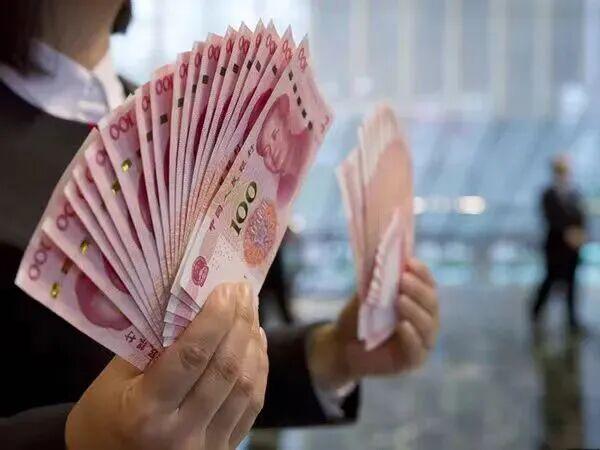
从卖产品到配资产,银行年终奖理财热度升温
Di Yi Cai Jing Zi Xun· 2026-01-28 12:53
Core Viewpoint - The article discusses the challenges faced by individual investors in allocating their year-end bonuses amidst rising stock and gold prices, while banks are actively launching specialized financial products to attract these funds [1] Group 1: Market Trends - Since 2026, gold prices have significantly increased, with the Shanghai Composite Index rising by 4.82% and the Hang Seng Index by 8.17% within the year [6] - The total scale of the national wealth management market reached 33.29 trillion yuan by the end of 2025, growing by over 3 trillion yuan from the beginning of the year [6] Group 2: Bank Initiatives - Major state-owned banks and various commercial banks have launched year-end bonus exclusive financial products, focusing on low-risk, flexible-term options to cater to investors' needs [2][3] - The products include short-term and medium-term options, with some banks offering annualized returns exceeding 4% for short-term investments [2][3] Group 3: Product Features - Banks are emphasizing low initial investment amounts and a variety of strategies, with many products starting at 1 yuan and offering annualized returns around 3% to 4% [3][5] - The marketing strategies have shifted from product-centric to configuration-oriented, integrating various financial tools to better meet customer needs [5] Group 4: Customer Engagement - Some banks are implementing incentive mechanisms to enhance the retention of year-end bonus funds, such as cash rewards for increasing average monthly assets [4] - The focus is on providing a one-stop management solution for year-end bonuses, combining wealth management, insurance, and investment products [5]