
宋河酒

Search documents
100亿河南火锅大佬,狂卖80块平价酒
2 1 Shi Ji Jing Ji Bao Dao· 2025-11-11 01:03
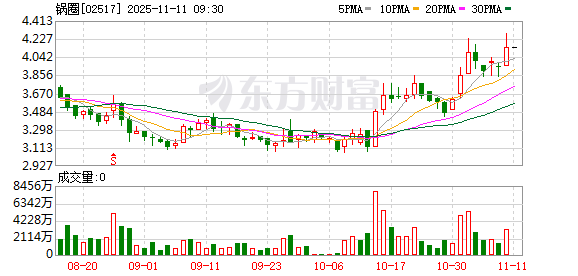
Core Insights - The chairman of Guoquan, Yang Mingchao, is transitioning from the hot pot industry to the liquor sector, focusing on revitalizing the Songhe brand with a new operational logic aimed at consumer engagement and profitability [2][3][4] Group 1: Business Strategy - Yang has invested 180 million yuan over 16 months to restructure the Songhe brand, eliminating 438 product SKUs and launching 24 new products across four core series [2][4] - The price of Songhe's products has increased from 24 yuan to 80 yuan, with gross margins rising from 41% to 65%, and a future target of 70%-75% [4] - The company aims to penetrate the mass market with a target penetration rate increase from 5% to 15%-20% in the under 80 yuan price segment [3] Group 2: Product Development - Songhe has developed a new product matrix and plans to introduce a 9.9 yuan/500ML liquor product, targeting various market segments such as mass banquets and high-end business events [5] - The company is exploring a "wine warehouse + 4" model to create regional brand centers and connect banquets, terminals, and consumers, with nearly 200 smart wine warehouses already opened [5] Group 3: Market Expansion - Yang plans to open a sample store for the wine warehouse model in Zhengzhou, integrating multiple consumption scenarios, with a sales composition of 30% dine-in and 70% takeout [6] - The company aims to create a comprehensive beverage platform, transitioning from liquor to broader beverage offerings, with plans for a "Songhe beverage delivery" store by the end of the year [6] Group 4: Financial Performance - Guoquan's B-end channel revenue reached 560 million yuan in the first half of the year, with a growth rate of 125.1% [14] - As of September 30, Guoquan had 10,761 stores, a year-on-year increase of 98%, with Q3 revenue reaching 2.05 billion yuan, up 25.8% [17][18] Group 5: Future Goals - Yang aims to expand Guoquan's store count to 20,000 over the next five years, with plans for rapid store openings across various market segments [19] - The company has established seven self-owned factories and is expanding its production capabilities, including a 100,000-ton broth factory in Sichuan [20]

宋河酒业即将完成重整 欲打造万店酒饮连锁品牌
Zhong Guo Jing Ying Bao· 2025-10-10 15:44
Core Viewpoint - Songhe Liquor Industry is undergoing significant restructuring, with a planned completion of equity changes by mid-October, indicating a transition in ownership and management under Guoquan Industrial Group [1][2]. Group 1: Restructuring and Ownership Changes - Guoquan Industrial Group, led by Yang Mingchao, has completed the restructuring of Songhe Liquor, with the company expected to finalize its legal representative changes post-National Day [1][2]. - As of the latest updates, Songhe Liquor's major shareholder remains Furen Pharmaceutical Group, holding 52.39% of the shares, with the legal representative still listed as Zhu Wencheng [1][2]. Group 2: Financial and Operational Insights - Songhe Liquor's total debt amounts to 11 billion yuan, divided into secured and unsecured creditor groups, with 9.83 billion yuan from 22 secured creditors and 100.17 billion yuan from 350 unsecured creditors [2]. - Guoquan has invested nearly 200 million yuan in the past year to revamp Songhe's product lines, pricing, branding, and cultural aspects, resulting in the elimination of 438 old product barcodes and the introduction of 24 new products across four core series [2][3]. Group 3: Marketing and Sales Strategy - The company has adopted a comprehensive operational model from production to consumer, planning to establish 300 digital warehouses by 2025 to enhance distribution efficiency [2]. - Songhe Liquor is implementing aggressive marketing strategies, including significant advertising investments and the introduction of a new brand IP, aiming to resonate with consumers through catchy slogans [2][3]. Group 4: Industry Perspectives and Future Directions - Industry experts suggest that Songhe's shift towards a fast-moving consumer goods (FMCG) approach could be effective, particularly in the mid-range and mass market segments, emphasizing the need for a balance between FMCG efficiency and the unique consumption atmosphere of liquor [6][7]. - Recommendations for Songhe include enhancing product quality differentiation, developing interactive cultural experiences, and targeting younger, health-conscious consumers through innovative product offerings [7].