
宝马车型

Search documents
从百强前二十到破产清算:宝利德“崩塌”背后是汽车经销商的生存困局
Mei Ri Jing Ji Xin Wen· 2026-01-30 08:56
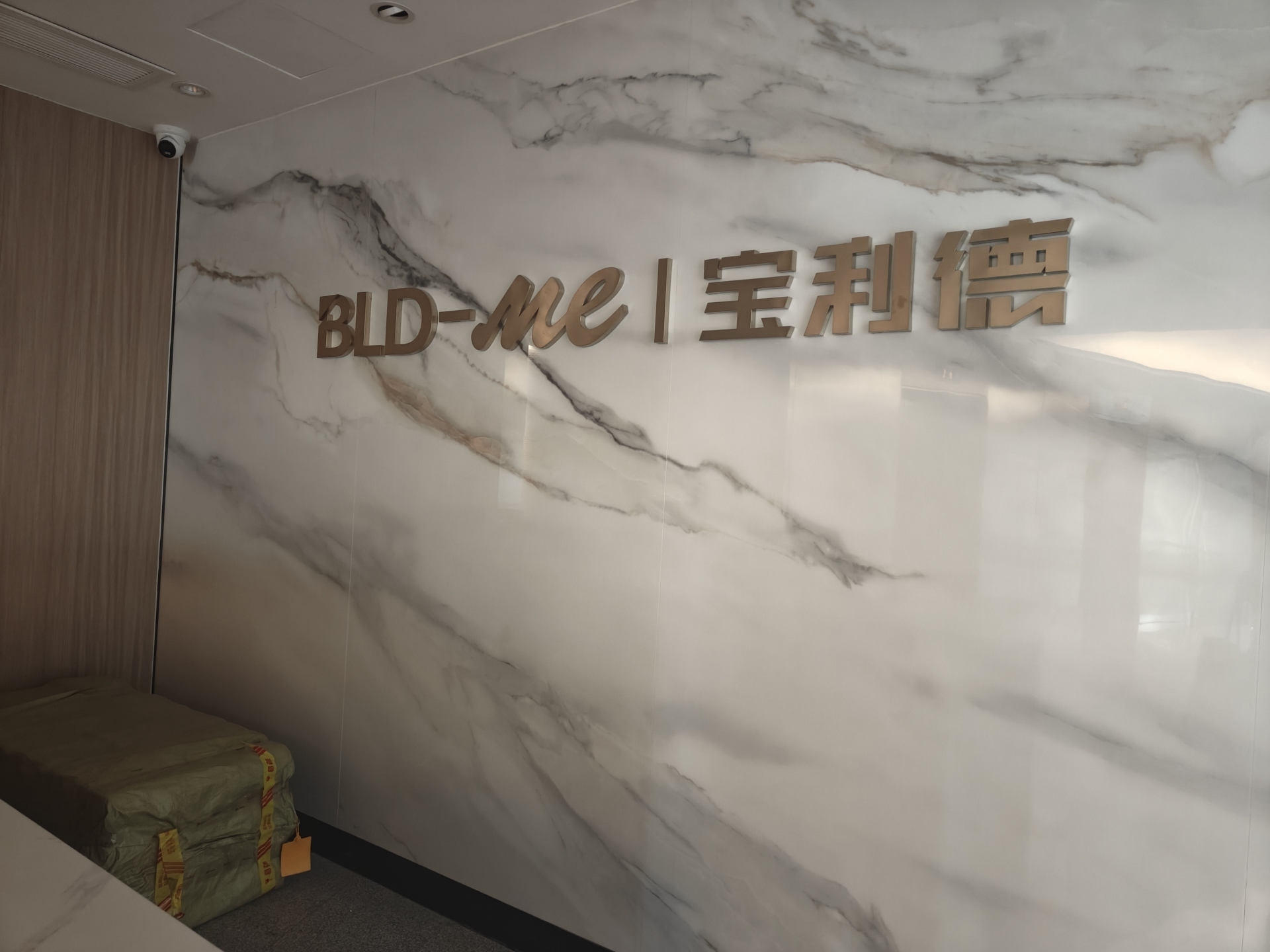
Core Viewpoint - Baolide, once a leading private luxury car dealer in China, has entered bankruptcy liquidation, reflecting the broader struggles of the luxury car dealership industry amid increasing competition and market pressures [5][25]. Group 1: Company Situation - Baolide's headquarters in Hangzhou and its subsidiaries in Yiwu are largely vacant, indicating a significant operational decline [6][15]. - The company was once ranked among the top twenty in China's automotive dealership group and had over 30 luxury car brand 4S stores [21]. - Baolide's financial troubles escalated in 2024, with reports of unpaid salaries and delivery delays, leading to allegations of systematic financial fraud [23]. Group 2: Market Context - The luxury car market in China experienced a growth rate exceeding 10% from 2018 to 2020, but has since faced a downturn, with a reported decline of approximately 28% in the luxury segment [5][25]. - The average price of luxury vehicles has decreased significantly, with some models seeing price reductions of over 30% [25]. - In 2025, the domestic luxury car market's sales volume dropped by 9.6%, further straining dealership operations [26]. Group 3: Industry Trends - The luxury car dealership sector is undergoing significant adjustments, with companies like Porsche and BMW optimizing their dealer networks to enhance profitability [29]. - The industry is expected to recover gradually, with predictions that the most challenging period has passed and that such financial distress among dealers will likely decrease [29].

宝马开年即官降:豪华车溢价神话的终场哨
Zhong Guo Qi Che Bao Wang· 2026-01-07 10:05
Core Viewpoint - BMW's significant price cuts in the Chinese luxury car market signal a shift in the competitive landscape, indicating the collapse of the premium pricing strategy that has long defined luxury brands in China [1][2][3] Group 1: Price Adjustments and Market Dynamics - BMW announced price reductions for 31 models, with 24 models seeing cuts exceeding 10% and 5 models over 20%, with entry-level models dropping to 208,000 yuan [1] - The price cuts are a response to declining sales and inventory pressures, marking a retreat from previous attempts to maintain high pricing strategies [1][2] - Other luxury brands like Mercedes-Benz and Audi are also offering significant discounts, indicating a broader trend among luxury brands to lower prices in response to competitive pressures from Chinese brands [2][3] Group 2: Competitive Landscape and Consumer Preferences - Chinese brands have gained a foothold in the 300,000 to 500,000 yuan price range, offering advanced features that challenge traditional luxury brands [3][4] - The shift in consumer preferences towards technology and experience over brand prestige is reshaping the luxury car market, with younger consumers prioritizing features like intelligent driving and user experience [3][5] - The luxury car market is experiencing a structural shift, with traditional luxury brands losing market share to Chinese competitors who are innovating rapidly in electric and smart vehicle technologies [4][5] Group 3: Industry Transformation Signals - The price cuts by BMW represent a breakdown of the price barrier between luxury and regular brands, fundamentally altering consumer perceptions of luxury pricing [4][6] - The traditional rules of the luxury car market, previously dictated by brands like BMW, are being redefined by Chinese brands that focus on rapid product iteration and customer-centric service models [4][5] - The ongoing transformation in the luxury car market is not merely a price war but a comprehensive restructuring of value systems, emphasizing the need for luxury brands to adapt to changing market dynamics [6][7] Group 4: Strategic Recommendations for Luxury Brands - Luxury brands must embrace electric and smart technologies, moving away from a "technology neutrality" stance to remain competitive in the evolving market [5][6] - A shift from brand-centric to user-centric product development is essential, focusing on local market needs and preferences rather than global models [5][6] - Establishing a new value system that prioritizes transparency in pricing and configuration will be crucial for rebuilding consumer trust and avoiding the pitfalls of price wars [6][7]

宝马中国回应31款车型降价:并非价格战 经销商定终端售价
Xin Lang Cai Jing· 2026-01-03 07:57
Group 1 - The core viewpoint of the article is that BMW China has adjusted the official market guidance prices for 31 models at the beginning of the year, clarifying that this action does not indicate a price war, as terminal prices are still determined by dealers [1] Group 2 - BMW's response indicates that the price adjustment is part of a broader strategy to align market prices rather than a reaction to competitive pressures [1] - The company emphasizes that the final pricing remains at the discretion of the dealers, which suggests a level of flexibility in pricing strategy [1] - This move may reflect BMW's efforts to maintain brand positioning and profitability in a competitive automotive market [1]