汽车经销商

Search documents
港股异动丨汽车经销商股普涨 和谐汽车继续大涨超11% 和谐ICAR米兰比亚迪旗舰店开业
Ge Long Hui· 2026-03-11 02:58
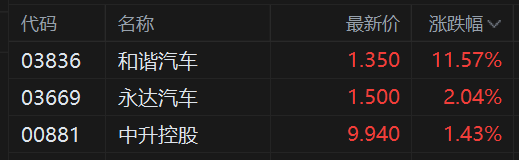
Core Viewpoint - H harmonious Automotive continues to rise, increasing over 11% and leading a recent surge in automotive dealership stocks, with notable gains in Yongda Automotive and Zhongsheng Holdings [1] Group 1: Company Developments - H harmonious Automotive's flagship center for BYD officially opened in Milan on March 5, located in a prominent automotive commercial area [1] - The opening of the Milan center follows the launch of Tengshi in the Philippines and the opening of H harmonious ICAR's Manila store [1] - H harmonious Automotive serves as the overseas dealer for BYD and Tengshi [1] Group 2: Market Insights - Guotai Junan Securities indicated that with the initiation of subsidy details and channels by 2026, suppressed demand due to policy observation will gradually be released, potentially leading to a marginal recovery in sales growth in Q1 2026 [1] - The pre-holiday car purchase demand generated by the Spring Festival is expected to contribute to this recovery [1] Group 3: Stock Performance - H harmonious Automotive's latest price is 1.350 with a rise of 11.57% [1] - Yongda Automotive's latest price is 1.500 with an increase of 2.04% [1] - Zhongsheng Holdings' latest price is 9.940 with a rise of 1.43% [1]


港股三大指数集体收跌,互联网科技股普遍承压,电力光模块板块逆势走强
Jin Rong Jie· 2026-02-26 08:46
Group 1 - The Hong Kong stock market experienced a collective decline, with the Hang Seng Index closing at 26,381.02 points, down 384.7 points or 1.44% [1] - The Hang Seng Technology Index fell to 5,109.33 points, down 151.17 points or 2.87%, while the State-Owned Enterprises Index dropped by 2.44% [1] - Notable sectors showed divergent performance, with power, optical modules, optical communications, and semiconductor sectors gaining strength, while internet technology stocks faced pressure [1] Group 2 - Electric power stocks are supported by industrial logic, with a projected CAGR of approximately 55% for electricity capacity demand driven by AI in the U.S. from 2025 to 2028, leading to significant power demand and opportunities for supporting equipment [2] - The automotive dealership sector weakened due to local policy adjustments in Hong Kong, where the government announced the discontinuation of tax reductions for electric private vehicles after March 31, while exemptions for electric commercial vehicles will continue until March 2028 [2]
港股异动 汽车经销商跌幅居前 大摩认为国内厂商新车业务存下行风险
Jin Rong Jie· 2026-02-26 04:24
Group 1 - The core viewpoint of the article highlights a decline in the stock prices of automotive dealers, with Yongda Automobile (03669) down 3.75% to HKD 1.54 and Harmony Auto (03836) down 3.06% to HKD 0.95 [1] - Morgan Stanley's report indicates a decrease in commission income for automotive dealers in mainland China, although profitability remains on a recovery track [1] - The report has revised down the profit forecasts for Yongda Automobile and Meidong Automobile for 2025 to 2027, reflecting lower-than-expected new car profit margins due to the restructuring of high-interest and high-commission automotive financial products [1] Group 2 - Morgan Stanley anticipates that despite further deterioration in new car business in the second half of 2025, profitability for automotive dealers in China is expected to bottom out in 2025 and rebound in 2026 [1]
汽车经销商跌幅居前 大摩认为国内厂商新车业务存下行风险
Zhi Tong Cai Jing· 2026-02-26 02:56
Group 1 - The core viewpoint of the article indicates that automotive dealers in China are experiencing a decline in commission income, but profitability remains on a recovery track [1] - Morgan Stanley has downgraded the earnings forecasts for Yongda Automobile (03669) and Meidong Automobile for the years 2025 to 2027, reflecting lower-than-expected new car profit margins due to the rectification of "high interest and high commission" automotive financial products [1] - Despite the anticipated further deterioration in new car business in the second half of 2025, Morgan Stanley expects that the profitability of Chinese automotive dealers will bottom out in 2025 and rebound in 2026 [1] Group 2 - As of the report, Yongda Automobile's stock has dropped by 3.75% to HKD 1.54, while Harmony Auto's stock has decreased by 3.06% to HKD 0.95 [1]
港股异动 | 汽车经销商跌幅居前 大摩认为国内厂商新车业务存下行风险
智通财经网· 2026-02-26 02:52
Core Viewpoint - The report from Morgan Stanley indicates a decline in commission income for automotive dealers in mainland China, while profitability remains on a recovery track. The forecast for earnings of Yongda Automobile and Meidong Automobile for 2025 to 2027 has been lowered due to the restructuring of high-interest and high-commission automotive financial products, resulting in new car profit margins falling below expectations [1]. Group 1: Company Performance - Yongda Automobile (03669) has seen a decline of 3.75%, trading at 1.54 HKD [1]. - Meidong Automobile (03836) has experienced a drop of 3.06%, with shares priced at 0.95 HKD [1]. Group 2: Market Outlook - Morgan Stanley anticipates that despite further deterioration in new car business in the second half of 2025, there is a downward risk to earnings for 2025 [1]. - The expectation is that profitability for Chinese automotive dealers will hit a bottom in 2025 and rebound in 2026 [1].
港股收评:恒指涨0.66%,科技股部分回暖,房地产拉升,有色金属股齐涨
Ge Long Hui· 2026-02-25 08:23
Market Performance - The Hong Kong stock market indices experienced a decline in the afternoon, with the Hang Seng Tech Index falling by 0.19%, while the Hang Seng Index and the National Enterprises Index rose by 0.66% and 0.3% respectively, halting the previous day's significant drop [1] Sector Performance - Major technology stocks showed signs of recovery, with Meituan increasing by 1.6%, and Alibaba, Tencent, and JD.com also experiencing slight gains. Tencent hit a recent low during the previous trading session [1] - The real estate sector saw a boost following Shanghai's new housing policy "沪七条," which further relaxed housing purchase restrictions, leading to a rally in domestic property stocks. Notably, Chongqing Steel surged by 27% at one point, ultimately closing up by 8.7% [1] - The non-ferrous metal sector, including copper, aluminum, and gold stocks, was notably active, with Lingbao Gold reaching a historical high. Major players like WISCO Resources, China Aluminum, and China Hongqiao all saw significant increases [1] - The restaurant sector performed well during the Spring Festival, with Haidilao leading the gains among restaurant stocks [1] Weak Performers - Semiconductor storage concept stocks, which had led the market in the previous day, mostly retreated, with Langqi Technology dropping over 7% and Zhaoyi Innovation falling by 4.5% [1] - Other sectors such as paper, automotive dealerships, electric power, water utilities, and automotive stocks showed weak performance [1]
马年,汽车经销商会好起来吗?
3 6 Ke· 2026-02-25 02:53
Core Insights - The automotive dealership sector is facing its worst performance in eight years, with less than 30% of dealerships reporting profitability [1] - Luxury brand sales are projected to decline significantly in 2025, with average gross margins for new cars at -25% [1] - The recent price cuts by BMW and Mercedes have not alleviated the financial pressures on dealerships, leading to increased operational challenges [1] Group 1: Dealership Performance - Dealerships are experiencing severe operational stress, with reports of extended working hours and declining customer traffic [1] - The average loss per vehicle sold is substantial, with a 30,000 RMB car resulting in a loss of 7,500 RMB [1] - Audi's sales are projected to decline by only 5% in 2025, but this comes at the cost of significant losses for dealerships [4] Group 2: Store Closures and Network Shrinking - A wave of store closures is anticipated in 2024, with dealers expressing urgency to shut down unprofitable locations [6] - BMW and Mercedes have already reduced their dealership networks by over 100 locations each in 2025, with further reductions expected [7] - Dealerships are adapting by merging operations and reducing the size of their showrooms to cut costs [8] Group 3: Transition to New Brands - Many traditional dealerships are shifting towards new energy brands, with a notable increase in partnerships with Huawei's brands [12] - The transition to an agency model is seen as a necessary gamble for survival, despite the loss of management autonomy [12][20] - The success of new energy brands like AITO is contingent on sales performance, as profitability heavily relies on new vehicle sales rather than after-sales services [18] Group 4: Market Dynamics and Competition - The competition among luxury brands (BBA) remains intense, with significant pressure on pricing and sales volume [11] - Secondary luxury brands are reportedly faring better due to lower market saturation and completed store consolidation [10] - The ongoing evolution in the automotive market indicates that traditional dealerships must navigate a challenging landscape filled with both risks and opportunities [19][22]
从汽车经销商百强前二十到破产清算 宝利德“崩塌”背后是行业面临经营困局
Mei Ri Jing Ji Xin Wen· 2026-02-03 09:18
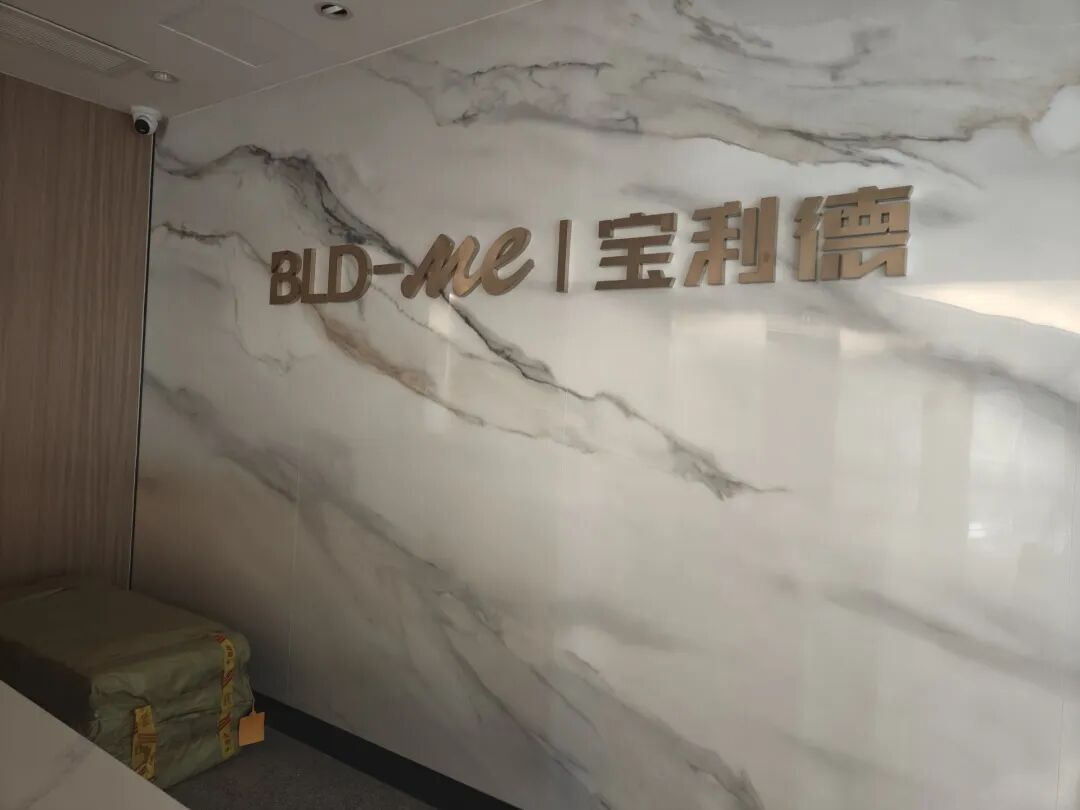
Core Viewpoint - Baolide, once a leading private luxury car dealer in China, has entered bankruptcy liquidation, reflecting the broader challenges faced by the luxury car dealership industry amid increasing competition and market pressures [1][6]. Company Overview - Baolide was founded in 2001 and had over 30 luxury car brand 4S stores, ranking among the top twenty in the "China Automotive Dealer Group Top 100" in 2024 [5]. - The company expanded rapidly during the luxury car market boom from 2018 to 2020, benefiting from a market growth rate exceeding 10% [1][5]. - Baolide's attempts to go public included multiple rounds of financing and changing advisory firms, but all efforts to list on the stock market ultimately failed [5][6]. Current Situation - As of January 29, 2025, Baolide's headquarters in Hangzhou and its subsidiaries in Yiwu were largely deserted, with signs of financial distress evident [2][4]. - The company has been facing severe operational challenges since the third quarter of 2024, including significant salary arrears and delays in new car deliveries [6][9]. - Baolide's bankruptcy was officially filed in September 2025, citing an inability to repay debts and insufficient assets [6]. Industry Context - The luxury car market has seen a decline of approximately 28% over the past three years, with high-end models experiencing price drops of around 23% [8][9]. - Other luxury car dealers, such as Dong'an Holdings, have also faced closures, indicating a widespread crisis in the luxury car dealership sector [7][9]. - The financial strain on luxury car dealers is exacerbated by high initial investments and operational costs, making them more vulnerable during market downturns [7][10]. Future Outlook - Industry experts suggest that the most challenging period for the luxury car market may be over, with signs of recovery expected in 2026 due to various supportive measures [11]. - Major brands like Porsche and BMW are restructuring their dealership networks to enhance profitability and adapt to market changes [10][11].
曾卖劳斯莱斯、保时捷等豪车,汽车销售巨头宝利德如今破产清算
Mei Ri Jing Ji Xin Wen· 2026-02-01 22:45
Core Viewpoint - Baolide, once a leading private luxury car dealer in China, has entered bankruptcy liquidation, reflecting the broader struggles of the luxury car dealership industry amid increasing competition and market pressures [5][20]. Company Overview - Baolide was founded in 2001 and had over 30 luxury car brand 4S stores, ranking in the top twenty of China's automotive dealer groups by 2024 [18]. - The company expanded rapidly during the luxury car market boom from 2018 to 2020, but has faced significant challenges in recent years [5][20]. - Baolide's bankruptcy was officially filed in September 2025, citing an inability to repay debts and insufficient assets [20]. Current Situation - The headquarters in Hangzhou and its subsidiaries in Yiwu are largely vacant, with signs of financial distress evident, including unpaid property fees [12][14]. - The bankruptcy management office is operational, but few creditors have come forward to claim debts [10][12]. Industry Context - The luxury car market in China has seen a decline of approximately 28% over the past three years, with high-end models experiencing a 23% drop [22]. - The financial struggles of Baolide are indicative of a larger trend affecting luxury car dealers, with other companies like Dong'an Holdings also facing closures [21][24]. - The industry is undergoing a significant adjustment, with manufacturers looking to streamline dealership networks and explore new retail models to enhance profitability [24][25]. Future Outlook - Despite current challenges, there are indications that the most difficult period for the luxury car industry may be over, with expectations for gradual recovery in 2026 [25].
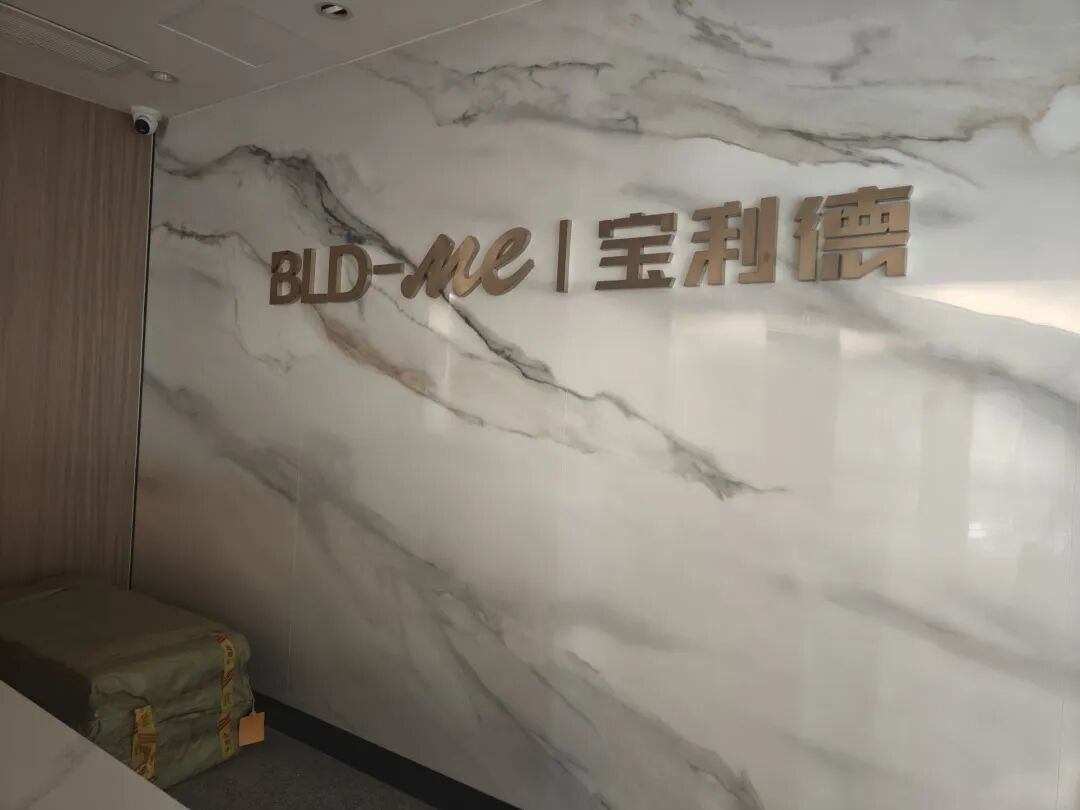
曾卖劳斯莱斯、保时捷等豪车,汽车销售巨头宝利德如今破产清算:杭州总部已人去楼空,义乌子公司贴上了封条
Mei Ri Jing Ji Xin Wen· 2026-02-01 15:49
Core Viewpoint - Baolide, once a leading private luxury car dealer in China, has entered bankruptcy liquidation, reflecting the broader struggles faced by the luxury car dealership industry amid increasing competition and market pressures [4][20]. Company Overview - Baolide was founded in 2001 and had over 30 luxury car brand 4S stores, ranking among the top twenty in the "China Automotive Dealer Group Top 100" in 2024 [17]. - The company expanded rapidly during the luxury car market boom from 2018 to 2020, but has since faced significant challenges leading to its downfall [4][20]. Bankruptcy Details - The headquarters in Hangzhou and subsidiaries in Yiwu are largely vacant, with signs of financial distress, including unpaid property fees [11][5]. - The bankruptcy management office is located on the 15th floor of the headquarters, where creditors can file claims [9][7]. Financial Misconduct Allegations - Reports indicate that Baolide may have engaged in systematic financial fraud, with discrepancies in reported profits and assets [20]. - The company allegedly maintained two sets of financial records since 2012, one for actual operations and another for financing purposes [20]. Market Context - The luxury car market in China has seen a decline of approximately 28% over the past three years, with high-end models experiencing significant price reductions [22][23]. - The overall sales volume in the luxury car segment dropped by 9.6% in 2025, exacerbating the financial pressures on dealerships like Baolide [23]. Industry Trends - Other luxury car dealers, such as Dong'an Holdings, are also facing closures, highlighting a trend of financial instability within the sector [21]. - The industry is responding by optimizing dealership networks and exploring new retail models to enhance profitability [26]. Future Outlook - Despite current challenges, there are indications that the most difficult period for the luxury car industry may be over, with expectations for gradual recovery in 2026 [27].