小天鹅家电

Search documents
男子762元买20多件商品蕉内拒发货,“价格异常”究竟谁说了算?
Xin Lang Cai Jing· 2025-11-23 07:21
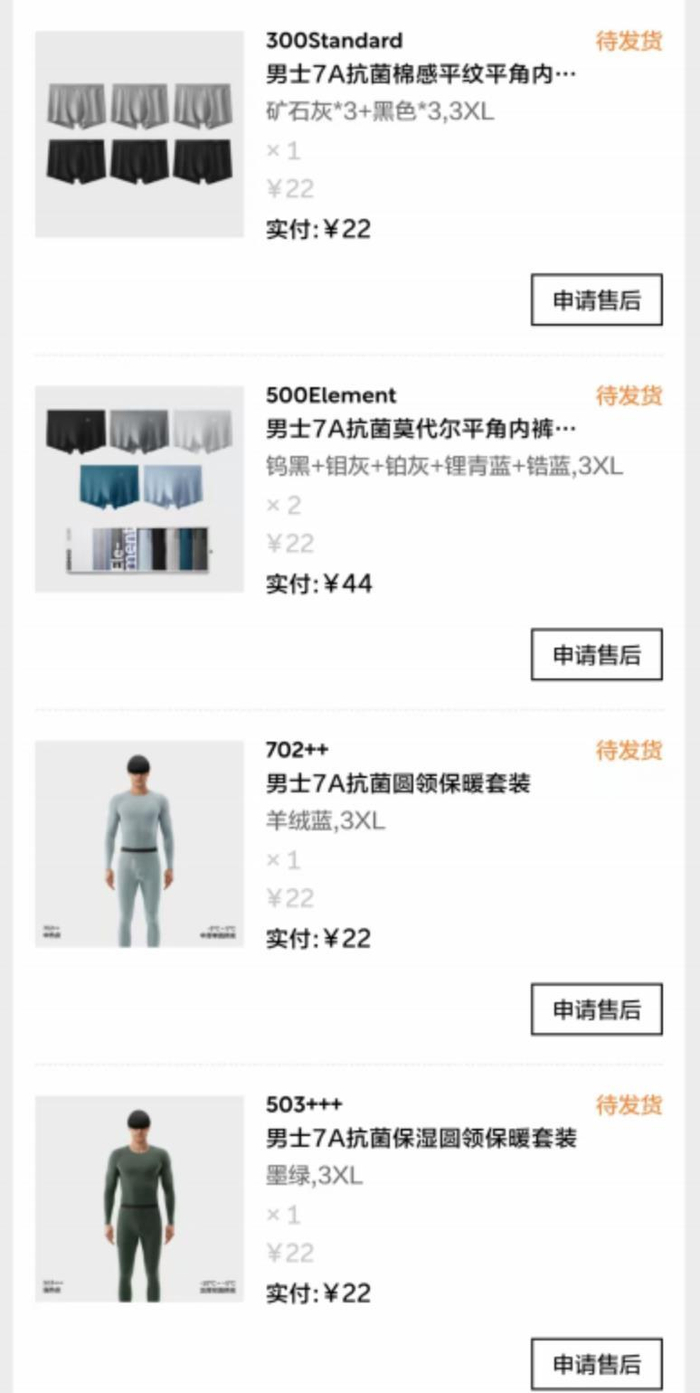
Core Viewpoint - The incident involving the pricing error on the Biaonai platform highlights a recurring issue in e-commerce regarding who bears the loss when a merchant mislabels prices. The unilateral cancellation of orders by Biaonai, along with a minimal compensation offer, raises concerns about contract violations and consumer rights [9][10][12]. Group 1: Incident Overview - Multiple consumers reported significant discounts on Biaonai's official mini-program, with items originally priced in the hundreds being listed as low as 22 yuan. However, after placing orders, consumers were informed that the low prices were due to a system error, and their orders would not be fulfilled [1][7]. - A consumer named Mr. Zhang, who spent 762 yuan on over 20 items, was offered only 30 yuan as compensation after his order was canceled due to the alleged system error. He has since filed a lawsuit seeking a reasonable explanation and delivery of the purchased items [1][9]. Group 2: Legal and Ethical Implications - From a legal perspective, a contract is established once a consumer successfully submits an order and completes payment. Biaonai's cancellation of orders and insufficient compensation may violate contractual agreements and infringe on consumer rights [9][10]. - The merchant's claim of "system error" lacks transparency and credible evidence, suggesting an attempt to shift the consequences of operational mistakes onto consumers [9][10]. Group 3: Industry Practices and Recommendations - The article references similar incidents in the industry, such as the case of Jierou and Little Swan, where brands chose to honor erroneous orders despite incurring significant losses, thereby maintaining consumer trust [10][11]. - It emphasizes that price anomalies should not serve as a blanket excuse for merchants to breach contracts. Clear standards and evidence are necessary to define what constitutes an "abnormally low price" [11][12]. - Merchants are encouraged to strengthen internal controls to prevent pricing errors and to communicate sincerely with consumers when issues arise. Additionally, e-commerce platforms should implement stricter price review mechanisms, and regulatory bodies need to clarify the standards for identifying price anomalies and the responsibilities of merchants [12].

95后营销鬼才黄翼飞:用“情绪风暴”重塑品牌影响力
Sou Hu Cai Jing· 2025-06-05 02:11
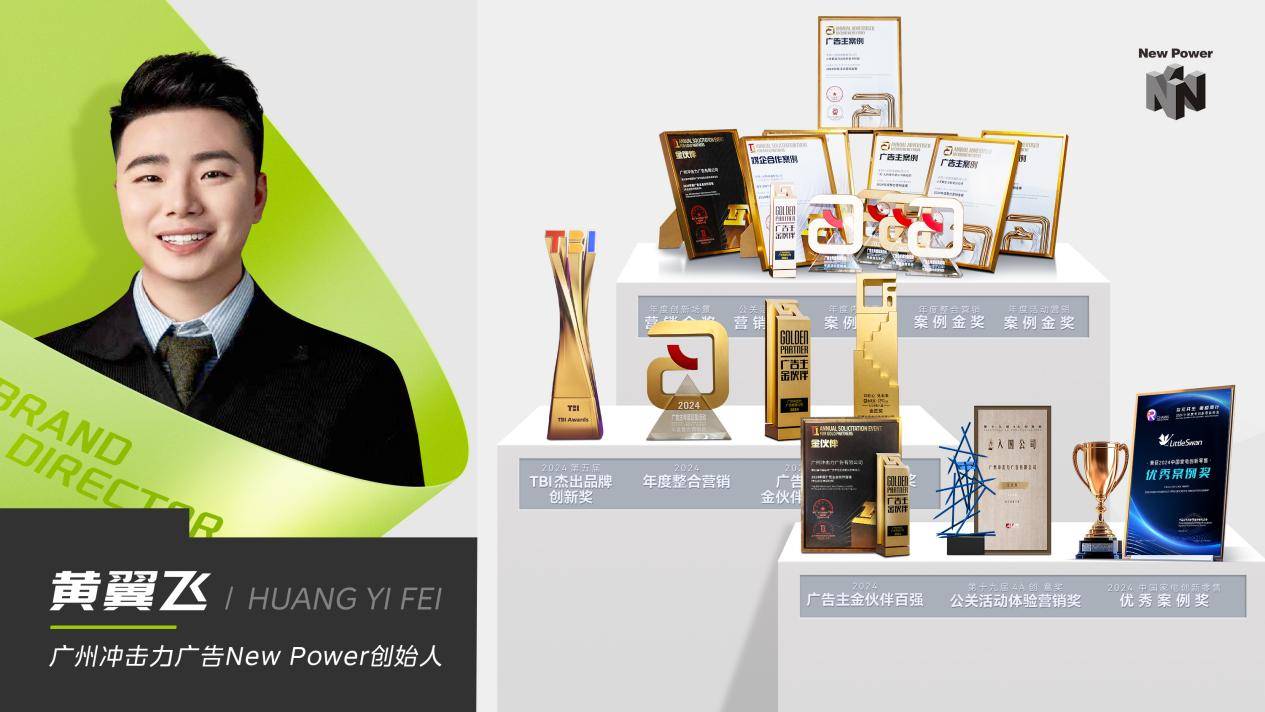
Core Insights - The article highlights the innovative marketing strategies of Guangzhou Impact Advertising Co., led by founder Huang Yifei, who emphasizes the importance of emotional engagement in marketing [1][11] - Huang Yifei, born in 1995, identifies the gap between traditional advertising and the younger generation, leading to the establishment of his company in 2021 [1][11] Group 1: Marketing Philosophy - Huang Yifei believes that the key advantage of Gen Z entrepreneurs is their ability to "naturally break boundaries" in marketing [1] - The company's name, "Impact," reflects its marketing philosophy of creating strong emotional "impacts" rather than subtle influences [1] - In an era of information overload, the company aims to create high-intensity marketing stimuli to capture attention [1] Group 2: Expanding Marketing Scenarios - Huang defines marketing scenarios as every moment where user attention is captured, not limited to physical advertising spaces [3] - Successful campaigns include a collaborative project in Chengdu that revitalized an old courtyard, integrating local culture and community engagement [3] Group 3: Cross-Industry Collaborations - The collaboration between KFC and Little Swan showcases a creative marketing approach that addresses the needs of young families [5] - The partnership effectively combines the strengths of both brands to resonate with the "lazy economy" and "quality living" trends [5] Group 4: Emotional Marketing Techniques - Huang emphasizes that successful marketing is fundamentally about winning over emotions [9] - The company has developed a three-layer operational system to amplify user emotions, as demonstrated in a public welfare project for children in rural areas [9] Group 5: Future of Marketing with AI - Huang expresses a forward-thinking perspective on the role of AI in marketing, viewing it as a reconstruction of marketing logic rather than just a tool upgrade [10] - The company is developing an "emotional computing engine" to analyze social media data for identifying emotional triggers [10] Group 6: Redefining Influence - Huang is redefining how influence is generated in marketing, focusing on deep emotional resonance rather than broad coverage [11] - The company is exploring the integration of AR interactions into everyday life, demonstrating adaptability in a rapidly changing marketing landscape [11]