小米电子产品

Search documents
49家港股公司回购 斥资8.79亿港元
Zheng Quan Shi Bao Wang· 2025-12-03 01:51
Summary of Key Points Core Viewpoint - On December 2, 49 Hong Kong-listed companies conducted share buybacks, totaling 24.43 million shares and an aggregate amount of HKD 879 million [1][2]. Group 1: Share Buyback Details - Tencent Holdings repurchased 1.028 million shares for HKD 636 million, with a highest price of HKD 625.50 and a lowest price of HKD 615.50, bringing its total buyback amount for the year to HKD 67.96 billion [1][2]. - Xiaomi Group-W repurchased 2.5 million shares for HKD 10.15 million, with a highest price of HKD 40.72 and a lowest price of HKD 40.50, totaling HKD 3.54 billion for the year [1][2]. - China COSCO Shipping repurchased 3 million shares for HKD 41.05 million, with a highest price of HKD 13.81 and a lowest price of HKD 13.62, totaling HKD 5.99 billion for the year [1][2]. Group 2: Buyback Rankings - The highest buyback amount on December 2 was from Tencent Holdings at HKD 636 million, followed by Xiaomi Group-W at HKD 10.15 million [1][2]. - In terms of share quantity, China Feihe led with 4 million shares repurchased, followed by China COSCO Shipping and Xiaomi Group-W with 3 million and 2.5 million shares, respectively [1][2].


怎么就没人拦一下始祖鸟?脱离公众做营销的反噬
3 6 Ke· 2025-09-26 08:09
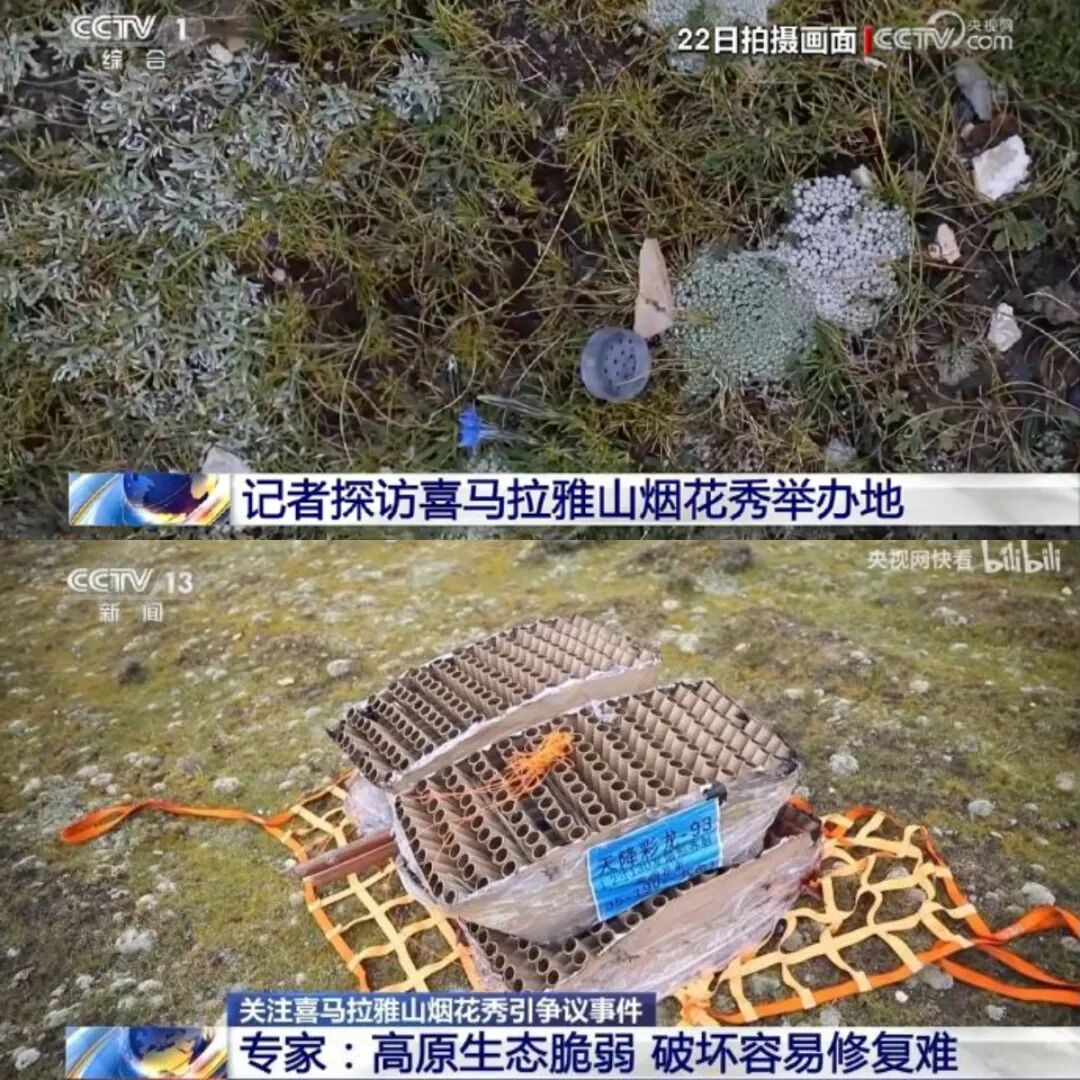
Core Viewpoint - The article discusses the public relations crisis faced by the brand Arc'teryx after a controversial fireworks event in the Himalayas, questioning how such an event passed through approval processes and highlighting the disconnect between corporate decision-making and public perception [1][3][27]. Group 1: Event Overview - Arc'teryx organized a large-scale fireworks event in the Himalayas, which has drawn significant public backlash and raised questions about the environmental impact [1][3]. - The event was executed by renowned artist Cai Guoqiang, indicating a high level of investment and ambition behind the marketing strategy [3][4]. Group 2: Approval Process - The event required multiple layers of approval, suggesting that many individuals within the company were involved in the decision-making process [4][5]. - There are two possibilities regarding the approval: either no one recognized the potential issues, or a key decision-maker overruled any objections [6]. Group 3: Information Echo Chamber - The article highlights the concept of an "information echo chamber," where companies may only engage with a limited audience, leading to a skewed understanding of public sentiment [8][9]. - This phenomenon is exacerbated by social media algorithms that create a more pronounced echo chamber effect, making it difficult for brands to gauge genuine public opinion [9][10]. Group 4: Marketing Strategies - The article categorizes marketing strategies into three types: private domain, semi-public, and fully public, emphasizing the risks of relying solely on closed-loop communication [15][16]. - Arc'teryx, as a high-end outdoor brand, may have mistakenly believed that targeting a specific audience was sufficient, neglecting broader public perception [17][18]. Group 5: Public Response and Brand Image - The backlash against Arc'teryx mirrors previous public relations failures, such as the case of Baiguoyuan, where a disconnect between brand messaging and consumer expectations led to negative reactions [10][12]. - The article suggests that brands must engage with a wider audience to avoid misjudging public sentiment and to improve their marketing strategies [24][25]. Group 6: Recommendations for Improvement - To break free from the information echo chamber, companies should actively seek out diverse feedback from non-fans and critics, which can inform better marketing decisions [24][25]. - Regularly monitoring social media platforms, particularly Weibo, can provide valuable insights into public opinion and help brands adjust their strategies accordingly [25][26].