常卫清

Search documents
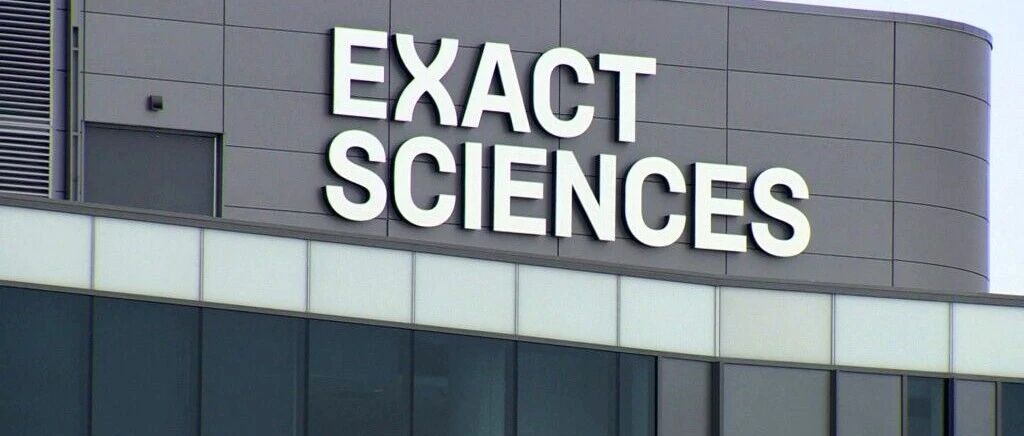
1440亿融资!医械巨头推进重磅收购
思宇MedTech· 2026-03-10 02:48
Core Viewpoint - Abbott's acquisition of Exact Sciences for approximately $21 billion signifies a strategic move to enhance its capabilities in cancer early screening and molecular diagnostics, which are emerging as key growth areas in the diagnostics industry [2][5][11]. Group 1: Acquisition Details - Abbott completed a $20 billion senior bond issuance to fund the acquisition of Exact Sciences, marking a significant step in a high-profile merger in the global in vitro diagnostics (IVD) sector [2]. - The bond issuance consists of eight series with maturities ranging from 2029 to 2066, with interest rates between 3.7% and 5.6% [2]. - The funds will be used for acquisition costs and may also help in repaying some of Exact Sciences' debts [2]. Group 2: Abbott's Position in the IVD Market - Abbott has been a major player in the global IVD market, with annual revenues from its diagnostics business around $9 billion, consistently ranking in the top tier [4]. - However, Abbott's presence in the rapidly growing fields of cancer early screening and molecular diagnostics has been relatively limited [4]. Group 3: Exact Sciences' Offerings - Exact Sciences focuses on cancer screening and molecular diagnostics, with key products including Cologuard, a non-invasive stool DNA test for colorectal cancer, and Oncotype DX, a gene expression test for breast cancer [5][7]. - The company has developed a comprehensive product line that spans cancer early screening, decision support, and recurrence monitoring, filling a gap in Abbott's capabilities [5]. Group 4: Industry Trends - The diagnostics industry has seen two significant trends over the past decade: a slowdown in traditional IVD growth and a rapid rise in molecular testing for cancer [8][9]. - As technology costs decrease and precision medicine advances, cancer-related testing is becoming one of the most promising segments in diagnostics [9]. Group 5: Implications for Chinese Enterprises - The acquisition signals a consolidation phase in cancer early screening, with large diagnostic companies beginning to acquire innovative firms to enhance their capabilities [15]. - Chinese companies in the cancer early screening and molecular diagnostics space, such as NuoHui Health, are likely to face increased competition as global giants enter the market [17][20]. - The commercial viability of early screening products is becoming a critical barrier, emphasizing the need for strong market education and healthcare networks [18][21]. Group 6: Future Industry Dynamics - The global IVD sector has undergone several technological iterations, with molecular diagnostics emerging as the new competitive frontier [22]. - Abbott's acquisition of Exact Sciences represents a shift from traditional laboratory testing to a focus on tumor molecular diagnostics, indicating a potential evolution in industry competition [22][25]. - The future of Chinese cancer early screening companies remains uncertain, as they may either evolve into global platforms or become part of larger consolidations by international giants [26].


泡沫挤出、监管趋严与估值回归,23家退市背后的医疗资本大考|2025中国经济年报
Hua Xia Shi Bao· 2025-12-24 04:36
Core Viewpoint - The Chinese capital market is undergoing a significant "cleansing" process in 2025, with numerous healthcare companies delisting from various exchanges, reflecting a shift towards stricter regulatory enforcement and a return to rational valuation in the industry [2][4][10] Group 1: Delisting Trends - As of December 2025, multiple healthcare companies have exited the market, with 23 A-share companies delisting this year, marking the second-highest number in six years [3][4] - The delisting cases this year are characterized by cross-market and cross-sector trends, with notable companies like Jiangsu Wuzhong, Nohow Health, Kexing Bio, and Kangji Medical facing various delisting reasons including financial fraud and operational difficulties [4][5] - The surge in delisting is attributed to a combination of factors, including the bursting of valuation bubbles and stricter regulations on financial misconduct [3][4] Group 2: Company-Specific Cases - Jiangsu Wuzhong faced forced delisting due to significant financial fraud, with inflated revenues reported from 2020 to 2023, amounting to a total of 494.26 million yuan [5] - Nohow Health, once valued at over 40 billion HKD, was delisted after being accused of fabricating 90% of its sales revenue, with actual sales in 2022 estimated at only 7.695 million yuan [6][7] - Kexing Bio's delisting crisis stemmed from internal conflicts and governance issues, leading to a Nasdaq delisting notice due to failure to submit financial reports on time [7][8] - Kangji Medical opted for voluntary privatization, completing its delisting in December 2025, with a cash offer that represented a 21.7% premium over its last trading price [8] Group 3: Regulatory and Market Implications - The delisting wave signifies a fundamental shift in regulatory attitudes, emphasizing a "zero tolerance" approach towards financial misconduct, which is expected to enhance compliance awareness among listed companies [9][10] - The exit of problematic companies is anticipated to create opportunities for high-quality firms, promoting a more professional and regulated healthcare industry [9][10] - The ongoing delisting trend encourages companies to reassess the value of being publicly listed, with privatization becoming a strategic choice for those facing valuation challenges [9][10]

2025年中国多癌早筛行业洞察:AI赋能早筛革命,和瑞基因、泛生子抢占技术制高点
Tou Bao Yan Jiu Yuan· 2025-12-15 13:07
Investment Rating - The report does not explicitly provide an investment rating for the multi-cancer early screening industry in China. Core Insights - The multi-cancer early screening industry in China is experiencing significant growth driven by advancements in technology, particularly AI and genetic testing methods. The market is expected to expand due to increasing healthcare demands from an aging population and rising chronic disease prevalence [5][11][13]. Summary by Sections Industry Overview - The report focuses on the multi-cancer early screening industry in China, analyzing market hotspots, segment conditions, and competitive landscape to understand the current development status and market size [3][5]. Demand Environment - China's healthcare system is evolving to address the needs of an aging population, with a notable increase in chronic disease management capabilities. The demand for in vitro diagnostics is rising, supported by enhanced medical resource availability and government-led healthcare initiatives [5][6][9]. Market Size - The market size of China's in vitro diagnostics industry grew from 118.5 billion CNY in 2019 to 241.7 billion CNY in 2023, with a compound annual growth rate (CAGR) of 19.5%. It is projected to reach 444.2 billion CNY by 2028, with a CAGR of 13.0% from 2023 to 2028 [11][13]. Cancer Screening Demand - The multi-cancer early screening industry has substantial demand potential due to the distribution characteristics of cancer types and a large high-risk population. The report highlights the urgent need for low-dose spiral CT screening for lung cancer, which has a significantly higher incidence rate in China compared to global averages [18][21]. Product Approval Landscape - The early screening product landscape is primarily focused on single cancer types, with colorectal cancer being the most prominent. The market faces challenges such as product homogeneity and competition among over 200 manufacturers in the initial screening space [21][29]. Significance of Digestive Tract Screening - Early screening for digestive tract cancers is crucial due to the "window period" from precancerous lesions to late-stage cancer, where early detection can lead to nearly 100% five-year survival rates. The report emphasizes the cost-effectiveness of early diagnosis compared to late-stage treatment [24][25]. Competitive Landscape - The competitive environment in the digestive tract cancer screening market is intense, with significant differences in product performance and technology among manufacturers. The report notes that many companies focus on colorectal cancer screening, leading to a saturated market with limited differentiation [27][29].
研判2025!中国结直肠癌早筛行业发展背景、市场规模、技术现状及未来趋势分析:行业规模高速扩张,已有多款结直肠癌早筛基因甲基化产品获批上市[图]
Chan Ye Xin Xi Wang· 2025-12-15 01:28
Core Insights - Colorectal cancer is a common malignant tumor in China, posing a significant threat to public health, with 517,100 new cases and 240,000 deaths reported in 2022, accounting for 10.7% and 9.3% of all cancer cases respectively [1][6][12] - The incidence and mortality rates of colorectal cancer are on the rise, with current rates at 36.63 per 100,000 and 17.00 per 100,000 respectively, despite improvements in the five-year survival rate for patients [1][6] - Early detection and treatment can significantly improve the five-year survival rate, which can reach 80%-90% for early-stage cancers [2][6] Colorectal Cancer Screening Methods - Recommended screening methods include colonoscopy, fecal occult blood testing, sigmoidoscopy, CT colonography, and multi-target stool DNA testing, with colonoscopy being the first-line method [4][8] - For individuals who cannot tolerate or comply with the first-line methods, alternative methods such as immunochemical or chemical fecal occult blood tests, sigmoidoscopy, CT colonography, and multi-target stool DNA testing are available [4][8] Market Overview - The colorectal cancer early screening market in China is expanding rapidly, projected to reach 1.2 billion yuan in 2024, representing a 33.3% year-on-year growth, and further increasing to 1.5 billion yuan in 2025 [1][12] - The market is characterized by a growing awareness of cancer prevention and treatment, leading to an acceleration in early screening practices and an optimization of supply-demand structures [1][12] Genetic Methylation Technology - Genetic methylation technology is increasingly recognized for its diagnostic value in colorectal cancer, with several products already approved in China [13][14] - The Septin9 and SDC2 genes are commonly used in early screening, with Septin9 showing a sensitivity of 76.63% and specificity of 95.93% for detecting colorectal cancer [14] Industry Development Trends - The colorectal cancer early screening industry is still in its early stages in China, with low penetration rates among target populations, but is expected to grow due to government support and increased public awareness [15][16] - Price competitiveness will be crucial for early screening products, with companies that can offer high value at reasonable prices likely to capture larger market shares [15][16] - The integration of multi-omics technologies and artificial intelligence is anticipated to enhance early screening solutions, leveraging complex data for improved decision-making [15][16]


“暴雷”后的诺辉健康保住癌症早筛第一证
Xin Lang Cai Jing· 2025-12-03 09:17
Core Viewpoint - Nohow Health has retained its core asset despite its delisting from the Hong Kong stock market, as it successfully renewed the medical device approval for its cancer screening product, Changweiqing, which is the first of its kind approved in China [1][2]. Group 1: Product Approval and Market Position - The "KRAS gene mutation and BMP3/NDRG4 gene methylation and fecal occult blood combined testing kit" (Changweiqing) received medical device approval, allowing Nohow Health to continue selling this product until November 2025 [2]. - Changweiqing utilizes fluorescence PCR technology and colloidal gold technology to detect mutated nucleic acid substances and hemoglobin in fecal samples, targeting high-risk populations aged 40 to 74 for colorectal cancer screening [2]. Group 2: Sales Performance - From 2020 to 2022, the revenue from Changweiqing increased from 70.6 million to 356 million yuan, with a gross margin rising from 66.9% to 83.4% [3]. - The sales volume of Changweiqing grew from 162,100 units in 2020 to 361,400 units in 2022 [3]. Group 3: Financial Scrutiny and Challenges - In August 2023, CapitalWatch released a short-selling report alleging serious financial fraud by Nohow Health, claiming inflated sales figures and excessive inventory [4]. - The report indicated that in 2022, Changweiqing was sold in approximately 26 public medical institutions, with an estimated annual sales revenue of about 3 million yuan, significantly lower than reported figures [4][7]. - CapitalWatch's investigation revealed that the product's actual sales performance in both public and private medical institutions was far below the disclosed financial data [4][7]. Group 4: Investor Concerns and Legal Actions - Following the delisting, investors are focused on how to recover losses, with over 3,216 investors registering claims totaling more than 700 million HKD [9]. - The company is currently seeking suitable liquidators to initiate liquidation proceedings in Hong Kong, despite being registered in the Cayman Islands [10].

早筛的冰与火:雅培210亿美元吞下Exact Sciences,中国同行何以半壁凋零
Hua Xia Shi Bao· 2025-11-28 10:19
Core Viewpoint - Abbott's acquisition of Exact Sciences for $21 billion marks a significant move into the growing multi-cancer early detection market, aiming to enhance its diagnostic business and capitalize on the success of Exact Sciences' flagship product, Cologuard [2][4]. Group 1: Acquisition Details - Abbott announced a cash acquisition of Exact Sciences for $21 billion, with a per-share price of $105, representing a nearly 22% premium over the previous closing price [2]. - This acquisition is Abbott's largest since the $25 billion purchase of St. Jude Medical in 2017, with an estimated enterprise value of $23 billion for Exact Sciences [2]. - The deal is expected to be financed through existing cash and debt, with anticipated annual synergies of approximately $100 million post-transaction completion in Q2 2026 [2]. Group 2: Market Context and Performance - Exact Sciences reported impressive financial results, with Q3 2025 revenue of $851 million, a 20% year-over-year increase, and screening business revenue of $666 million [4]. - The global cancer screening market is projected to grow from $172.3 billion in 2022 to $293.6 billion by 2030, with a compound annual growth rate of about 7% [5]. - Abbott's diagnostic business growth was only 0.4% in Q3 2025, significantly lower than the 17% growth in its medical device segment, highlighting the strategic importance of this acquisition [4]. Group 3: Strategic Implications - The acquisition is seen as a strategic necessity for Abbott's diagnostic business, providing a complete product ecosystem that covers the entire cancer care cycle from screening to monitoring [4][5]. - Exact Sciences' products, including Cologuard and Cancerguard, will benefit from Abbott's extensive global network, facilitating international market expansion, particularly in regions with low penetration [5]. - The acquisition is expected to reshape the competitive landscape of the global cancer early detection industry, potentially increasing Abbott's diagnostic revenue to over $11 billion annually [5]. Group 4: Industry Challenges in China - The Chinese early screening market faces significant challenges, particularly the lack of a supportive payment system, which hampers the adoption of cancer screening technologies [6][8]. - Unlike the U.S., where Cologuard is largely covered by insurance, Chinese policies currently do not support non-treatment cancer screening under national insurance, limiting market growth [6]. - The industry is undergoing a consolidation phase, with companies like NuoHui Health facing severe financial difficulties, highlighting the need for robust product offerings and sustainable business models [7][8].

明星IPO的背后:重大财务造假退市!
Xin Lang Cai Jing· 2025-11-12 09:36
Company Background and Highlights - Nohow Health, founded in 2015, positions itself as a leader in cancer early screening in China, with its core product, Changweiqing, receiving approval in November 2020 as the first colorectal cancer early screening medical device in China [1] - The company went public on the Hong Kong Stock Exchange in February 2021, raising over HKD 2 billion with an initial share price of HKD 26.66, peaking at HKD 89.65 and achieving a market capitalization exceeding HKD 40 billion [1] Core Team and Decision-Making - The CEO and Chairman, Zhu Yeqing, is identified as the orchestrator of fraudulent activities, promoting a "performance-first" strategy that pressured sales teams to meet KPIs at any cost [3] - The organizational culture is highly closed, with sales meetings deemed "top secret" and non-sales staff prohibited from participation [4][5] - There is a prevailing belief in prioritizing loyalty over capability, leading to a culture where questioning the company's practices could result in marginalization or dismissal [6][7] Business Model and Market Performance - The product's logic is flawed, requiring users to collect and send stool samples, resulting in low compliance rates [8] - The high cost of testing, at CNY 1,996, exceeds the willingness to pay for the average consumer, and the lack of insurance coverage has hindered hospital adoption [9][10] - Actual market performance is poor, with total sales for three products in 2022 falling below CNY 20 million, despite claims of significant single-day sales during promotional events lacking third-party verification [11][12] Financial Fraud - The scale of financial fraud is significant, with reported revenues vastly overstated; for instance, in 2021, reported revenue was CNY 211 million, while estimated real revenue was around CNY 30 million, indicating an inflation rate of approximately 85% [14][15] - The fraudulent process involves a four-step closed loop, including shipping products without actual sales, fabricating sample collection, recognizing revenue based on false reports, and recycling funds through various means [15][19][21] Ethical and Regulatory Issues - Claims of having the "world's largest fecal sample library" are misleading, as many samples were collected without consent or proper identification, leading to data contamination [24][26] - The company’s practices have turned medical testing into a tool for financial deception, undermining public trust in cancer screening [27][29] - Regulatory oversight has been inadequate, with the Hong Kong Stock Exchange lacking stringent review processes for biotech companies, and auditors failing to verify the authenticity of samples and user identities [30][32] Timeline of Collapse - Key events leading to the company's downfall include a short-seller report in August 2023 alleging significant revenue fraud, Deloitte's questioning of sales authenticity in March 2024, and subsequent leadership changes culminating in the company's delisting in October 2025 [36][37][40] Investor Challenges - Over 4,000 individual investors have registered for compensation, facing significant losses, with collective litigation being difficult due to the lack of a group lawsuit mechanism in Hong Kong [38][39] - The company's cash has been used to repay priority creditors, complicating asset recovery for ordinary shareholders [39][40] Industry Implications - The collapse of Nohow Health serves as a warning for the Chinese medical technology industry, emphasizing that technological innovation must align with genuine market needs and ethical standards [41][42] - The case highlights the risks of prioritizing rapid growth without validating product-market fit, as well as the necessity for robust regulatory frameworks to prevent exploitation of revenue recognition practices [44]
实探诺辉健康:杭州总部多处办公地人去楼空
Mei Ri Jing Ji Xin Wen· 2025-11-10 00:56
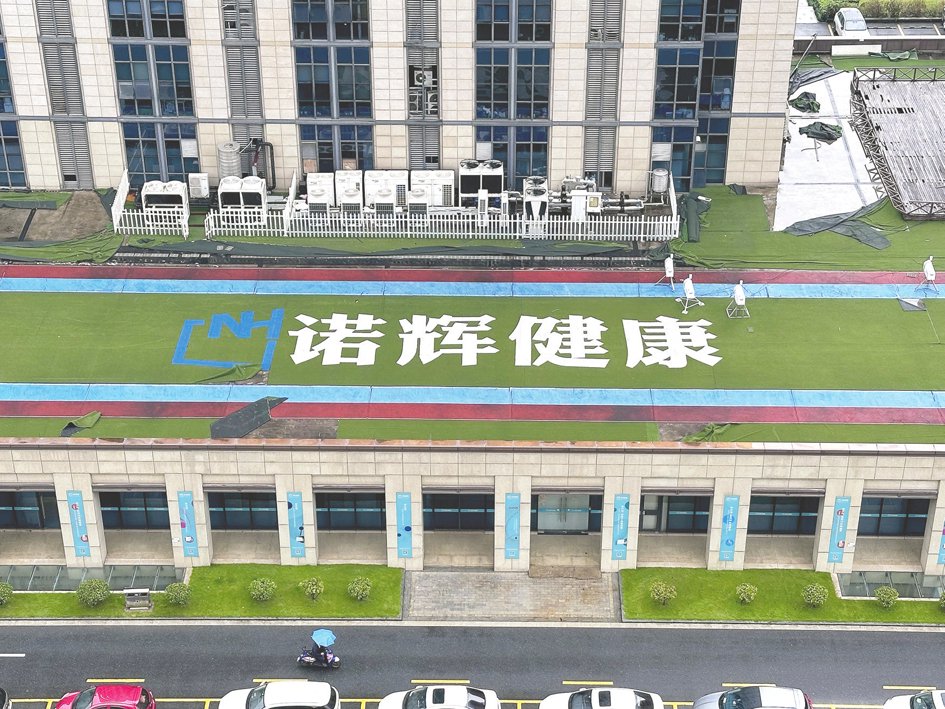
Core Viewpoint - The rapid decline of Nohui Health, once a leading company in cancer early screening, is attributed to allegations of financial fraud, leading to its forced delisting from the Hong Kong Stock Exchange within just over two years [1][10][14]. Financial Allegations - In August 2023, Capital Watch released a report accusing Nohui Health of inflating its revenue by nearly 90%, claiming that the actual sales for 2022 were only 76.95 million yuan, compared to the reported 765 million yuan [10][14]. - Deloitte refused to sign off on the company's annual report in March 2024 due to the inability to verify financial data, resulting in a trading suspension [1][10]. Company Operations and Facilities - Nohui Health's headquarters in Hangzhou has seen significant operational decline, with most of its offices locked and only the first floor in use, indicating a halt in activities [4][5]. - The manufacturing facilities, also located in Hangzhou, are reported to be quiet, with production lines inactive and no shipping activities observed [7][10]. Management Changes - The company's founder and CEO, Zhu Yeqing, resigned in December 2024 due to health reasons, and was subsequently removed from the board [10][12]. - The current management team is significantly reduced, with only two members listed on the official website [10]. Legal and Investor Challenges - Nohui Health is facing a hearing for a winding-up order in November 2025, which could lead to significant losses for individual investors [13][14]. - Over 4,000 investors have formed a collective to seek legal recourse, with claims of losses exceeding 700 million HKD [13][15]. Product and Market Position - The company's main product, Changweiqing, is facing challenges as its medical device registration certificate expired in November 2023, raising concerns about its market viability [12][14]. - Sales during the "Double 11" shopping festival in 2023 were reported to exceed 80 million yuan, but the promotional strategies and pricing have become chaotic, leading to potential concerns about inventory management [11][12].
实探诺辉健康:杭州总部多处办公地人去楼空 北京实验室拖欠租金遭催缴 前员工称被曝的只是冰山一角
Mei Ri Jing Ji Xin Wen· 2025-11-08 15:53
Core Viewpoint - The rapid decline of Nohui Health, once a leading company in cancer early screening, is attributed to allegations of financial fraud, leading to its forced delisting from the Hong Kong Stock Exchange within a span of just over two years [1][21][24]. Company Overview - Nohui Health was accused by CapitalWatch in August 2023 of inflating its revenue by nearly 90%, which led to a halt in trading after Deloitte refused to sign off on the company's annual report due to unverifiable financial data [1][21]. - The company was officially delisted on October 27, 2025, after failing to meet the Hong Kong Stock Exchange's resumption guidelines [1][24]. Operational Status - The headquarters in Hangzhou is largely abandoned, with multiple locked doors and a significant decrease in sample reception volume, indicating a decline in operational activity [3][4][6]. - The main operational site, located in the Hehui Technology Park, has seen its office space largely vacated, with only a small portion still in use [4][6][12]. Financial Performance - Nohui Health's financial troubles were highlighted by a significant discrepancy between reported sales and actual performance, with a claimed revenue of 765 million yuan in 2022 versus an estimated actual sales figure of only 76.95 million yuan [21]. - The company's promotional activities have diminished, with drastic price variations observed across different e-commerce platforms, raising concerns about potential inventory liquidation [20][22]. Legal and Regulatory Challenges - The company is facing a complex legal landscape as it seeks to navigate potential liquidation proceedings, with over 4,000 individual investors forming a coalition to pursue claims against the company [23][24][26]. - Legal experts indicate that the challenges for investors include establishing a clear evidence chain of financial misconduct and navigating the complexities of cross-border legal frameworks due to the company's registration in the Cayman Islands and listing in Hong Kong [26][27].
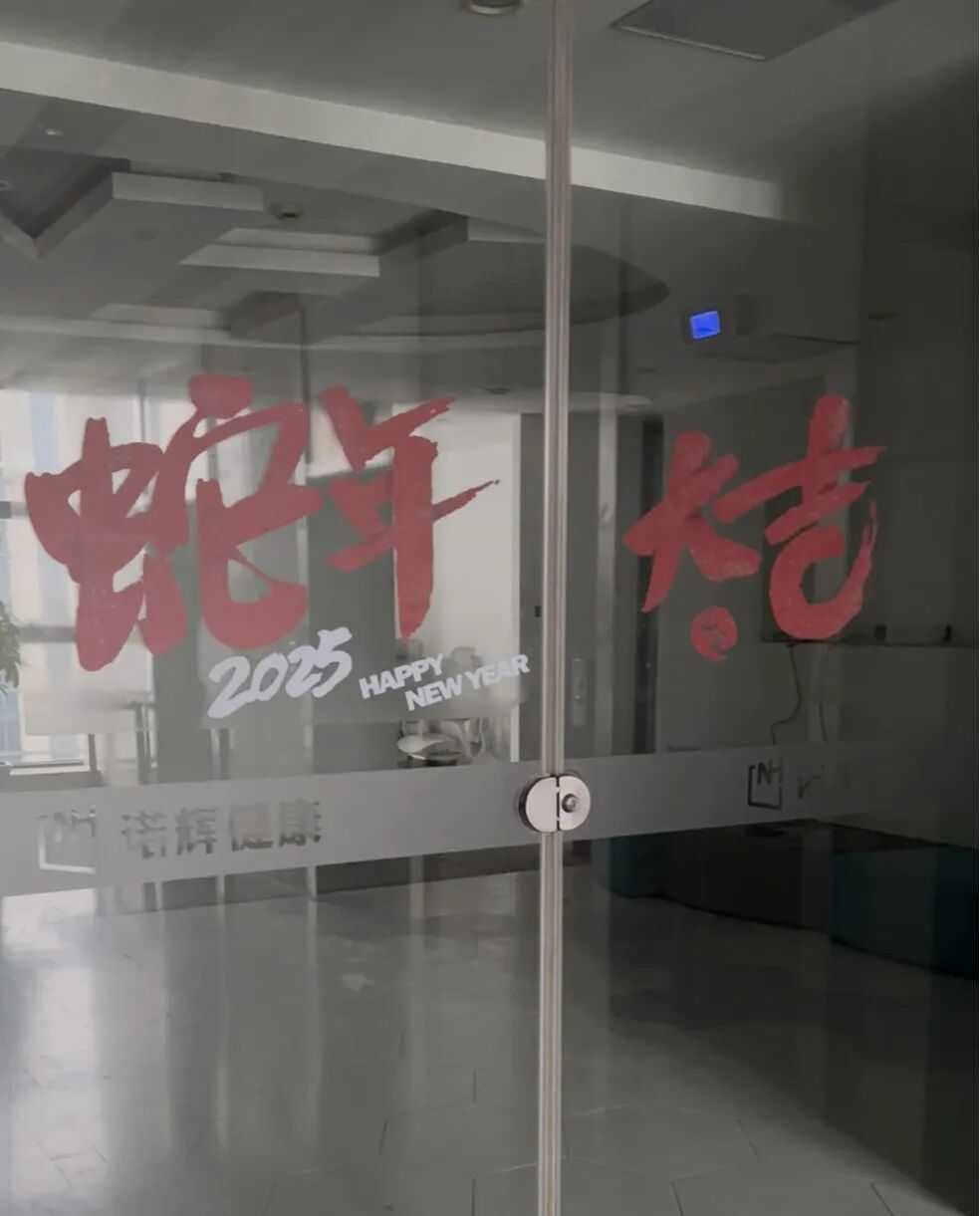
实探诺辉健康:杭州总部多处办公地人去楼空,北京实验室拖欠租金遭催缴,前员工称被曝的只是冰山一角
Mei Ri Jing Ji Xin Wen· 2025-11-08 15:19
Core Viewpoint - The rapid decline of Nohui Health, once a leading player in cancer early screening, is attributed to allegations of financial fraud, leading to its forced delisting from the Hong Kong Stock Exchange within two years [2][21][24]. Company Overview - Nohui Health was established in 2013 and became a prominent company in cancer screening technology, with its headquarters located in Hangzhou, China [4][21]. - The company faced severe operational challenges, including a significant drop in sample reception and a lack of personnel at its facilities [3][8][12]. Financial Allegations - A short-selling report by CapitalWatch in August 2023 accused Nohui Health of inflating its revenue by nearly 90%, claiming that the actual sales for 2022 were only 76.95 million yuan, compared to the reported 765 million yuan [21][24]. - The company’s stock was suspended in March 2024 due to Deloitte's refusal to sign off on its financial statements, leading to its eventual delisting in October 2025 [2][21]. Operational Status - The main office in Hangzhou is now largely abandoned, with only a small portion still operational, indicating a drastic reduction in business activity [6][12]. - The laboratory facilities, including the sample reception area, show signs of inactivity, with no personnel present during visits [8][11]. Legal and Regulatory Challenges - Nohui Health is facing a complex legal situation, including potential liquidation proceedings in the Cayman Islands, which could severely impact individual investors [24][27]. - Over 4,000 individual investors have formed a collective to seek compensation for their losses, with claims exceeding 700 million Hong Kong dollars [24][28]. Product and Market Dynamics - The company’s flagship product, Changweiqing, is facing challenges as its medical device registration certificate is set to expire, raising concerns about its market viability [22][23]. - Despite previous sales successes during promotional events like "Double 11," the current promotional strategies and pricing appear disorganized, leading to potential market confusion [22][23].