平贝母

Search documents
药店弄虚作假,“双罚”都要到位
Xin Lang Cai Jing· 2026-01-23 21:55
Group 1 - The case involved a pharmaceutical company in Baotou City, Inner Mongolia, where the legal representative was found selling counterfeit traditional Chinese medicine, resulting in profits exceeding 10,000 yuan [1] - The prosecutor's office decided not to prosecute due to the minor nature of the crime, considering factors such as self-reporting, confession, and full restitution of illegal gains [1] - The prosecutor's office initiated a reverse connection procedure to ensure administrative oversight following the decision not to prosecute, aiming to prevent a lack of punishment for the wrongdoing [1] Group 2 - The pharmaceutical company faced a potential fine of 1.5 million yuan under drug management laws, which could threaten its survival and employee jobs [2] - A public hearing was organized to discuss the appropriateness of administrative penalties, emphasizing the need to balance legal authority with the survival of the business [2] - The hearing concluded that penalties should consider various factors, including social harm, subjective fault, profit from the crime, and the ability to bear responsibility [2] Group 3 - In October 2025, the market regulatory bureau imposed a fine of 150,000 yuan on the company, which served to penalize the illegal actions while preventing the company from facing excessive fines that could lead to its closure [3] - The legal representative received a lifetime ban from the industry, reflecting the seriousness of the offense while still allowing the company to continue operations [3] - The prosecutor's office recommended that the market regulatory bureau conduct special inspections and educational activities for pharmacies to enhance industry self-discipline [3]
生态新方位丨“生态反哺”破题虎豹社区转型
Zhong Guo Zi Ran Zi Yuan Bao· 2025-07-30 06:27
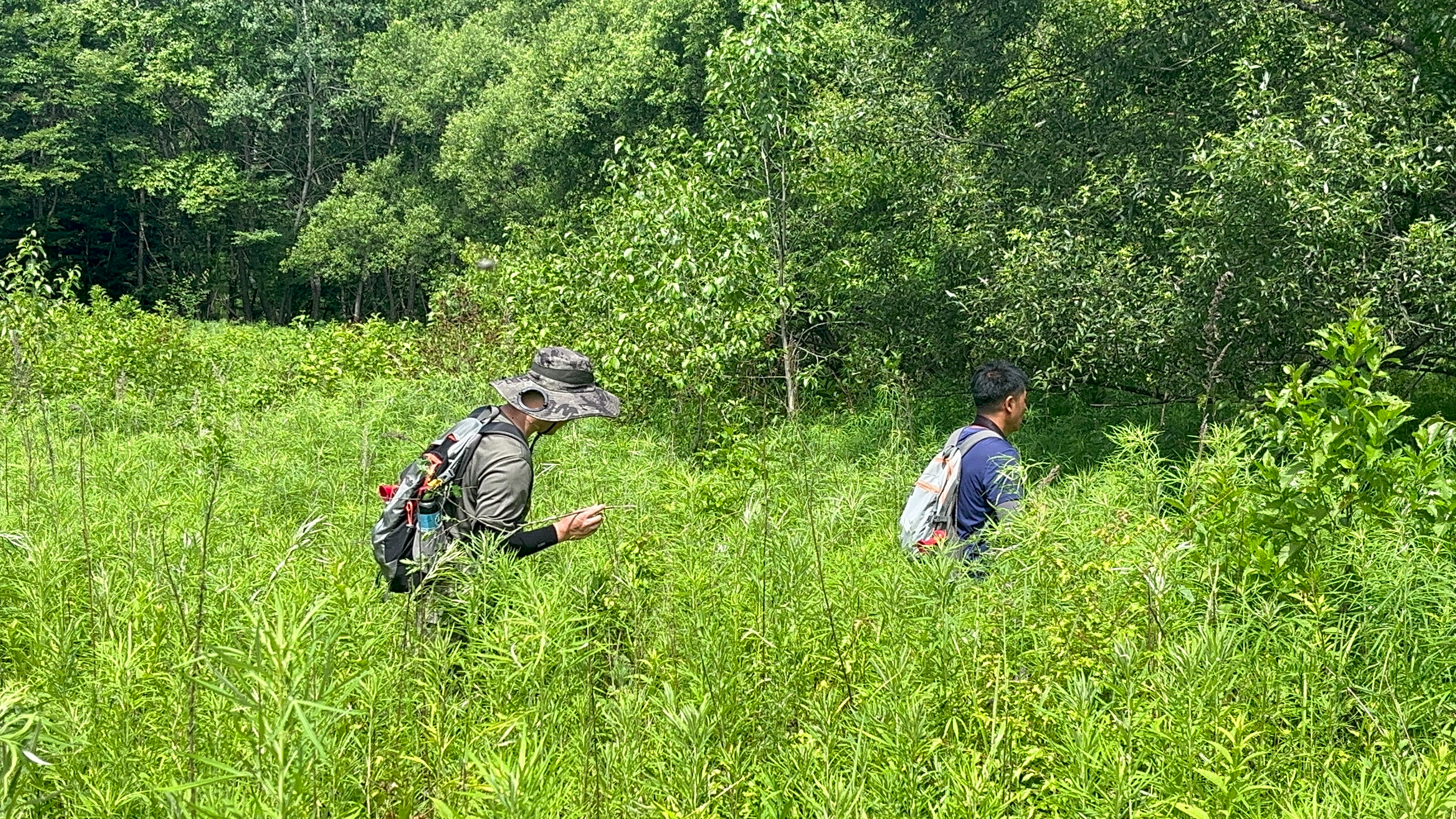
Core Viewpoint - The Northeast Tiger and Leopard National Park is transitioning from a pure conservation model to an "ecological feedback" model, promoting sustainable development through innovative practices that benefit local communities and the environment [4][12]. Group 1: Ecological and Economic Integration - The park has initiated a "three transformations" model to address challenges faced by traditional agriculture due to increasing wildlife populations, which have caused annual crop losses of 30% to 50% in Wangqing County since 2017 [6][7]. - The project has successfully converted agricultural waste into organic fertilizer, transformed wildlife-damaged farmland into medicinal herb bases, and shifted from individual farming to a collaborative model involving government, enterprises, and cooperatives [7][9]. - The new agricultural model has reduced pollution by 20% and increased per-acre income to 4 to 6 times that of traditional crops [7]. Group 2: Sustainable Development Mechanism - The park has established a "dual-chain guarantee" system that combines industrial and financial chains, creating a scale effect through "three-village joint construction" and introducing a guaranteed purchase mechanism for enterprises [9]. - A multi-source investment model has been developed, incorporating social donations, government support, and community shares, with 50% of profits reserved for reinvestment to ensure sustainability [9]. - The project has shown significant improvements in soil organic matter content, achieving both ecological and economic benefits [9]. Group 3: Innovative Compensation and Governance Models - The project has created three "firsts": a closed-loop design for industrial transformation within a national park, a quantifiable compensation mechanism for conservation outcomes, and a collaborative governance model involving enterprises, technology, and government [12]. - This approach transforms ecological constraints into development momentum, providing a replicable model for community development in global protected areas [12]. - The park aims to continue promoting traditional industry transformation projects, contributing to global ecological protection efforts with Chinese wisdom and solutions [12].