生态反哺

Search documents
人均增收5000元 农民乐享生态红利
Xin Lang Cai Jing· 2026-01-04 19:01
Core Viewpoint - The article highlights the successful ecological restoration and economic development in the Nugu State Gacha village of Tongliao City, showcasing how ecological initiatives have transformed the lives of local residents and created a sustainable model for future growth [1][2][3]. Group 1: Ecological Restoration - The ecological restoration project initiated in 2014 has significantly improved the living conditions of local farmers, with one family reporting an annual income exceeding 120,000 yuan due to various ecological and agricultural initiatives [1]. - The project has led to the establishment of a protective system combining trees, shrubs, and grasses, resulting in a 60% reduction in sandstorm occurrences and the effective protection of over 20 million acres of grassland and 15 million acres of arable land [3]. Group 2: Economic Development - The "ecological feedback" model allows local residents to participate in ecological construction while benefiting economically, creating a cycle where ecological restoration leads to increased income [2]. - By 2026, the expected annual production of economic forest products in Tongliao City is projected to exceed 250,000 tons, focusing on high-quality development of dry and fresh fruit economic forests [3]. Group 3: Community Impact - The transformation from a sand-affected area to a thriving community reflects the broader success of ecological initiatives in the Khorchin Sandy Land, with local families enjoying improved livelihoods and a clearer vision for future development [4].
首次售股全数捐赠,贝壳董事长用真金加码投入行业的明天
Sou Hu Cai Jing· 2025-12-11 13:00
Core Viewpoint - The stock sale by the CEO of Beike, which was fully donated to charity, signals a strong commitment to the housing service ecosystem and reflects a long-term value perspective in the industry [1][4]. Group 1: Donation Purpose and Impact - The donation is strategically directed towards two key groups: service providers in the housing sector and recent graduates entering the job market [2]. - The funds will support a healthcare safety net for service providers and provide rental subsidies for economically disadvantaged graduates, thereby fostering a healthier housing consumption market [3]. Group 2: Business Resilience and Market Confidence - Beike's Q3 2025 financial report shows a year-on-year revenue increase, with emerging businesses like home decoration and rental services achieving profitability before headquarters costs [4]. - The market has responded positively, with major investment banks maintaining "buy" ratings and significant inflows from southbound funds, indicating strong confidence in Beike's transformation and long-term value [4]. Group 3: Corporate Social Responsibility and Brand Value - The donation is part of Beike's broader "business for good" strategy, which integrates social responsibility into its operations [5][6]. - The CEO's ranking on the 2025 Hurun Charity List reflects the recognition of Beike's systematic approach to fulfilling social responsibilities, enhancing the company's brand values [6].
生态新方位丨“生态反哺”破题虎豹社区转型
Zhong Guo Zi Ran Zi Yuan Bao· 2025-07-30 06:27
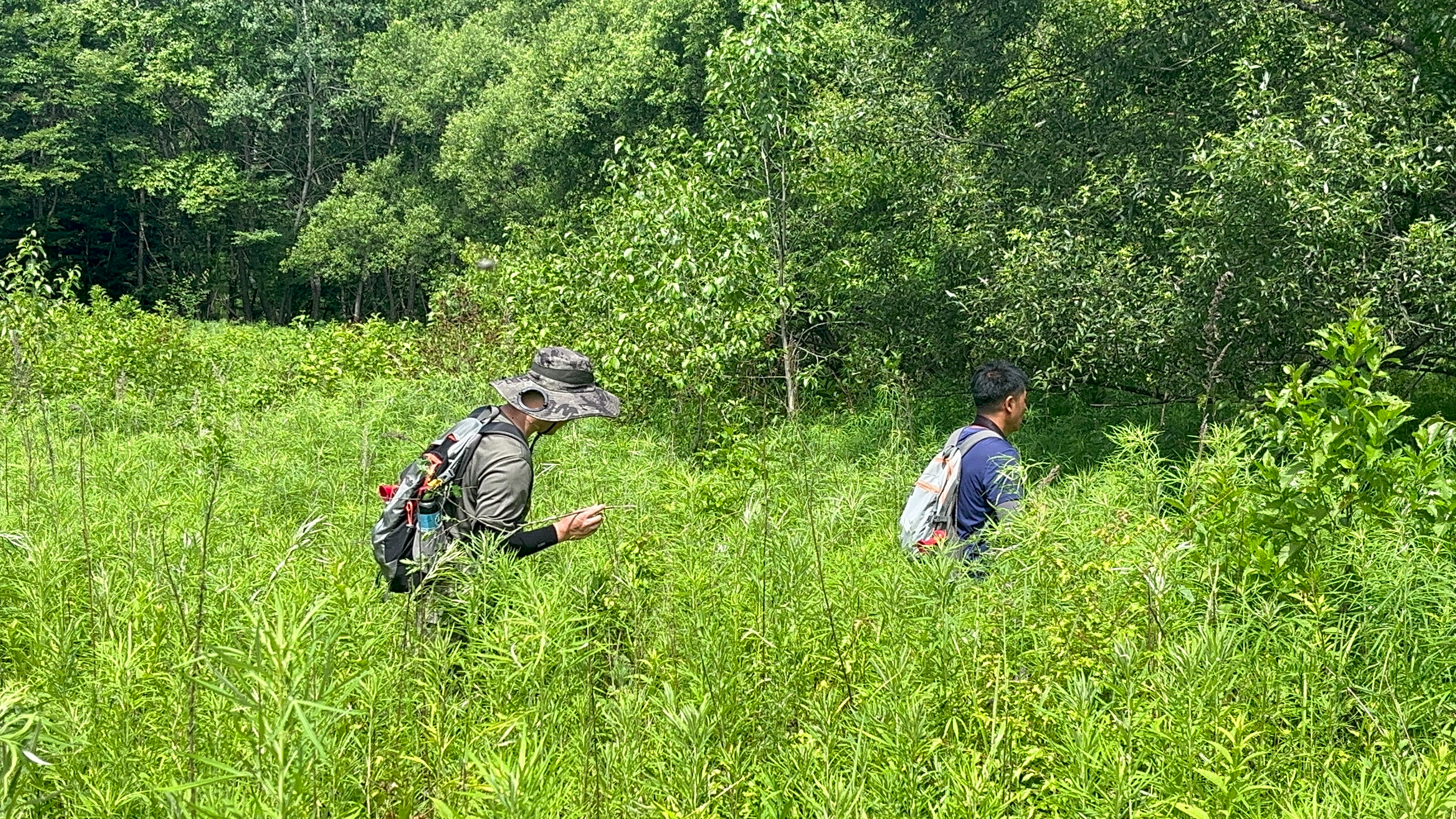
Core Viewpoint - The Northeast Tiger and Leopard National Park is transitioning from a pure conservation model to an "ecological feedback" model, promoting sustainable development through innovative practices that benefit local communities and the environment [4][12]. Group 1: Ecological and Economic Integration - The park has initiated a "three transformations" model to address challenges faced by traditional agriculture due to increasing wildlife populations, which have caused annual crop losses of 30% to 50% in Wangqing County since 2017 [6][7]. - The project has successfully converted agricultural waste into organic fertilizer, transformed wildlife-damaged farmland into medicinal herb bases, and shifted from individual farming to a collaborative model involving government, enterprises, and cooperatives [7][9]. - The new agricultural model has reduced pollution by 20% and increased per-acre income to 4 to 6 times that of traditional crops [7]. Group 2: Sustainable Development Mechanism - The park has established a "dual-chain guarantee" system that combines industrial and financial chains, creating a scale effect through "three-village joint construction" and introducing a guaranteed purchase mechanism for enterprises [9]. - A multi-source investment model has been developed, incorporating social donations, government support, and community shares, with 50% of profits reserved for reinvestment to ensure sustainability [9]. - The project has shown significant improvements in soil organic matter content, achieving both ecological and economic benefits [9]. Group 3: Innovative Compensation and Governance Models - The project has created three "firsts": a closed-loop design for industrial transformation within a national park, a quantifiable compensation mechanism for conservation outcomes, and a collaborative governance model involving enterprises, technology, and government [12]. - This approach transforms ecological constraints into development momentum, providing a replicable model for community development in global protected areas [12]. - The park aims to continue promoting traditional industry transformation projects, contributing to global ecological protection efforts with Chinese wisdom and solutions [12].