
广东早茶

Search documents
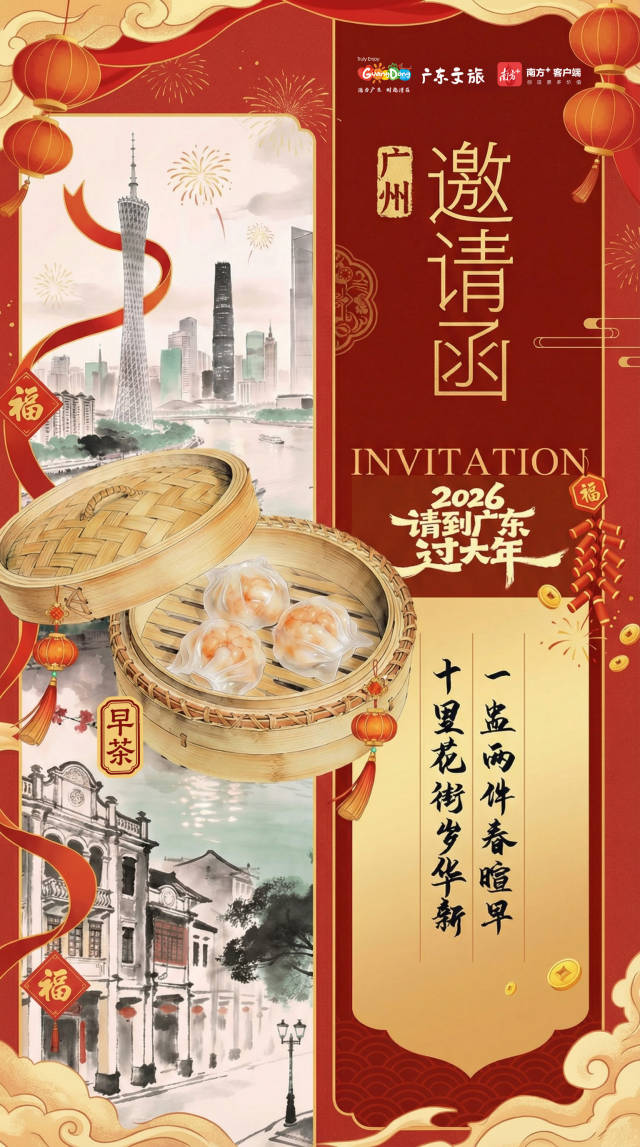
2026请到广东过大年,共赏21城21味
Xin Lang Cai Jing· 2026-02-11 13:35
Core Viewpoint - The article highlights the unique culinary traditions and flavors associated with the Lunar New Year celebrations across 21 cities in Guangdong, emphasizing the cultural significance and local specialties of each city [1][4][51]. Summary by Categories Culinary Highlights - Guangzhou's flavor is characterized by the delicate dim sum, particularly shrimp dumplings and siu mai, paired with fragrant tea [4]. - Shenzhen offers a refreshing taste with coconut chicken, reflecting the city's vibrant and diverse culture [7]. - Zhuhai is known for its tender golden pomfret, showcasing the city's seafood richness [9]. - Foshan features the crispy texture of Shunde fish sashimi, highlighting the region's culinary finesse [11]. - Huizhou presents a rich flavor with braised pork belly, embodying the essence of local cuisine [14]. - Dongguan's roasted goose is noted for its aromatic and rich taste [17]. - Zhongshan is recognized for its tender roasted pigeon, a staple of local festivities [19]. - Jiangmen's fragrant rice with eel captures the celebratory spirit of the New Year [22]. - Zhaoqing's bamboo fragrance banquet reflects the warmth of family reunions [24]. - Shantou offers a sweet ginger and ginkgo soup, symbolizing the season's sweetness [26]. - Chaozhou is known for its fresh blood clams, representing the region's seafood delicacies [29]. - Jieyang features abalone, showcasing the refined taste of local cuisine [31]. - Zhanjiang's fresh crab highlights the lively atmosphere of the coastal city [34]. - Maoming is noted for its tender mustard greens, adding freshness to the New Year table [36]. - Yangjiang's salted fish, marinated overnight, represents the traditional flavors of fishing communities [39]. - Yunfu's fish tofu reflects the simplicity and richness of local culinary traditions [42]. - Qingyuan's steamed osmanthus fish showcases the region's fresh ingredients [44]. - Heyuan's stuffed tofu represents the warmth of Hakka culture [46]. - Meizhou's salt-baked chicken embodies the essence of Hakka family gatherings [47]. - Shaoguan's spicy goose highlights the festive spirit of the New Year [49]. Cultural Significance - Each city's unique flavor is tied to its cultural identity, with food serving as a medium for expressing local traditions and familial bonds during the New Year celebrations [1][51].

“预制菜早茶”你能接受吗?这项立法或值得期待
Nan Fang Nong Cun Bao· 2025-05-19 09:00
Core Viewpoint - The Guangzhou Municipal People's Congress has included the "Guangzhou Early Tea Heritage Protection Regulations" as a legislative preparatory project for 2025, aiming to gather public opinions through a survey on the preservation and modernization of early tea culture [2][4][41]. Group 1: Legislative Intent - The legislation aims to address the cultural significance of early tea and its associated practices, ensuring that traditional skills and cultural rituals are preserved in modern society [37][39][43]. - The survey includes questions about what aspects of early tea culture should be protected and how to support its development, reflecting a proactive approach to public engagement [35][36]. Group 2: Public Opinion on Pre-prepared Tea Dishes - The rise of pre-prepared tea dishes has sparked debate among consumers, with many expressing skepticism about their authenticity and quality compared to freshly made items [22][24][27]. - Some consumers support the idea of pre-prepared tea dishes for standardization and scalability, provided that clear labeling of preparation methods is implemented [29][30]. - Concerns have been raised about the potential loss of traditional culinary skills if pre-prepared options replace handmade dishes, highlighting the need for a balance between innovation and tradition [28][32]. Group 3: Food Safety Concerns - The core issue surrounding pre-prepared dishes is food safety rather than the concept of pre-prepared food itself, emphasizing the importance of transparency in ingredient sourcing and preparation processes [30][31][33]. - Experts suggest that the quality of food is determined by human practices rather than the method of preparation, indicating that proper standards can ensure safety in pre-prepared options [32][33].
