影石Insta360

Search documents
太壕横!深圳企业年会大奖送百万豪车和房产
Nan Fang Du Shi Bao· 2026-02-11 15:24
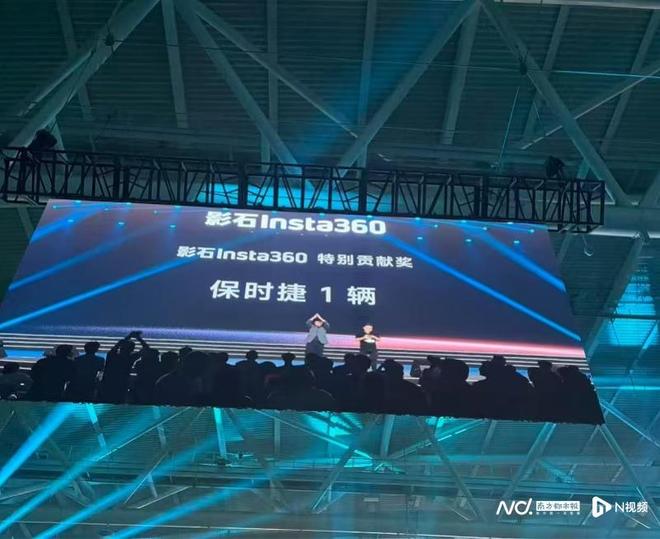
Group 1 - Insta360 held a year-end party in Shenzhen, offering prizes worth over 3 million, including a custom gold note and an iPhone 17 Pro [1][3] - The special contribution award at Insta360 includes a Porsche valued at 1.6 million, and the grand prize consists of three properties [3] - Over the years, Insta360 has given away 27 cars, totaling over 9 million in value [3] Group 2 - Tuozhu Technology's year-end bonus for 2025 is projected to increase by over 50% compared to 2024, with bonuses exceeding 2 million and a maximum of 25 months of salary [3][5] - Employees at Tuozhu have reported substantial prizes at their year-end event, including gold bars valued at over 100,000 [5] - Tencent's year-end bonuses are linked to performance, with top bonuses reaching 12-15 months of salary, while average monthly salaries exceed 93,000 [5] Group 3 - Huawei's year-end bonuses account for 30%-50% of annual salary, with lower-level employees eligible for up to 3 months of salary as bonuses [5] - DJI employees report a minimum year-end bonus equivalent to 3 months of salary [5]


影石创新:公司品牌“影石 Insta360”建立了良好的市场口碑
Zheng Quan Ri Bao Zhi Sheng· 2026-02-05 12:38
Core Insights - The company,影石创新, is focused on creating unique experiences and competitive advantages in niche scenarios within the smart imaging device sector [1] - The brand "影石Insta360" has established a strong market reputation due to innovative product design, advanced technology, and a wide range of product functionalities, leading to increased brand recognition and advantages in the industry [1] - The company's board will consider various factors such as industry characteristics, development stage, business model, profitability, and significant capital expenditure when making decisions regarding profit distribution, ensuring a balance between short-term interests and long-term development [1] Company and Industry Summary - The company possesses excellent product design and R&D capabilities, with multiple core technologies that have become a key competitive advantage [1] - The company emphasizes the importance of shareholder interests while making decisions related to profit distribution and will adhere to relevant disclosure obligations for any future plans [1]
大疆和影石斗法,但年轻人开始对运动相机“祛魅”?
3 6 Ke· 2026-01-12 09:19
Core Insights - The outdoor camera market is experiencing significant growth, particularly in 2025, with sales of action cameras reaching 4.76 million units, a year-on-year increase of over 252%, and sales revenue increasing by over 316% [2] - The popularity of outdoor cameras among young consumers is driven by their compactness, affordability, and social media appeal, leading to a trend where many own these devices [5][6] - DJI and Insta360 have emerged as the dominant players in the market, with DJI capturing 66% of the market share by Q3 2025, while Insta360 holds 13% and GoPro's share has decreased to 18% [6] Market Dynamics - The rise of outdoor cameras is linked to their association with social media and the "everyone is a content creator" phenomenon, making them a form of "social currency" [5][6] - The competitive landscape is intensifying, with DJI and Insta360 continuously adjusting their pricing and product offerings to capture market share, such as DJI's Osmo360 surpassing Insta360's X5 in sales shortly after launch [6][8] - New entrants, including brands like "光子跃迁" and major smartphone manufacturers, are expected to further disrupt the market by introducing new products [8] Consumer Sentiment - Despite the initial excitement, there is a growing sentiment among consumers that action cameras may not be as practical as anticipated, leading to a decline in enthusiasm [10][14] - Many users have reported issues with usability and functionality, such as difficulties in exporting videos and product quality concerns, which have led to a rise in "avoid" and "disappointment" posts on social media [10][11][14] - The emergence of a rental market for action cameras indicates a shift in consumer behavior, with many preferring to rent rather than buy, as it offers a more cost-effective solution for occasional use [14][16] Future Considerations - The industry faces the challenge of transforming action cameras from novelty items into essential tools for everyday use, requiring a deeper understanding of consumer needs and improvements in usability and integration [16]
【e公司观察】产业链 “二选一” 引发反垄断新难题
Zheng Quan Shi Bao Wang· 2025-12-18 01:04
Group 1 - The core conflict between YingShi Innovation and DJI highlights the issue of "exclusive selection" behavior in the technology industry, raising concerns about antitrust regulations in technology-intensive sectors [1][2] - YingShi Innovation's founder revealed that 33 key suppliers faced "exclusive" pressure, affecting various components such as optical lens modules, structural parts, screens, batteries, and electronic chips, with some suppliers halting cooperation despite having completed sample deliveries or chip designs [1] - The sales conflict is also intense, with reports of a shopping mall forcibly removing an "Insta360" sign and prohibiting YingShi from opening a brand store during DJI's leasing period [1] Group 2 - DJI, as a leader in the global consumer drone market, has established a "super vertical integration" supply chain management model, controlling core components through self-research or deep cooperation, which may create competitive advantages [2] - The practice of "exclusive selection" in the supply chain is unprecedented in China, although similar behaviors in sales channels have led to penalties for companies like Alibaba and Meituan [2] - The antitrust law prohibits the abuse of market dominance by imposing unreasonable trading conditions, but identifying "exclusive selection" in technology-intensive industries poses challenges for regulators [2] Group 3 - A potential solution to balance innovation protection and fair competition is "technical isolation," where suppliers establish independent technical teams and production lines for different clients to avoid core technology overlap [3] - The outcome of this dispute will determine the future of both companies and may set a new benchmark for competition boundaries in the technology industry [3] - Policymakers need to find a path that encourages innovation while ensuring fair competition, allowing commercial competition to focus on products and technology rather than resource blocking [3]
首店经济升温 为城市商业注入强劲活力
Sou Hu Cai Jing· 2025-08-22 10:43
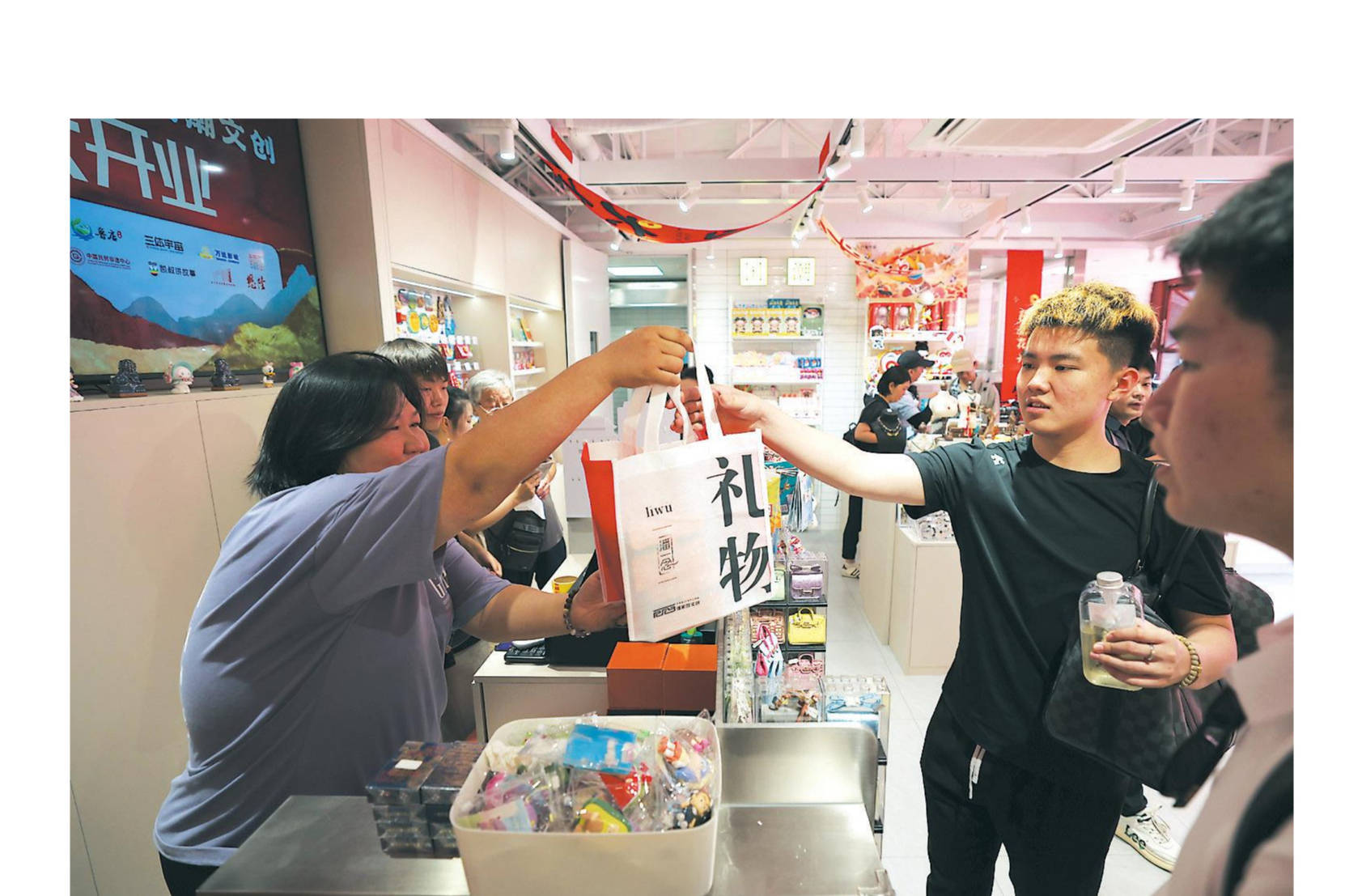
Core Insights - The "first store economy" is emerging as a significant force driving urban commercial vitality and innovation, with various cities implementing measures to encourage the establishment of first stores by domestic and international brands [1][3][10] Group 1: Economic Impact - The first store economy is contributing to the enhancement of urban commercial quality and accelerating the release of domestic demand potential [3][10] - In Beijing, the presence of over 100 first stores in the China World Mall has significantly boosted consumer traffic, with peak holiday footfall reaching tens of thousands [3][6] - In Shenzhen, the introduction of flagship and concept stores from international brands showcases the city's strong commercial innovation and consumer potential [4][10] Group 2: Market Trends - In the first half of this year, Nanjing opened over 200 first stores, with more than 43% being first stores in Jiangsu and above, indicating a trend of quality and diversity in new retail formats [5][10] - Dongguan also saw an active first store economy, with 76 new quality first stores opened, covering various sectors such as dining, retail, and entertainment [5][10] - The first store economy is attracting significant consumer traffic, with examples like the Shenzhen Dayuecheng recording over 420,000 visitors on its opening day [7][10] Group 3: Corporate Strategies - Several listed companies and leading brands are accelerating their first store strategies to stimulate new consumer momentum, such as the collaboration between Hangzhou's Jiebai Group and local museums for themed exhibitions [6][10] - The introduction of first stores by brands like Huaxizi and Atwell Hotel in Shanghai highlights the trend of leveraging first store effects to drive foot traffic and enhance consumer experience [6][10] Group 4: Policy Support - Cities like Shanghai and Shenzhen have introduced policies to support the first store economy, including financial incentives for brands and streamlined approval processes for new store openings [9][10] - The Shanghai "First Release 3.0" initiative aims to optimize import consumption processes and provide substantial rewards for high-level first stores [9][10] - Zhejiang Province's action plan aims to add over 2,000 new urban brand first stores by 2027, emphasizing the importance of financial support and infrastructure development for the first store economy [10]