悠蜜蓝莓酒

Search documents
低度酒品类狂欢下,却赚了个寂寞
3 6 Ke· 2025-12-30 04:00
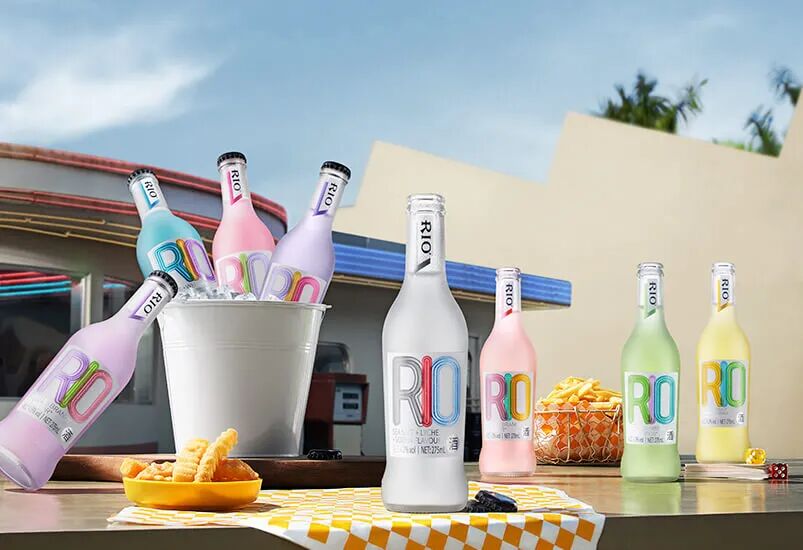
Core Insights - The low-alcohol beverage market in China has rapidly expanded, with market size projected to grow from 200 billion yuan in 2020 to over 570 billion yuan by 2024, and globally reaching 634.17 billion yuan in 2023, expected to exceed 740 billion yuan by 2025 [1][4][6] - The shift in consumer preferences from traditional high-alcohol beverages to low-alcohol options is driven by younger generations seeking healthier and more enjoyable drinking experiences [5][6][8] - The market is becoming increasingly competitive with new brands entering, including traditional liquor companies and retail chains launching their own low-alcohol products [5][9][12] Market Trends - The rise of low-alcohol beverages is characterized by a cultural shift from "drinking for social obligation" to "drinking for personal enjoyment," with 50% of consumption occurring at home and a 56% increase in outdoor activities like camping [5][6] - Young consumers aged 18-35 account for 68% of sales, with a significant portion being female [5][6] - Health concerns are a primary motivator for Gen Z consumers choosing low-alcohol options, as traditional high-alcohol spirits are viewed as outdated [6][8] Competitive Landscape - Established brands like RIO and emerging players such as Mei Jian and Bei Rui Tian Xin are competing for market share, with RIO facing challenges due to declining sales and brand fatigue [2][9][11] - Traditional liquor companies like Moutai and Wuliangye are diversifying into low-alcohol products, while retail chains like Hema and Haidilao are also launching their own offerings [5][9] - The market is characterized by a lack of standout brands, with many new entrants struggling to differentiate themselves in a crowded space [12] Consumer Behavior - Young consumers prefer low-alcohol products that are smooth and sweet, contrasting with the strong flavors of traditional spirits [8] - The use of social media has significantly increased the visibility and popularity of low-alcohol beverages, with discussions on platforms tripling in 2020 [4] - The trend towards low-alcohol beverages is not just a passing fad; it reflects a deeper cultural shift in drinking habits among younger generations [5][6]






从“喝醉”到“喝对”,酒业如何迎接“情绪驱动”的新消费时代?
Sou Hu Cai Jing· 2025-12-22 16:08
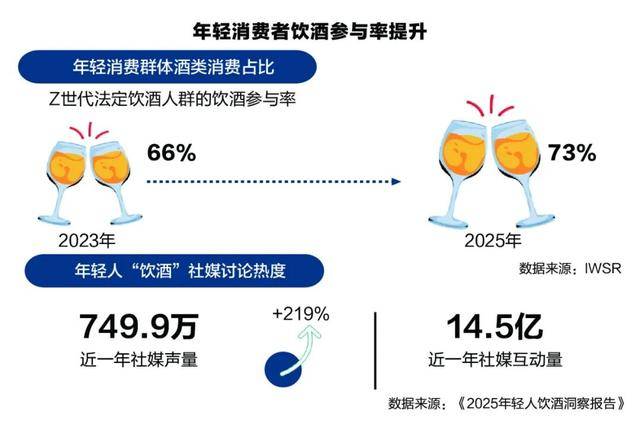
Core Insights - The report reveals a significant shift in the drinking habits of Generation Z, with the legal drinking participation rate increasing from 66% in 2023 to 73% in 2025, and social media discussions about alcohol growing over 200% year-on-year, with interactions exceeding 1.4 billion [1][3]. Group 1: Changing Drinking Culture - Young consumers are redefining alcohol consumption, focusing on emotional value rather than intoxication, making drinking a form of emotional expression [3][4]. - Social media platforms like Douyin and Xiaohongshu have become primary venues for discussing drinking culture, with terms like "happiness," "relaxation," and "self-affirmation" frequently associated with drinking [4][6]. Group 2: Consumption Scenarios - The report categorizes drinking scenarios into personal drinking, social gatherings, and business banquets, each with distinct demographics, motivations, and beverage choices [7]. - In personal drinking, individuals use alcohol for emotional management, with beer and wine being the most popular choices due to their accessibility [7]. - Social gatherings see a rise in "lightly tipsy" drinking as a means of self-healing, with a 197% increase in social media discussions, while health-conscious choices are becoming more prevalent [9]. Group 3: DIY and Health Trends - Over 60% of young people are interested in home-mixing cocktails, with a 175% increase in related social media discussions, indicating a trend towards democratized and personalized drinking experiences [10]. - The low-alcohol market is expected to reach 74 billion by 2025, with a compound annual growth rate of 25%, as traditional brands adapt to younger consumers' preferences for lower alcohol content [10][12]. Group 4: Emotional and Lifestyle Integration - The concept of "drunken wellness" is emerging, integrating alcohol into daily health practices, with new business models combining traditional medicine and drinking experiences [12]. - The shift towards emotional connection and experiential drinking signifies a transformation in the alcohol industry, where brands must understand and cater to the emotional needs of young consumers to succeed [13].