微醺文化

Search documents
低度酒品类狂欢下,却赚了个寂寞
3 6 Ke· 2025-12-30 04:00
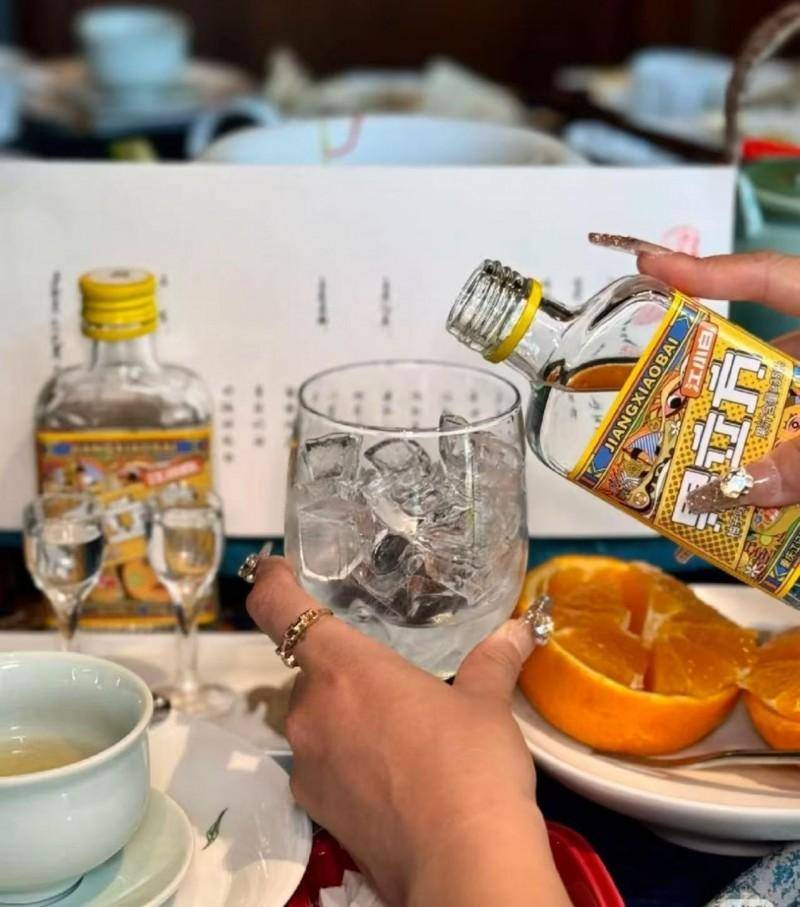
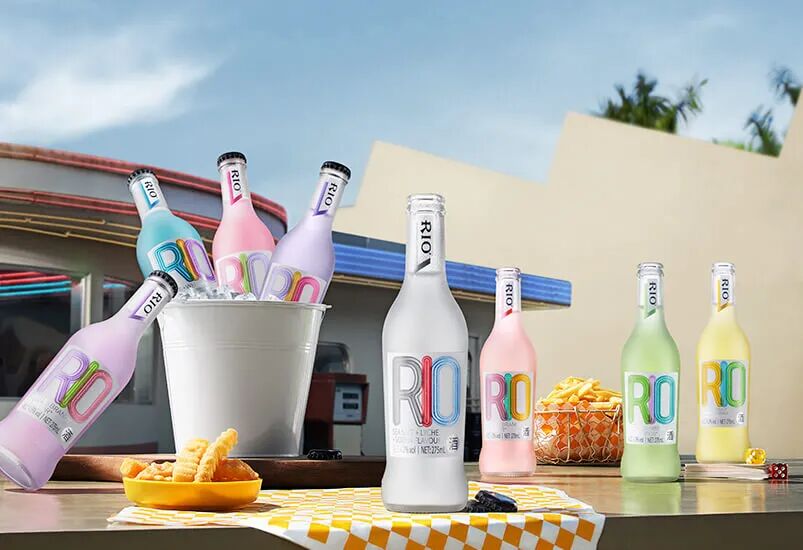
Core Insights - The low-alcohol beverage market in China has rapidly expanded, with market size projected to grow from 200 billion yuan in 2020 to over 570 billion yuan by 2024, and globally reaching 634.17 billion yuan in 2023, expected to exceed 740 billion yuan by 2025 [1][4][6] - The shift in consumer preferences from traditional high-alcohol beverages to low-alcohol options is driven by younger generations seeking healthier and more enjoyable drinking experiences [5][6][8] - The market is becoming increasingly competitive with new brands entering, including traditional liquor companies and retail chains launching their own low-alcohol products [5][9][12] Market Trends - The rise of low-alcohol beverages is characterized by a cultural shift from "drinking for social obligation" to "drinking for personal enjoyment," with 50% of consumption occurring at home and a 56% increase in outdoor activities like camping [5][6] - Young consumers aged 18-35 account for 68% of sales, with a significant portion being female [5][6] - Health concerns are a primary motivator for Gen Z consumers choosing low-alcohol options, as traditional high-alcohol spirits are viewed as outdated [6][8] Competitive Landscape - Established brands like RIO and emerging players such as Mei Jian and Bei Rui Tian Xin are competing for market share, with RIO facing challenges due to declining sales and brand fatigue [2][9][11] - Traditional liquor companies like Moutai and Wuliangye are diversifying into low-alcohol products, while retail chains like Hema and Haidilao are also launching their own offerings [5][9] - The market is characterized by a lack of standout brands, with many new entrants struggling to differentiate themselves in a crowded space [12] Consumer Behavior - Young consumers prefer low-alcohol products that are smooth and sweet, contrasting with the strong flavors of traditional spirits [8] - The use of social media has significantly increased the visibility and popularity of low-alcohol beverages, with discussions on platforms tripling in 2020 [4] - The trend towards low-alcohol beverages is not just a passing fad; it reflects a deeper cultural shift in drinking habits among younger generations [5][6]






中粮名庄荟秋糖多维焕新,引领全渠道美酒沉浸式体验风潮
Sou Hu Wang· 2025-10-18 12:04
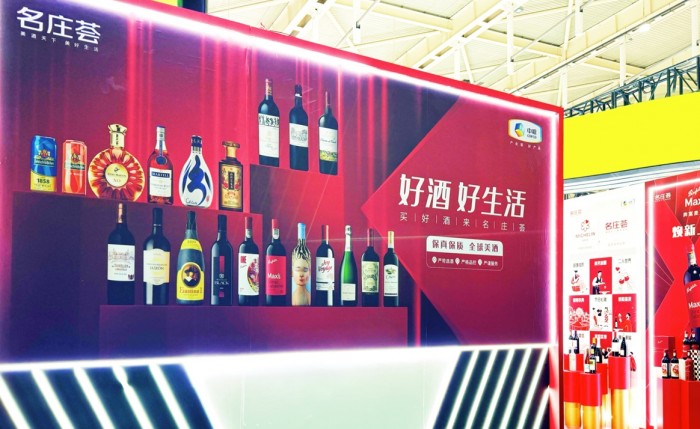
Core Insights - The 113th National Sugar and Wine Products Trade Fair will be held from October 16 to 18, 2025, at the Nanjing International Expo Center, where COFCO Mingzhuanghui will showcase its "Omni-channel Immersive Wine Experience" theme [1] Group 1: Innovative Retail Models - COFCO Mingzhuanghui introduced the "Mingzhuanghui·V Wine Library" instant retail model, which features a "city-level dense layout" strategy by establishing experience stores in key urban areas to address consumer concerns about online wine purchasing [3] - The model integrates major instant retail platforms such as Meituan Flash Purchase, JD Instant Delivery, and Taobao Flash Purchase, providing a full-service experience from online selection to offline tasting and minute-level delivery [3][5] Group 2: Addressing Market Challenges - Traditional wine retail has faced challenges such as low channel efficiency and fragmented consumption scenarios, particularly with the rise of younger consumers demanding "instant access" [5] - The "Mingzhuanghui·V Wine Library" leverages COFCO Group's supply chain advantages and state-owned enterprise credibility to build trust, enhance service efficiency, and address the market gap in high-end wine authenticity and delivery speed [5][11] Group 3: Franchise Support Initiatives - COFCO Mingzhuanghui launched the "Large Platform Franchise Co-creation Plan," which is seen as a response to the "heavy recruitment, light operation" phenomenon in the wine franchise industry [7] - This plan includes "six major supports" covering critical aspects from site selection to opening preparations, and "eight major empowerments" focusing on ongoing operations and profitability enhancement for franchisees [7] Group 4: Product Launch and Consumer Engagement - The company unveiled the "Global Selection" series, featuring the New Zealand Cloudy Bay Sauvignon Blanc, which aligns with current trends in "light socializing" and "slight intoxication" [9] - To enhance audience interaction, the exhibition included various promotional activities, such as content creation incentives on Xiaohongshu and prize draws, effectively increasing brand visibility among end consumers [9] Group 5: Strategic Industry Response - The initiatives at the Autumn Sugar Conference represent a deep response to traditional growth models in the wine industry, aiming to create a new ecosystem that is closer to consumers, more responsive, and mutually beneficial [11] - The exploration of integrating state-owned enterprise supply chain advantages with fragmented market demands presents a viable path for high-quality development during industry fluctuations [11]
清醒社交、微醺悦己……今天的年轻人,有他们自己的喝酒需求
Sou Hu Cai Jing· 2025-06-04 12:16
Core Insights - The article highlights a significant shift in drinking culture among young consumers, moving from traditional drinking practices to a more casual and self-pleasing approach [1][2][4] Group 1: Changing Drinking Culture - Young consumers are redefining drinking habits, favoring "micro-drunk culture" over traditional heavy drinking [2][4] - The sales proportion of beer has increased from 1%-5% to 20%-30% in certain retail environments, indicating a shift towards lighter alcoholic beverages [2][4] - Young drinkers prefer to enjoy alcohol in casual settings, such as dinners, movies, or even alone, rather than for social obligations [2][4] Group 2: Social Dynamics - Alcohol is now seen as a medium for sharing experiences rather than a tool for business or social obligation [4][11] - Young consumers are willing to pay for unique and quality alcoholic beverages, reshaping market dynamics [4][11] Group 3: Instant Retail Solutions - Instant retail platforms like Meituan Flash Purchase are addressing the demand for immediate access to alcohol, with delivery times as short as 30 minutes [6][7] - Many alcohol brands are seeing over 50% of their sales coming from online channels, with some adopting a "pure takeaway warehouse" model to reduce costs [7][11] Group 4: Evolving Consumption Scenarios - Traditional high-end liquor is still relevant but is now consumed in more casual settings, such as home gatherings or hotel takeout [8][9] - The demand for lower-priced liquor has surged, particularly in the under 400 yuan category, as consumers prepare for weekend gatherings [8][9] Group 5: Market Opportunities - The 618 shopping festival has transformed from a challenging period for offline liquor retailers to a significant opportunity, with Meituan Flash Purchase reporting a 70-fold increase in white liquor sales [9][11] - Brands that understand and adapt to the preferences of young consumers are positioned to thrive in this evolving market [11]