意大利起泡酒

Search documents
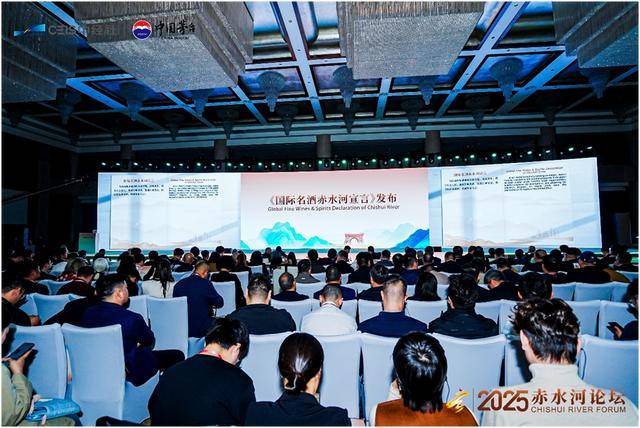
赤水河宣言发布 全球酒业加快进入新纪元
Sou Hu Cai Jing· 2025-10-28 08:22
Core Insights - The global alcoholic beverage market is undergoing significant structural adjustments driven by changes in consumer habits, technological innovations, and cultural awakenings, marking a historical turning point for the industry [3] - In China, the production of baijiu is declining, leading the industry to shift from "volume and price increase" to "quality improvement and efficiency enhancement" [3] - The rise of younger consumer groups is accelerating the transformation of the alcohol industry, with the "Z generation" distancing themselves from traditional drinking culture, necessitating a redefinition of value propositions [3][4] Industry Trends - Italian sparkling wine is experiencing growth, with exports expected to increase by 12% in 2024, while China's imports of sparkling wine grew by 18.81% from January to May 2025 [3] - The quality expression of alcoholic beverages needs to be restructured, moving from traditional social consumption to more personalized and diverse consumption scenarios [4] - Digital technologies are being integrated into the production process, enhancing quality control and creating new consumer experiences through innovations like blockchain and 3D printing [5] Company Strategies - Moutai Group emphasizes an open approach to global engagement, with products sold in 64 countries and regions, aiming to enhance international presence and cultural exchange [6] - Moutai's overseas sales revenue reached 5.189 billion yuan in 2024, marking a 19.27% year-on-year increase, indicating strong international demand [7] - Companies are shifting focus from channel competition to deep user engagement, creating new paradigms in the "experience economy" to meet high-end consumer demands [7]


意大利起泡酒崛起,冲击法国传统香槟市场
Huan Qiu Shi Bao· 2025-10-12 22:46
Core Insights - Italian sparkling wine production has nearly doubled compared to 20 years ago, significantly impacting the traditional champagne market in France [1] - The global wine market remains sluggish, but sparkling wine, particularly Prosecco from Italy, is gaining popularity [1] - Italy is the leading producer of sparkling wine, accounting for one-third of the global market share, with a projected 12% increase in export volume in 2024 [1] Industry Trends - The share of sparkling wine in traditional wine regions like Bordeaux is rapidly increasing, with sparkling wine production now exceeding half of the total output in the region [1] - Italian sparkling wine producers are targeting the price range of €9 to €15, which has been abandoned by champagne producers, and are actively expanding exports to the UK and US [1] - The taste of sparkling wine has gained widespread acceptance among younger consumers, contributing to its rising popularity [1] Market Challenges - The French champagne industry is experiencing a decline in both production and sales, leading to concerns from the Champagne Producers Association regarding the impact of trade protectionism and competition from sparkling wines [1]
从鱼腥味到美酒香:熊金的商业仁学之路》——记万酒城创始人熊金的共享经济实践
Sou Hu Cai Jing· 2025-08-28 11:46
Core Insights - The article narrates the entrepreneurial journey of Xiong Jin, who transformed from a struggling youth to the founder of a billion-dollar wine business, emphasizing the importance of integrity and supply chain efficiency in his success [1][3][10]. Company Overview - Xiong Jin founded a small factory at the age of 24 and later expanded into a chain of supermarkets in Shandong, eventually pivoting to the wine industry in Shenzhen with a focus on honesty and direct sourcing [1][5]. - The company, Yifeng Wine Industry, has developed a "shared winery" model, allowing individuals to become "winery owners" and participate in profit-sharing [7][14]. Business Model - The "万酒城" (Ten Thousand Wine City) operates on a zero-deposit franchise model, attracting various entrepreneurs, including those from failing businesses, by offering them a chance to pivot into the wine industry [7][14]. - The company has implemented a global direct sourcing system that reduces product circulation costs by 70% compared to traditional marketing channels, significantly lowering prices for consumers [10][14]. Community Engagement - Xiong Jin has established an "emergency fund" system for winery owners facing significant health issues, showcasing a commitment to community welfare [9]. - The company has also initiated a "disaster wine buyback" program, providing financial support to affected winery owners during natural disasters, further enhancing its community-oriented image [9]. Financial Performance - By 2023, the company had expanded to 97 stores with an annual revenue exceeding 1 billion yuan, demonstrating rapid growth and market penetration [3][7]. - The innovative pricing strategy has led to a 17-fold increase in sales for certain products, indicating strong consumer demand and effective market positioning [10]. Customer Experience - The company emphasizes transparency and fairness in pricing, with a commitment to not inflate original prices or impose sales conditions, which has resonated well with consumers [14]. - Customer testimonials highlight the financial benefits of participating in the shared winery model, with individuals reporting significant income increases and improved financial stability [14].