技能捕捉手套

Search documents
2位华人学霸造的家务机器人火了!14万带回家,手把手教它干活,要解放你的周末
机器人大讲堂· 2025-11-23 06:47
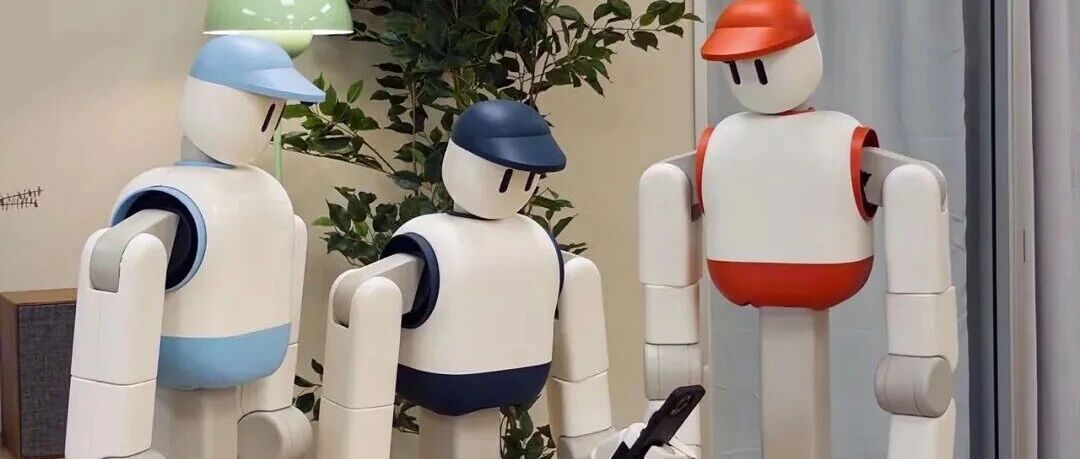
Core Viewpoint - The article introduces Memo, a household robot developed by a team of Chinese PhD graduates from Stanford, which is capable of performing various household chores and is set to officially launch in 2026 [2][40]. Group 1: Product Features - Memo can perform tasks such as clearing the dining table, washing dishes, folding clothes, and brewing coffee [3][7]. - The robot stands 1.7 meters tall and weighs approximately 77 kilograms, featuring a wheeled mobile base and a vertical reach of up to 2.1 meters [9]. - It is designed with a soft silicone exterior, ensuring a friendly and approachable appearance [10]. Group 2: Training and Data Collection - The team has developed a unique method for training the robot using "skill capture gloves," allowing ordinary users to teach Memo by wearing these gloves [11][14]. - Each user can become a "memory developer," contributing valuable training data while performing daily household tasks [15]. - The system has achieved a 90% success rate in adjusting and calibrating parameters to account for differences between human and robotic movements [17][18]. Group 3: Advanced Technology - The ACT-1 model, specifically designed for Memo, combines long-term operation with map-based navigation, allowing the robot to execute complex tasks autonomously [19][21]. - In a demonstration, Memo successfully navigated 40 meters and interacted with 21 different objects, performing 33 distinct operations [22]. - The robot can adapt to unfamiliar environments by interpreting 3D maps, enabling it to plan routes effectively [24]. Group 4: Team Background - Memo is developed by Sunday Robotics, founded by Tony Zhao and Cheng Chi, who have extensive backgrounds in robotics and artificial intelligence [30][32][36]. - The team has grown to around 30 members, covering a complete technical stack from software to hardware [30]. Group 5: Future Plans - Memo is currently in the testing phase, with prototype costs ranging from $6,000 to $20,000, and plans to reduce costs by at least 50% in the future [40]. - The overarching goal of Memo is to free up weekends for users, allowing them more time for family and hobbies instead of household chores [42].

14万,家务机器人带回家!斯坦福华人博士具身创业首款产品亮相
量子位· 2025-11-20 16:01
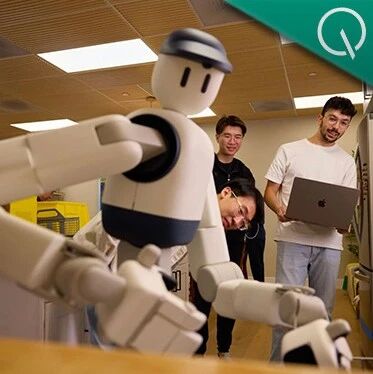
Core Viewpoint - The article introduces Memo, a household robot developed by Stanford alumni, highlighting its capabilities in performing various domestic tasks and its innovative underlying technology [8][60]. Group 1: Product Features - Memo is designed with a visually appealing aesthetic, featuring a cartoonish face and a baseball cap, and is capable of performing tasks such as loading dishes into a dishwasher and folding socks [3][4][10]. - The robot stands 1.7 meters tall, weighs approximately 77.1 kilograms, and has multiple degrees of freedom in its limbs, allowing for versatile movement [43][45]. - Memo operates at a speed comparable to human walking, with an average speed of 1 meter per second, and can run for 4 hours on a full charge [55][56]. Group 2: Technology and Innovation - The core technology behind Memo is the ACT-1 model, which integrates long-sequence control and map-based navigation, enabling it to perform tasks in unfamiliar environments [20][21]. - ACT-1 relies on human data for training, utilizing a unique data collection hardware called skill capture gloves, which significantly reduces the cost of traditional data collection methods [29][31][36]. - The robot can learn new skills from users, allowing for personalized training and adaptation to individual household needs [41][42]. Group 3: Development and Future Plans - Memo is currently in the testing phase, with an expected official launch in 2026 [59]. - The founding team, consisting of Tony Zhao and Cheng Chi, aims to create a friendly, safe, and affordable robot that integrates hardware, data, and algorithms into a complete technology stack [60].
14万一台家务机器人!斯坦福华人博士具身创业首款产品亮相,用户还能买回去自己教
量子位· 2025-11-20 09:01
Core Viewpoint - The article introduces Memo, a household robot developed by Stanford alumni, highlighting its capabilities in performing various domestic tasks and its innovative underlying technology [8][60]. Group 1: Product Features - Memo features a visually appealing design with a baseball cap and a white-orange color scheme, and it is capable of performing tasks such as loading dishes into a dishwasher, folding socks, and making coffee [3][4][10]. - The robot stands 1.7 meters tall, weighs 170 pounds (approximately 77.1 kg), and has a reach of 0.8 meters, with a vertical lift capability of up to 2.1 meters [43]. - Memo operates with a speed comparable to human walking, averaging 1 meter per second, and can run for 4 hours on a full charge, which takes about 1 hour [55][56]. Group 2: Technology and Innovation - The core technology behind Memo is the ACT-1 model, which integrates long-term control and map-based navigation, allowing it to perform tasks in unfamiliar environments [20][21]. - ACT-1 relies entirely on human data for training, utilizing a unique data collection hardware called skill capture gloves, which significantly reduces the cost of traditional data collection methods [29][31][36]. - The robot can learn new skills from users, enabling them to teach Memo tasks directly, which enhances its adaptability and functionality [41][42]. Group 3: Development and Future Plans - Memo is currently in the testing phase, with an expected official launch in 2026 [59]. - The founding team, consisting of Tony Zhao and Cheng Chi, aims to create a friendly, safe, practical, and affordable autonomous robot by integrating hardware, data, and algorithms [60].